What Activity Books Are and How to Choose the Right Format
Disclosure: This page contains affiliate links. If you buy through them, PrintableBloom may earn a small commission, at no extra cost to you.
Printable kids learning games are often the first solution people look for when they want something meaningful for a child to do without a screen.
You want learning — but not pressure. Structure — but not boredom. Something engaging — without turning it into “school at home.”
This is exactly where printable kids learning games come in.
They sit right between play and learning, offering children a clear structure while still leaving space for curiosity, independence, and calm focus.
This guide is designed as a pillar resource. It doesn’t push a specific age, trend, or product. Instead, it helps you understand what activity books really are, how they differ from worksheets, what formats exist, and how to choose what truly fits your needs — whether you’re a parent, educator, homeschool family, or creator of learning materials.
What Is an Activity Book?
An activity book is a collection of connected learning activities designed to be explored as a whole rather than completed page by page in isolation.
Unlike single worksheets, activity books create a sense of flow. Each page builds on the previous one through a shared theme, skill set, or learning goal. This structure helps children stay engaged longer and feel confident as they move forward.
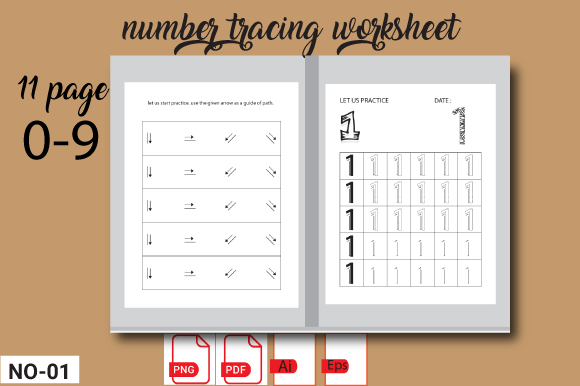
In the world of kids learning games printable, activity books often combine puzzles, matching games, tracing, logic tasks, coloring, and early academic concepts into one cohesive experience. They are meant to guide, not rush — and to support learning through repetition and play.
Activity Books vs. Worksheets: Understanding the Difference
Worksheets and activity books serve different purposes, and neither is “better” — they simply work differently.
Worksheets focus on a single task or skill. They’re great for quick practice, review, or assessment.
Activity books focus on experience. They offer variety, progression, and context, helping children stay motivated without feeling overwhelmed.
This is why many families and educators lean toward educational games for kids printable when they want deeper engagement, especially during independent or quiet learning time.
Think of it this way:
- Worksheets support practice
- Activity books support learning flow and confidence
Types of Printable Learning Games for Kids
Printable learning games come in different formats. Each format supports learning in its own way — depending on how much structure, interaction, and independence you want to offer.
Use this overview to explore the main types of printable learning games and choose the format that fits your learning flow best.
Matching Games
Matching games help build visual recognition, focus, and early logic skills through simple, calm interaction.
→ Matching Games for Kids
Memory Games
Memory-based learning games support concentration, recall, and pattern recognition through repetition and play.
→ Memory Games for Kids
Cut & Paste Games
Cut & paste learning games combine hands-on movement with cognitive tasks, supporting fine motor skills alongside learning.
→ Cut & Paste Learning Games
Board Games
Printable board games turn learning into a shared, low-pressure experience that works well for review and cooperative play.
→ Board Games for Kids (Printable)
Math Games
Math learning games use visual tools and playful mechanics to make numbers feel clearer and more approachable.
→ Math Learning Games
Types of Activity Books and Printable Learning Game Formats
Printable learning materials come in many formats. Understanding these formats helps you choose what works best for your space, schedule, and learning goals.
Math and Logic Activity Games
Math-focused activity games use visual tools and playful mechanics to make numbers approachable.
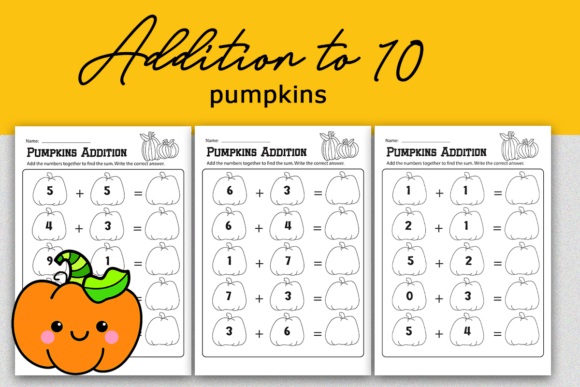
Pumpkins Kindergarten Addition to 10
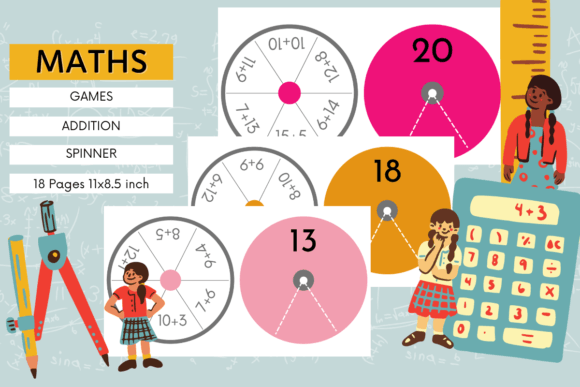
Printable Math Games – Addition Spinner
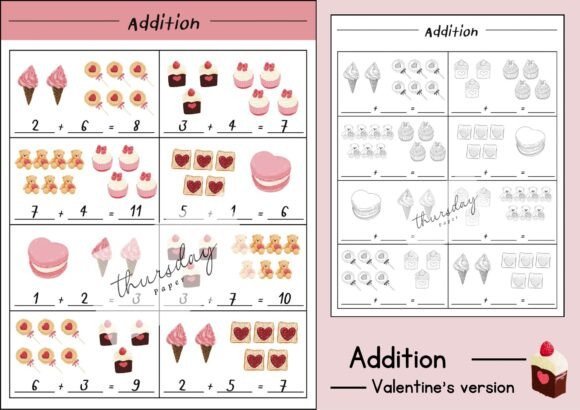
Valentine Addition Worksheet for Kids
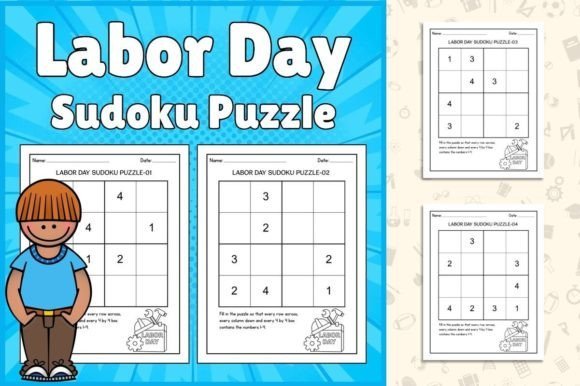
Labor Day Sudoku Puzzle Book for Kids
Language, Letters, and Early Literacy Games
These formats support letter recognition, vocabulary, and communication skills through repetition and visuals.
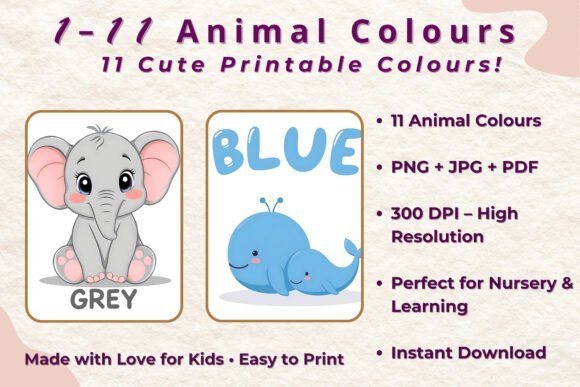
Learn Colors with Cute Animals
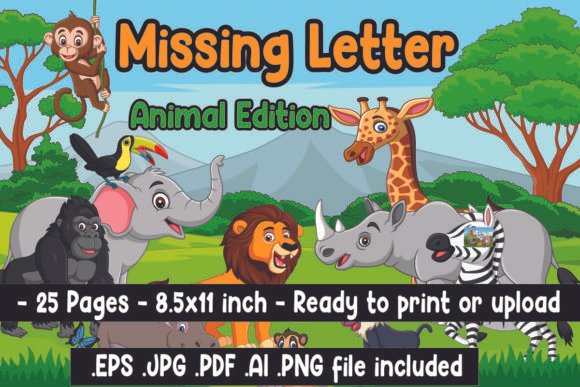
Missing Letter – Animal Edition
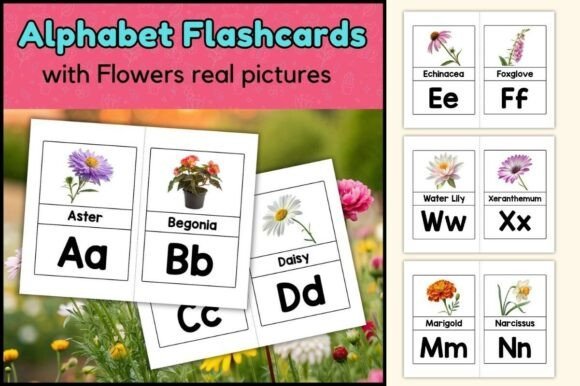
Alphabet Flower Flashcards with Real Photos
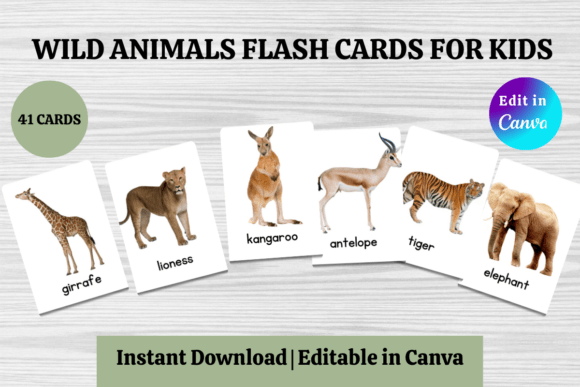
Wild Animals Flash Cards for Kids
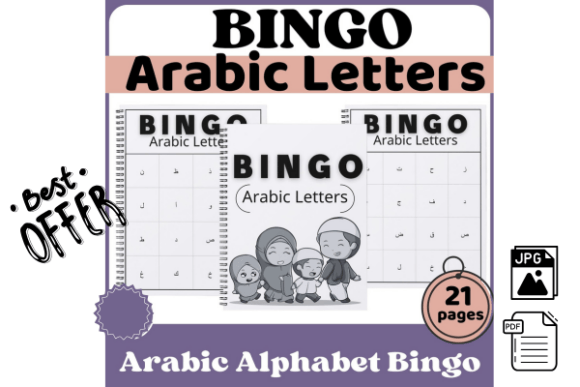
Bingo, Puzzles, and Interactive Learning Games
These activities work especially well for group learning or playful review.
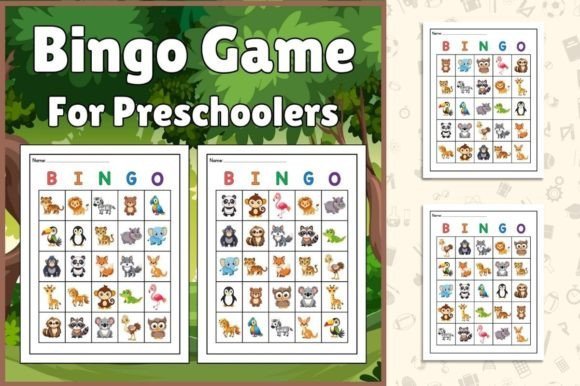
Zoo Animal Bingo Game for Preschool Kids
Themed Activity Books and Learning Sets
These formats feel closest to traditional activity books, offering variety within a single theme.
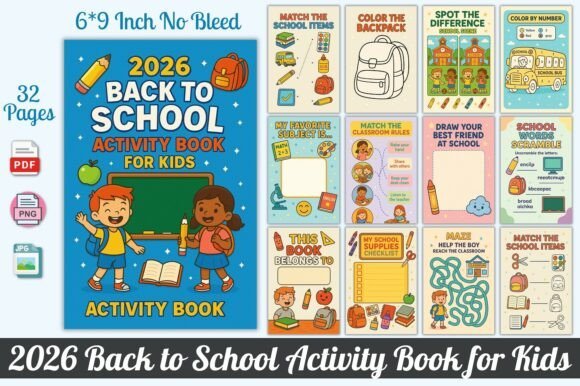
2026 Back to School Activity Book for Kids
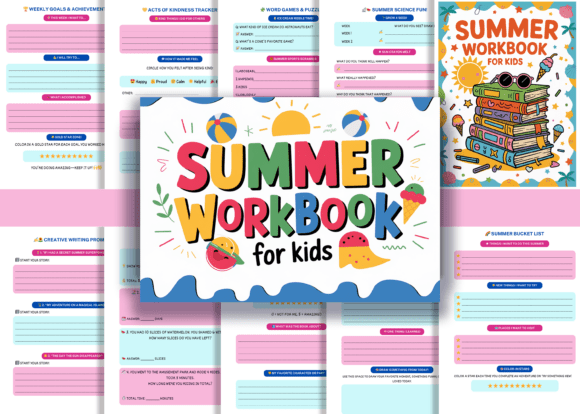
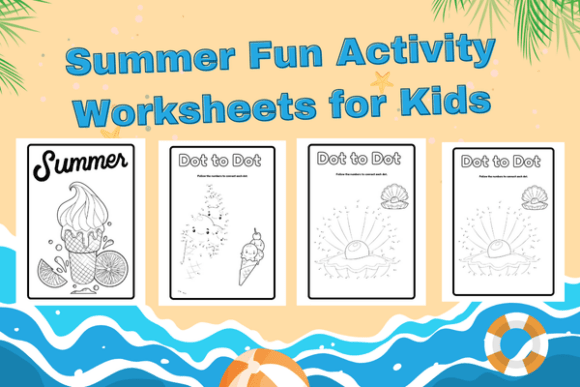
Summer Fun Activity Worksheets for Kids
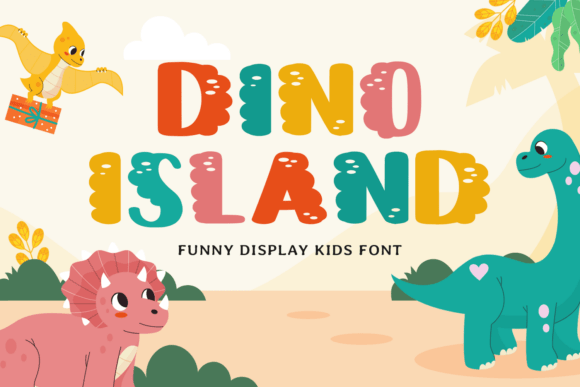
Dino Island Learning Activities
Visual Learning and Skill-Building Tools
These resources support focus, reasoning, and communication through visuals.
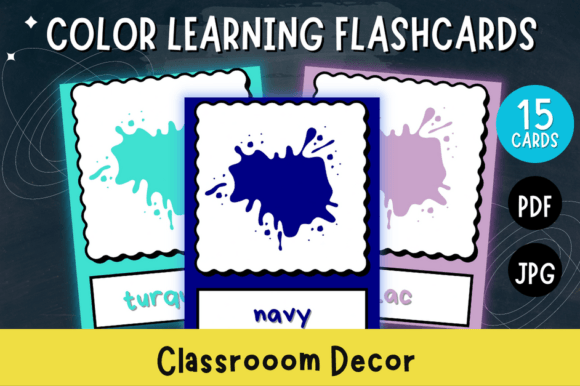
Printable Color Learning Flashcards
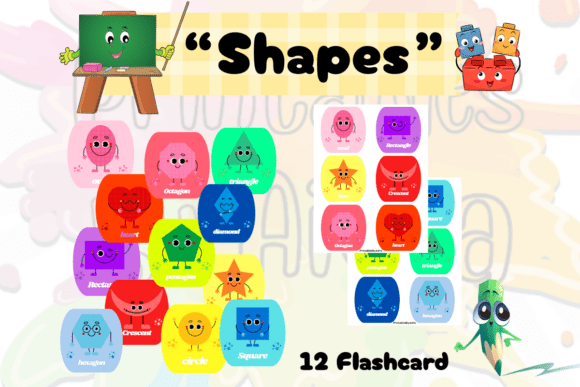
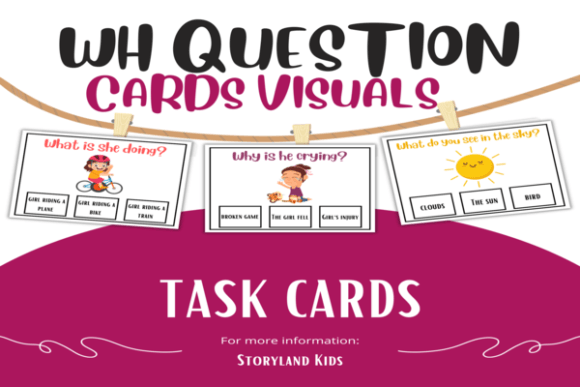
WH Question Cards – Visual Speech Support
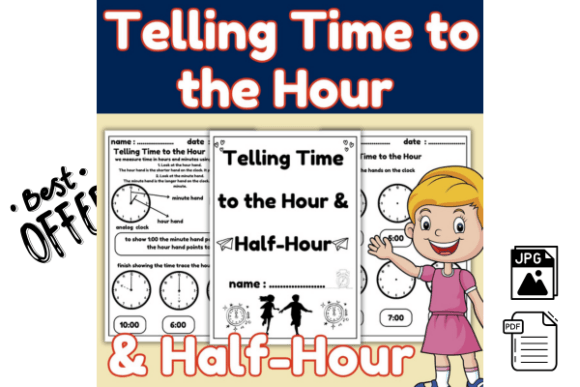
Telling Time to the Hour and Half Hour
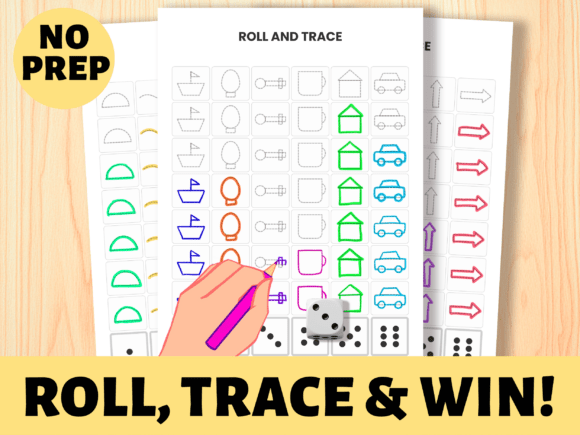
Movement and Active Learning Games
Some children learn best through movement and hands-on tasks.
Roll and Trace Race Game Printable
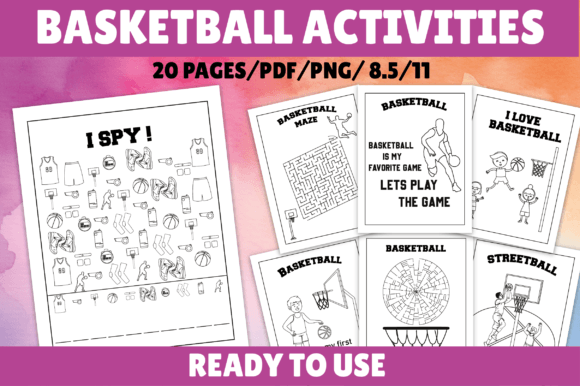
Geography and Nature-Based Learning
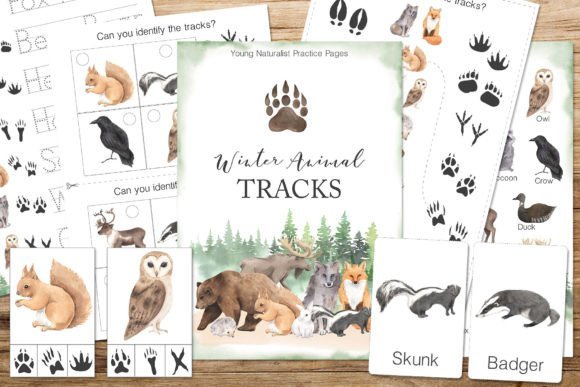
These formats connect learning to the world around us.
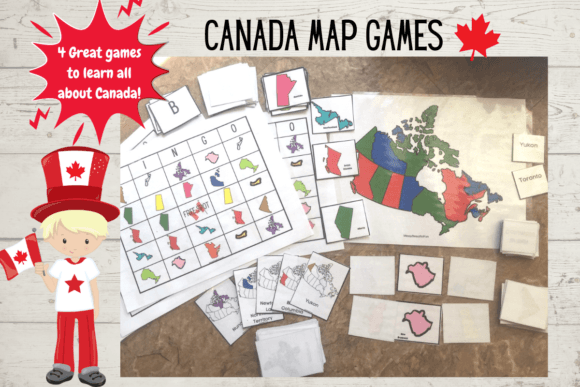
Winter Animal Tracks Unit Study
How to Choose the Right Activity Book Format
Instead of focusing on age labels, consider how and where the activity will be used.
Ask yourself:
- Is this for quiet independent time or shared learning?
- Does the child enjoy puzzles, movement, or visuals?
- Is the goal practice, exploration, or calm focus?
Some readers look for activity books in different ways. You may want to explore:
- Preschool Activity Books
- Kindergarten Activity Books
- Learning Activity Books for Kids
- Quiet Activity Books for Kids
Each of these paths reflects a different need — not a strict age rule.
Final Thoughts
Activity books are not about doing more. They’re about choosing formats that respect a child’s rhythm and support learning naturally.
Printable learning games offer flexibility, clarity, and calm — whether they’re used at home, in a classroom, or as part of a homeschool routine.
If you’d like to explore more formats and ideas, feel free to browse this collection:
Open & enjoy → my favorite collection
Save this guide on Pinterest, return whenever you need inspiration, and explore what fits your learning flow best.