Behavior & Emotion Worksheets for Kids: Calm, Supportive Learning Tools
Disclosure: This page contains affiliate links. If you buy through them, PrintableBloom may earn a small commission, at no extra cost to you.
Behavior and emotion worksheets for kids are often chosen when learning needs to feel calmer, clearer, and more emotionally supportive. Instead of relying on repeated reminders or verbal explanations, these visual tools help children understand expectations, recognize emotions, and practice positive behavior in a steady, reassuring way.
When thoughtfully designed, behavior and emotion tools become part of everyday routines rather than something used only during difficult moments. Visual structure, gentle repetition, and clear emotional language help learning environments feel predictable and safe. This makes it easier to focus, transition between activities, and build emotional awareness without pressure.
For a deeper look at tools that support consistency and encouragement, this guide to positive behavior printables for kids explores how visual structure can reinforce calm routines.
Below is a curated overview of behavior and emotion worksheets, activities, and printables that support calm learning rhythms at home, in classrooms, and across homeschool settings. This guide introduces the most commonly used types — with deeper exploration available in supporting articles.
Calm Down Cards for Emotional Regulation
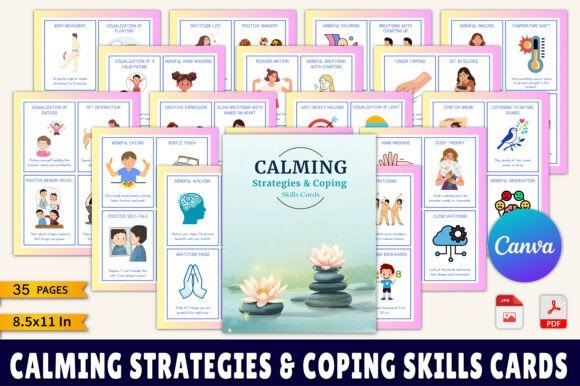
Calm down cards for kids are visual tools designed to guide children through moments when emotions feel big or overwhelming, offering calm choices instead of correction. A full overview of the most effective calm down cards for kids shows how these tools support transitions, emotional resets, and daily regulation routines. They work especially well during transitions, after disagreements, or when energy needs to slow down gently. Instead of correcting behavior, these cards show calming options such as breathing, pausing, or choosing a quiet activity. Because the guidance is visual, it often feels easier to follow. Calm down cards work well as part of a consistent emotional regulation routine.
Feelings Journals & Emotional Check-In Tools
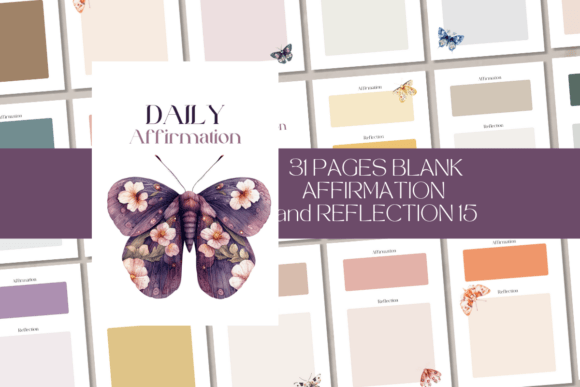
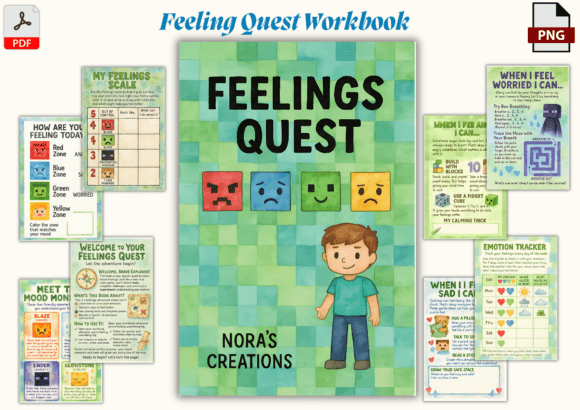
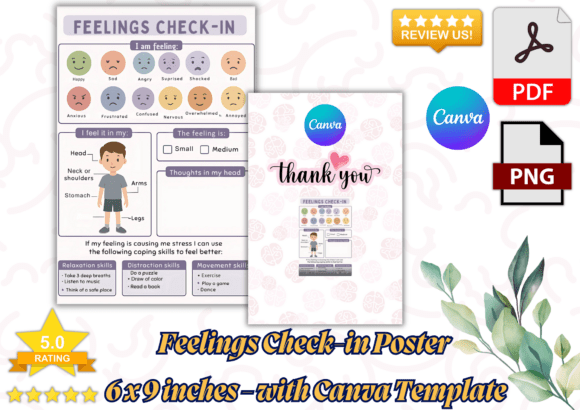
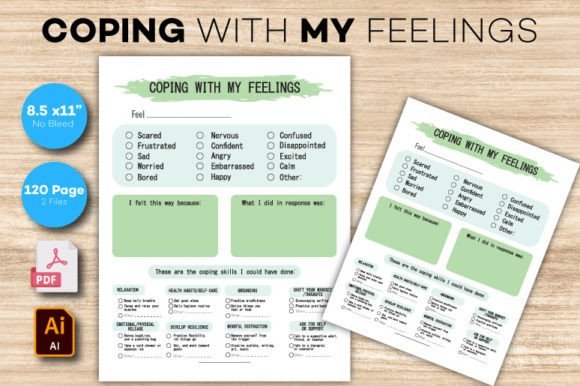
Feelings journals and check-in tools offer a quiet way to notice emotions without pressure to explain them out loud. They are often used at the start or end of the day, during reflection time, or after emotionally charged moments. Writing, circling, or visually marking emotions helps feelings feel contained and understandable. These tools support emotional awareness while keeping learning environments calm. Over time, they help build emotional vocabulary naturally.
Emotion Charts & Visual Emotion Scales
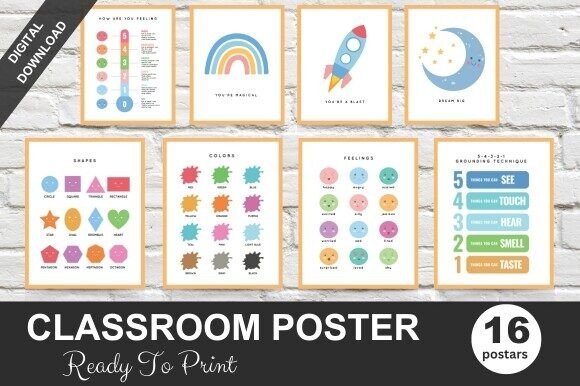
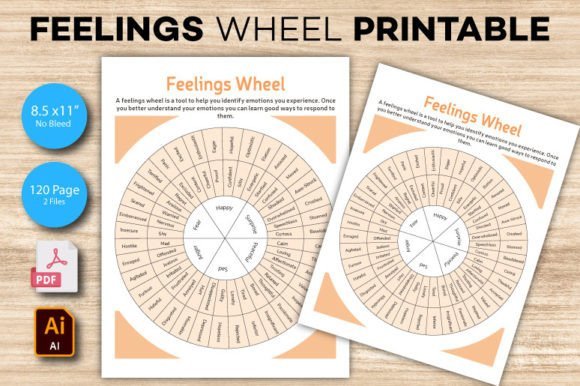
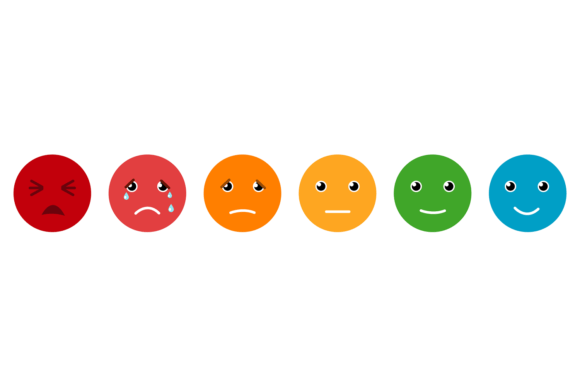
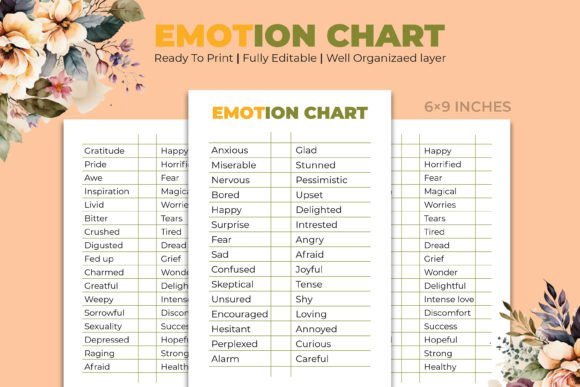
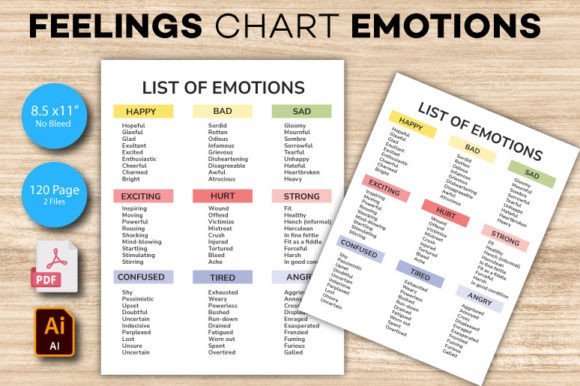
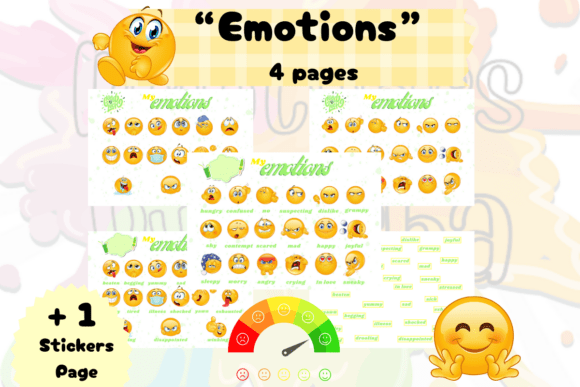
Emotion charts help make abstract feelings easier to recognize and name, especially when paired with other behavior and emotion worksheets for kids. This collection of printable emotion charts that help kids express feelings explains how visual scales support emotional awareness throughout the day. They are commonly used in classrooms, calm corners, or shared learning spaces where visual reminders support emotional awareness throughout the day. Color-coded faces, readable labels, and visual scales help children notice emotional changes without judgment. These charts are helpful during emotional check-ins or before transitions. They support emotional clarity through visibility rather than correction.
Emotion Worksheets & Guided Reflection Activities
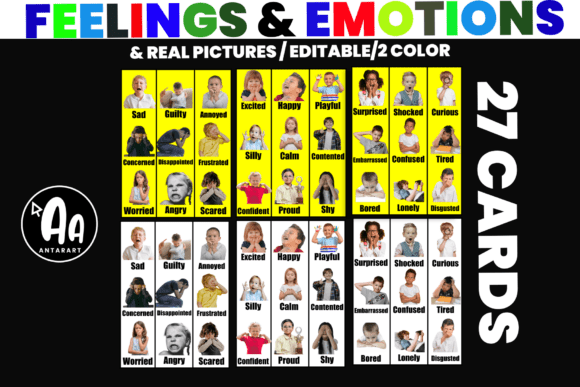
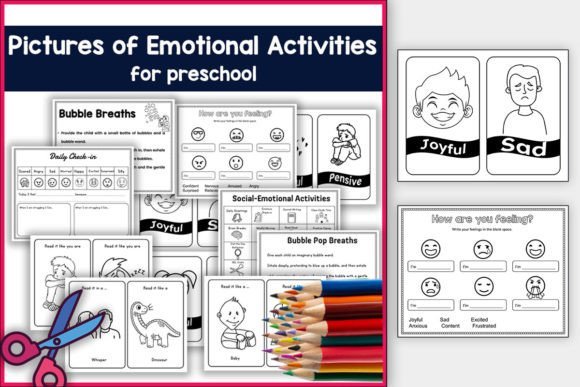
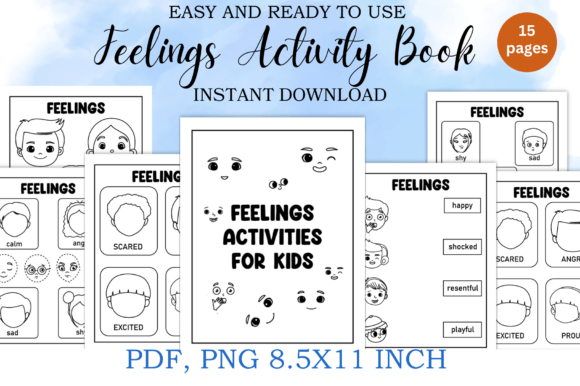
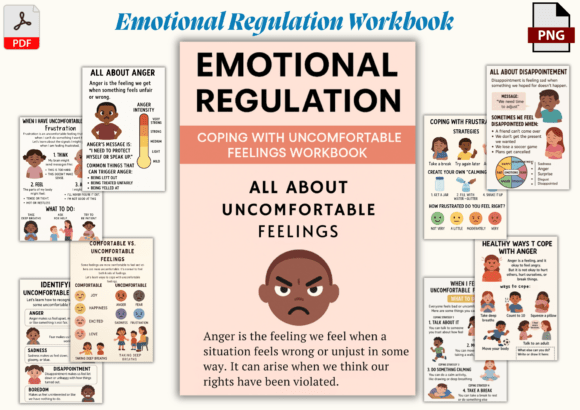
Emotion worksheets provide structured, low-pressure ways to explore feelings through matching, coloring, sorting, or short written responses. A closer look at feelings worksheets for kids shows how guided reflection activities support emotional understanding without overwhelming learning routines. They work well during quiet learning blocks, social-emotional lessons, or independent work time. The clear format helps children stay focused while processing emotions step by step. These activities support calm engagement rather than emotional intensity. They fit naturally into supportive learning routines.
Non-Verbal & Visual Communication Tools
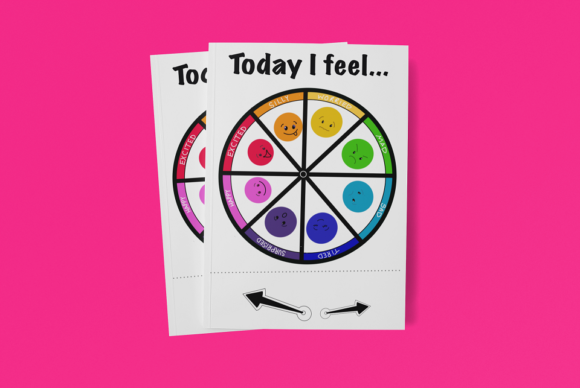
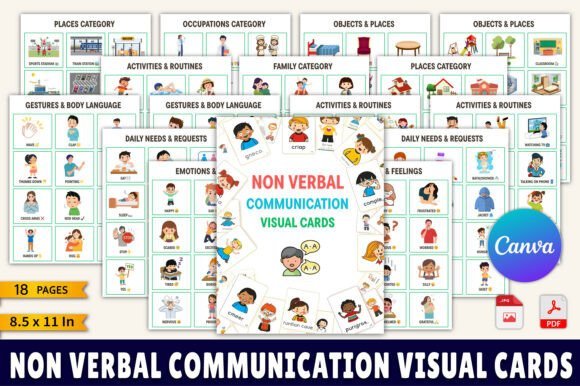
Some children benefit from tools that reduce the need for spoken explanations. Non-verbal communication cards and visual emotion tools help express needs, feelings, or choices through images. These resources are especially helpful during structured learning time, group activities, or moments when verbal communication feels difficult. Visual communication supports understanding without pressure. This approach often leads to calmer interactions.
Behavior & Self-Control Worksheets
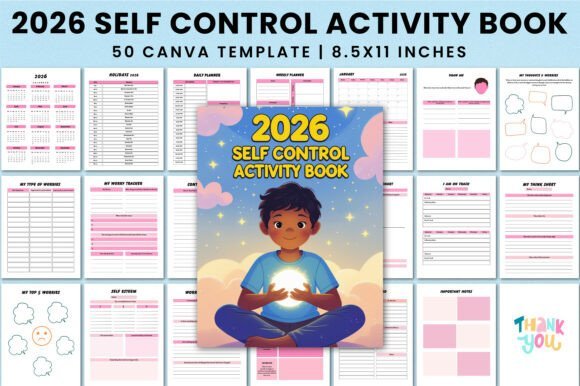
Behavior worksheets focus on understanding actions, choices, and emotional responses in everyday situations. They are commonly used during calm moments rather than active challenges. These worksheets support self-control, reflection, and positive decision-making through clear structure. The tone remains supportive rather than corrective. Over time, they help reinforce consistent behavior expectations gently.
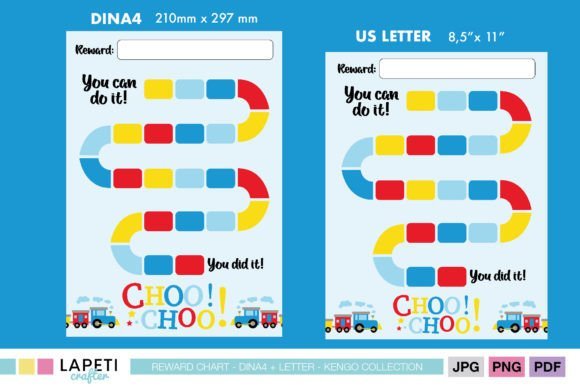
Behavior charts and reward charts for kids add visual consistency, helping children understand expectations through clear, predictable structure.
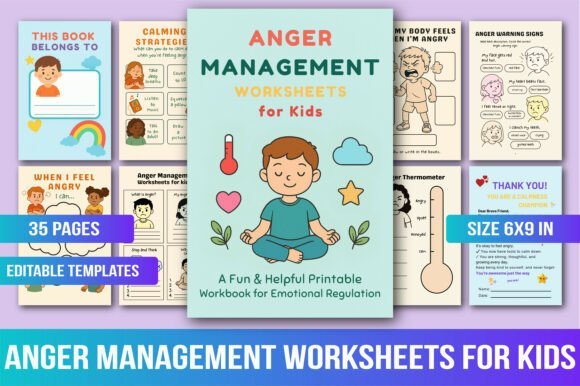
Creative Emotional Support Activities
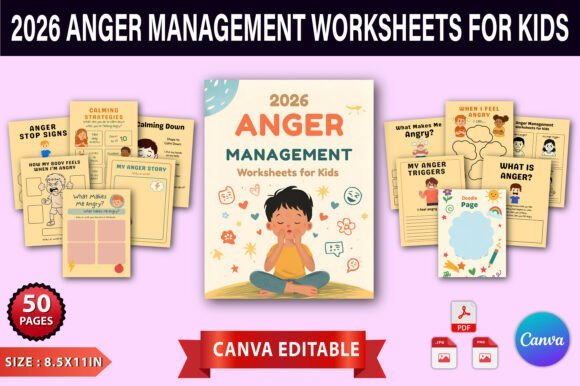
Creative tools such as coloring pages, flash cards, and visual prompts support emotional learning through calm engagement. They work well during breaks, transitions, or quiet independent activities. Creativity helps emotions settle naturally while keeping attention focused. These activities feel supportive rather than instructional. They blend seamlessly into calm learning environments.
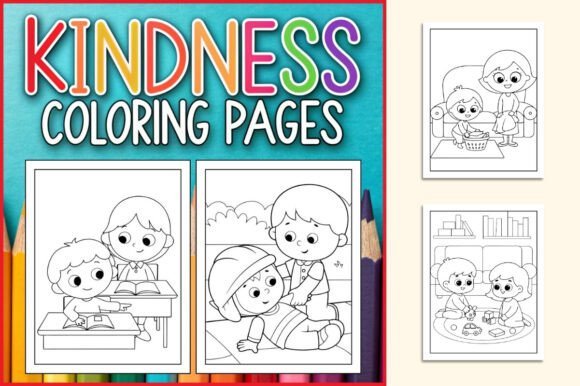
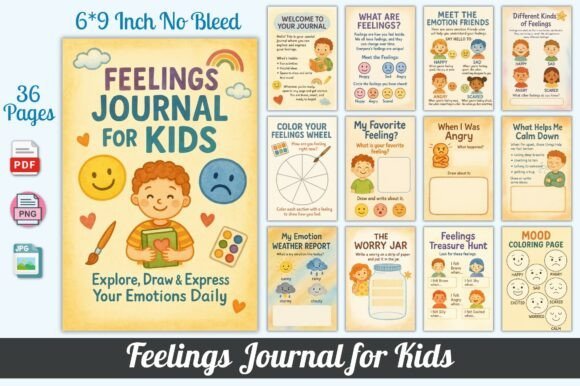
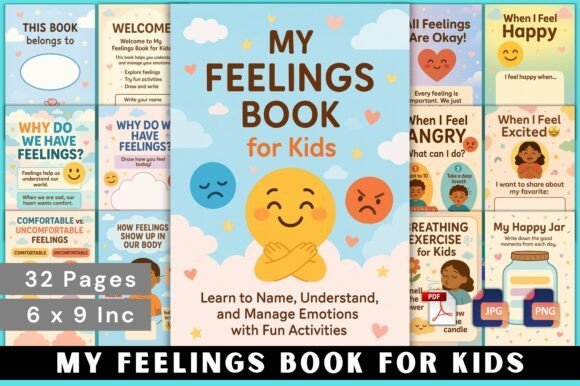
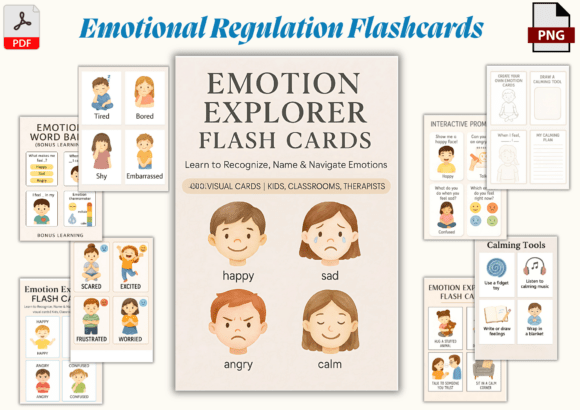
Behavior & Emotion Learning Books (Amazon Picks)
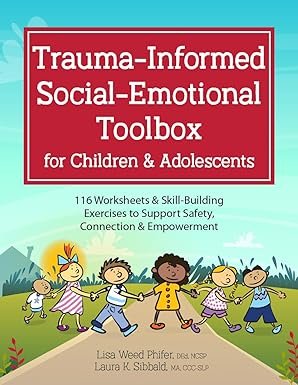
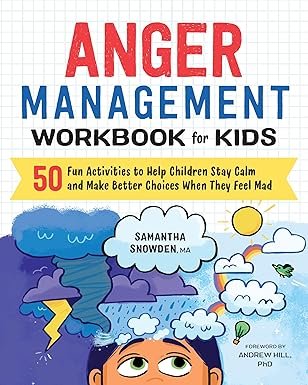
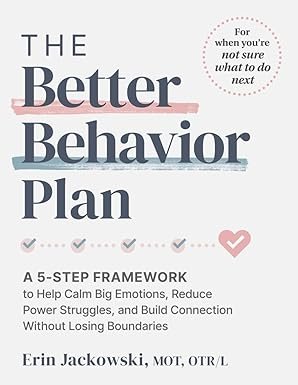
Books that combine visuals, gentle explanations, and structured activities help reinforce emotional understanding through reading. They work well during shared learning time or quiet reflection. Visual storytelling makes behavior and emotion concepts feel approachable. These books complement worksheets and printables well. They add comfort and consistency to emotional learning routines.
Building Calm, Supportive Learning Routines
Behavior and emotion worksheets for kids are most effective when they feel familiar, visual, and supportive. When tools focus on clarity rather than correction, learning spaces naturally become calmer and more predictable. Saving a trusted collection makes it easier to return whenever routines shift or emotional support is needed.
Together, calm down cards, emotion charts, behavior charts, and feelings worksheets create a connected system of behavior and emotion worksheets for kids that supports calm, predictable learning environments.
Thank you for exploring this guide. Save it on Pinterest, revisit it when planning new routines, or explore related resources whenever calm structure matters.
Open & enjoy → my favorite collection