Printable Emotion Charts That Help Kids Express Feelings
Disclosure: This page contains affiliate links. If you buy through them, PrintableBloom may earn a small commission, at no extra cost to you.
Big emotions often show up before the words for them do. Many children feel frustration, excitement, worry, or overwhelm long before they know how to name those feelings out loud. That gap between feeling and expressing is where misunderstandings, shutdowns, or challenging behavior can quietly grow. This is why emotion charts for kids play such an important supporting role in calm, everyday learning environments.
Children don’t struggle with emotions because they aren’t trying. They struggle because emotions are abstract, fast-moving, and often confusing. Vocabulary develops gradually, and emotional awareness takes even longer. Visual tools help slow everything down. A feelings chart printable turns emotions into something concrete — something a child can point to, look at, or return to when words feel out of reach.
Emotion charts don’t correct behavior or push solutions. Instead, they offer recognition first. When children see their feelings represented visually, it becomes easier to pause, reflect, and move forward calmly. Over time, these emotions chart for kids printable tools support emotional literacy, self-regulation, and more peaceful transitions — at home, in classrooms, and in calm corner spaces.
This guide is part of a broader overview of behavior and emotion worksheets for kids designed to support calm, predictable learning environments.
Emotion charts come in many formats, each serving a slightly different purpose. Wheels support exploration, charts provide steady reference, flashcards invite interaction, and worksheets guide reflection. Having a mix of formats available makes emotional learning flexible and responsive to different moments of the day.
Below is a curated collection of emotion charts for kids and related learning tools that fit naturally into behavior and emotion worksheets for kids — without pressure, overstimulation, or rigid structure.
Feelings Wheel Printable Handouts
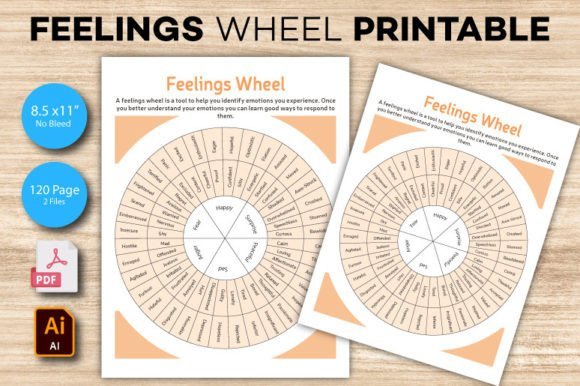
This feelings wheel gently guides children from basic emotions toward more specific ones, making emotional exploration feel manageable. It works especially well during calm-down moments, when a child knows something feels “off” but can’t explain why. Many educators use it during quiet check-ins or reflection time to support emotional awareness without urgency. The circular format invites curiosity instead of correction. It fits beautifully into calm corners or one-on-one learning moments.
Feelings and Emotions Chart (Autism-Friendly)
This chart focuses on clarity, consistency, and easy-to-read expressions. It’s particularly helpful in environments where predictability supports emotional safety. Often used in classrooms or homeschool routines, it provides a steady visual reference throughout the day. The design reduces cognitive overload and supports calm communication. It works well when kept visible and gently referenced as needed.
Emotion Scale Chart with Color Faces
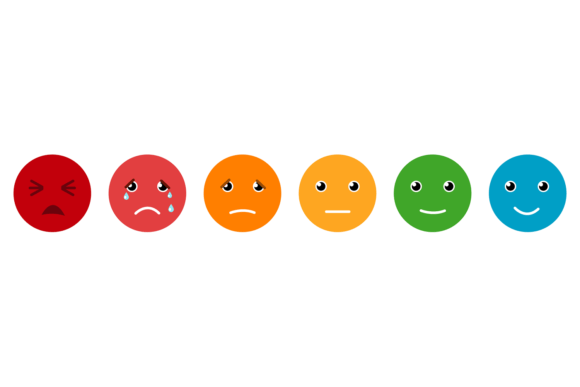
This chart introduces emotional intensity in a visual, approachable way. Children can show not only what they feel, but how strongly they feel it. It’s often helpful before transitions or problem-solving conversations. By externalizing emotions onto a scale, it supports regulation rather than escalation. The visual structure encourages emotional awareness without pressure.
Readable Feelings Chart
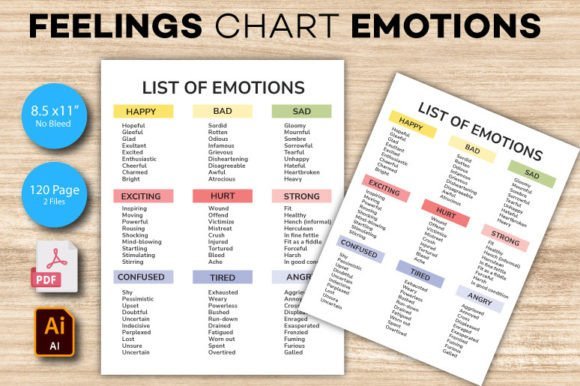
Designed with clear text and straightforward labels, this chart supports early readers and visual learners. It works well during writing activities, emotional check-ins, or group discussions. Many teachers keep it nearby as a quiet reference tool rather than a formal activity. The simplicity supports calm learning environments where overstimulation is avoided. It blends easily into everyday routines.
Emotions and Feelings Chart
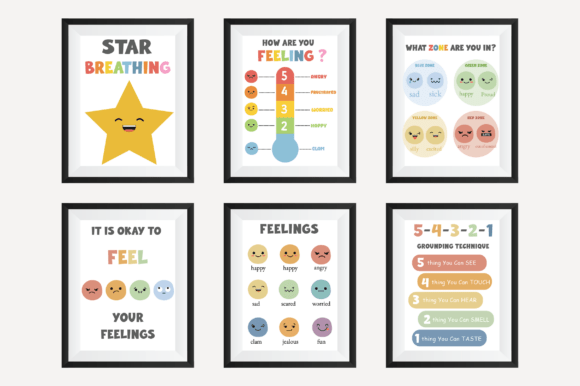
This chart balances visual cues with emotional vocabulary, making it suitable for a wide age range. It’s often used during morning check-ins or reflection moments. The layout encourages recognition without forcing conversation. Families frequently use it during end-of-day routines to gently revisit emotions. It supports emotional learning in a natural, low-pressure way.
Feelings Wheel for Nonverbal Communication
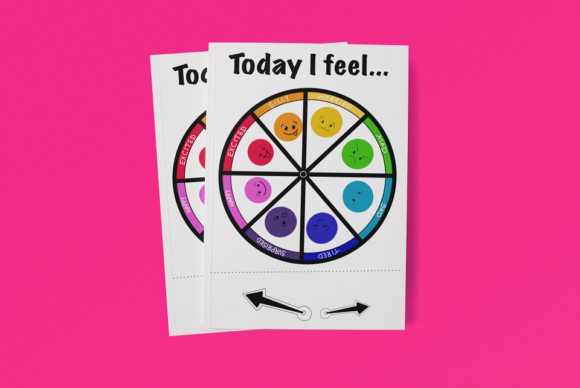
This wheel supports emotional expression when verbal communication is difficult. It allows children to point or indicate feelings without needing to explain everything aloud. Often used in calm corners or quiet learning spaces, it reduces frustration during intense moments. The structure supports emotional safety and clarity. It integrates smoothly into regulation-focused routines.
Emotion Chart Page (Notebook Style)
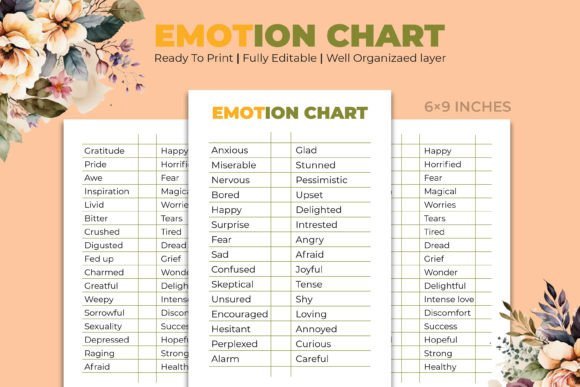
This printable page works well inside journals, binders, or daily learning notebooks. It’s commonly used during reflection activities or independent work. The clean design keeps the focus on emotional awareness rather than decoration. It’s a flexible option that adapts to different routines. Many educators keep it on hand for spontaneous check-ins.
Feelings Flashcards and Poster Set
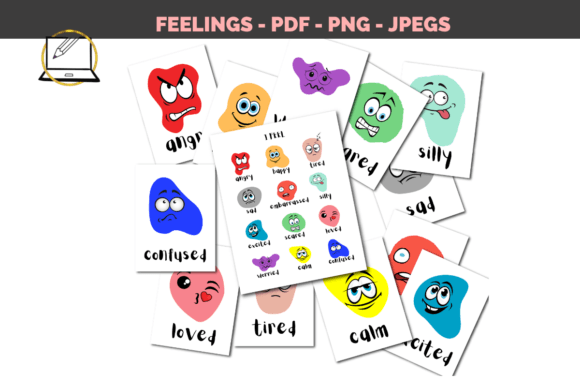
This set combines interactive and visual learning. Flashcards support games, matching activities, or small-group discussions, while the poster provides a consistent reference point. Together, they help reinforce emotional vocabulary naturally. They’re often used during circle time or SEL activities. The format supports both movement and calm focus.
Emotions Poster & Flashcards for Kids
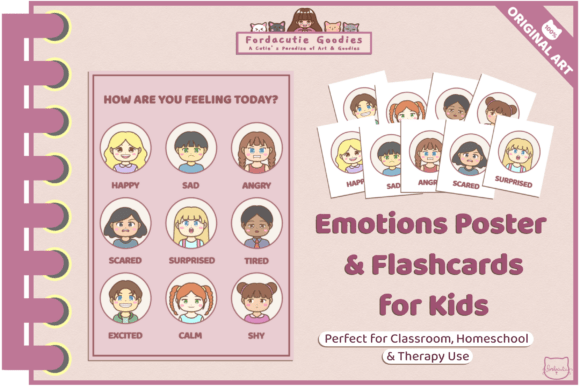
This resource supports different learning styles by pairing visual anchors with hands-on exploration. It’s helpful during emotional literacy activities or behavior reflection moments. The poster stays visible while the cards invite interaction. This balance supports engagement without overstimulation. It fits well in both classrooms and homeschool spaces.
Identifying Feelings & Emotional Regulation Charts
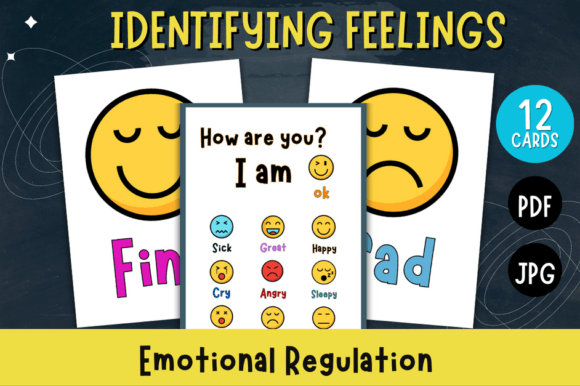
This printable helps connect emotional recognition with regulation strategies. It’s often used after emotionally intense moments to support calm reflection. The structure encourages understanding rather than correction. It fits naturally into behavior and emotion worksheets for kids focused on long-term skills. Many educators keep it accessible throughout the day.
These visuals are often most effective when paired with calm down cards for kids that guide regulation during transitions and emotionally intense moments.
Fruits Feelings Posters
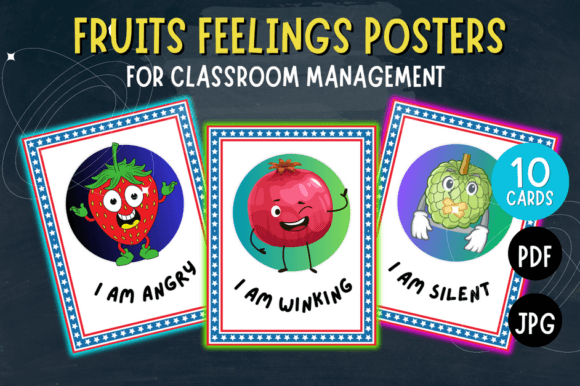
Playful visuals make emotional learning feel less intimidating. These posters work especially well in early learning spaces or welcoming classroom setups. The friendly imagery invites conversation without pressure. They help normalize emotions as part of everyday life. These posters add warmth to calm corners and learning areas.
Feelings Check-In Worksheet
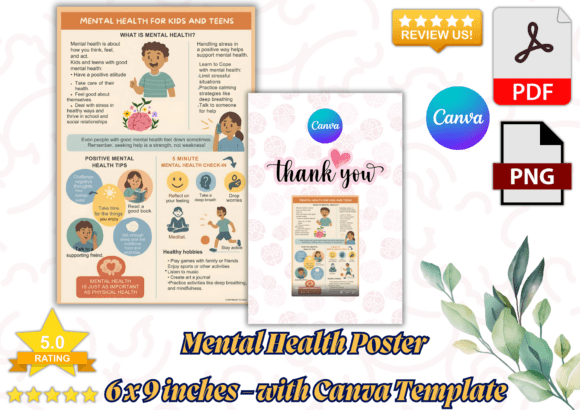
This worksheet supports short, focused emotional reflection. It pairs naturally with feelings worksheets for kids that support guided emotional exploration without pressure. It’s commonly used at the start or end of the day to help children tune into how they feel. The format encourages awareness without long explanations. It works well during transitions or quiet moments. Many families include it in homeschool routines.
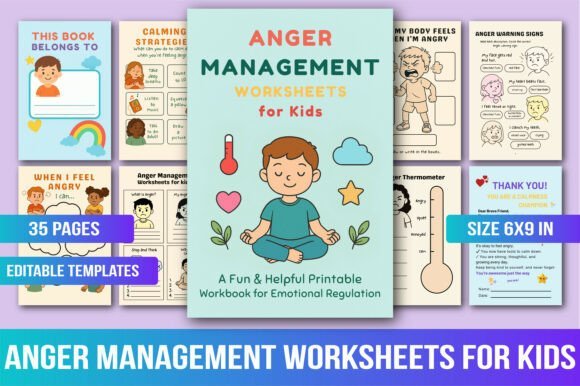
Calming Strategies Poster & Worksheet
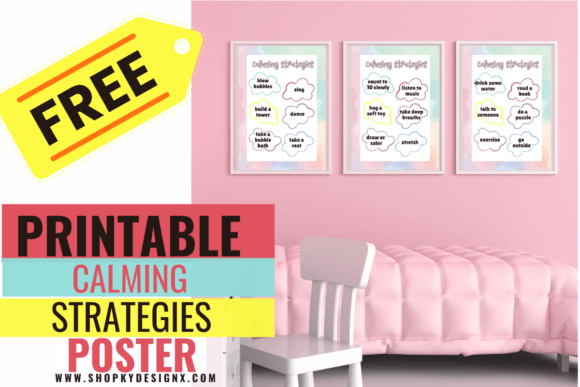
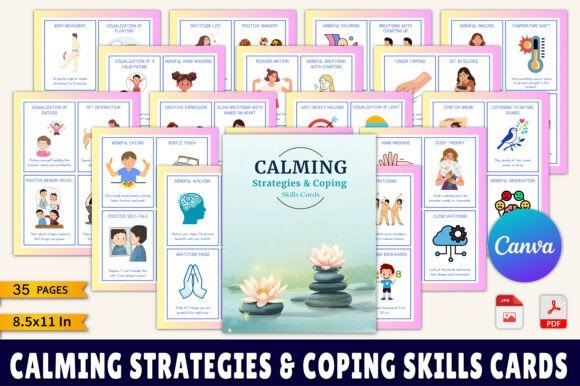
This resource connects emotions with practical calming strategies. It’s helpful when feelings are identified but regulation is still developing. The poster offers visual reminders, while the worksheet supports gentle practice. It’s often placed in calm corners or regulation spaces. The tone remains supportive and reassuring.
Emotional Regulation Cards for Kids
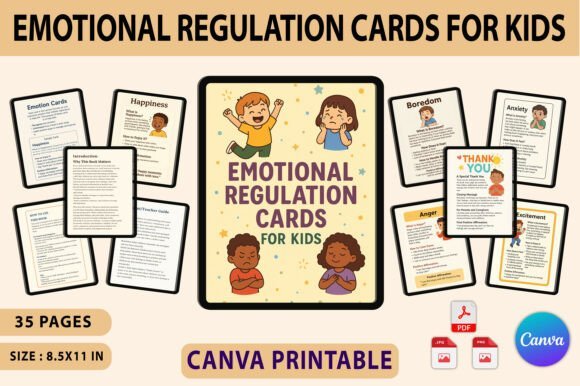
These cards offer simple prompts that support emotional awareness and coping. They’re easy to integrate into daily routines or small-group activities. The card format allows flexibility without pressure. They’re especially useful during transitions or reflection moments. The overall feel supports steady, calm learning.
Feelings & Emotions Real Pictures Cards
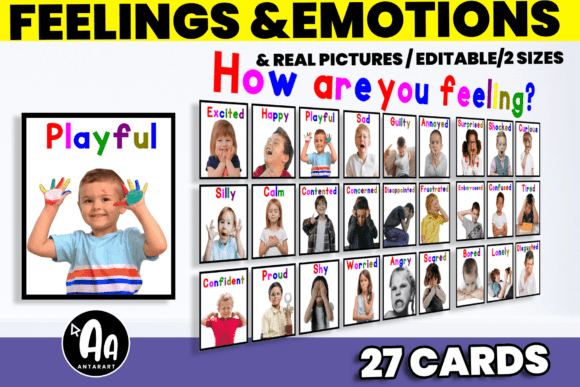
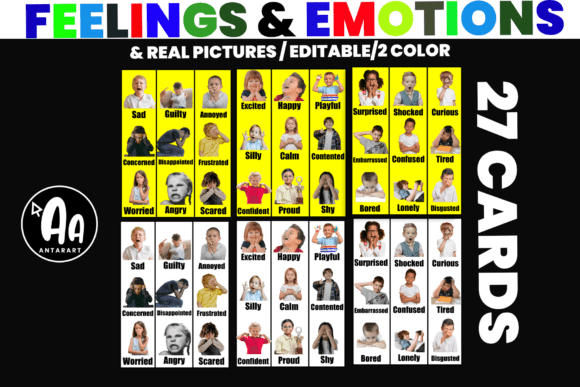
Real-life images help connect emotions to everyday experiences. These cards are helpful for children who benefit from realistic visuals. They’re often used during discussion or matching activities. The format supports emotional clarity and understanding. They fit naturally into SEL sessions.
Feelings Check-In Journal for Kids
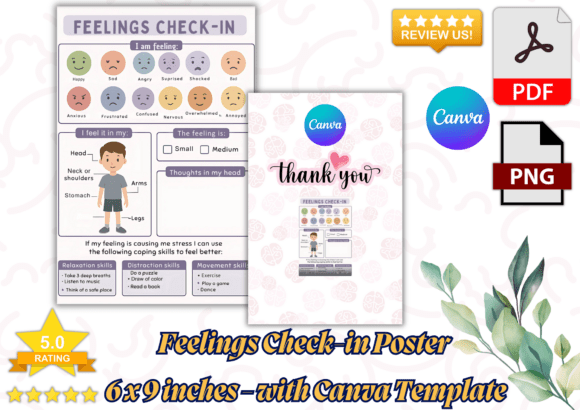
This journal supports ongoing emotional reflection over time. It works well during quiet moments or as part of a daily routine. The structure encourages consistency without pressure. Over time, it helps build emotional awareness and expression. It pairs well with emotion charts for kids.
Growth Mindset for Kids Printables
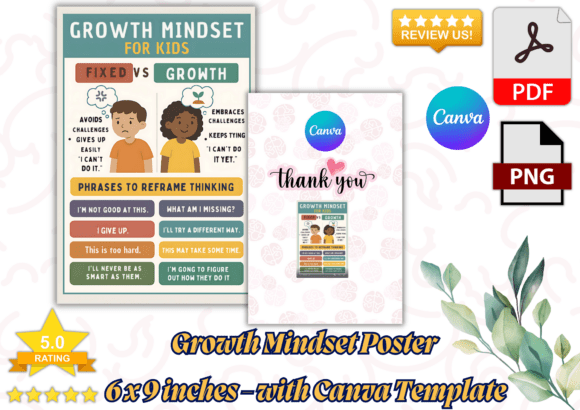
These printables connect emotions with effort, learning, and resilience. They’re helpful during moments of frustration or challenge. The visuals reinforce supportive language around emotions. They’re often used during reflection activities. The tone supports confidence and calm learning.
Emotion & Feelings Learning Tools (Amazon Picks)
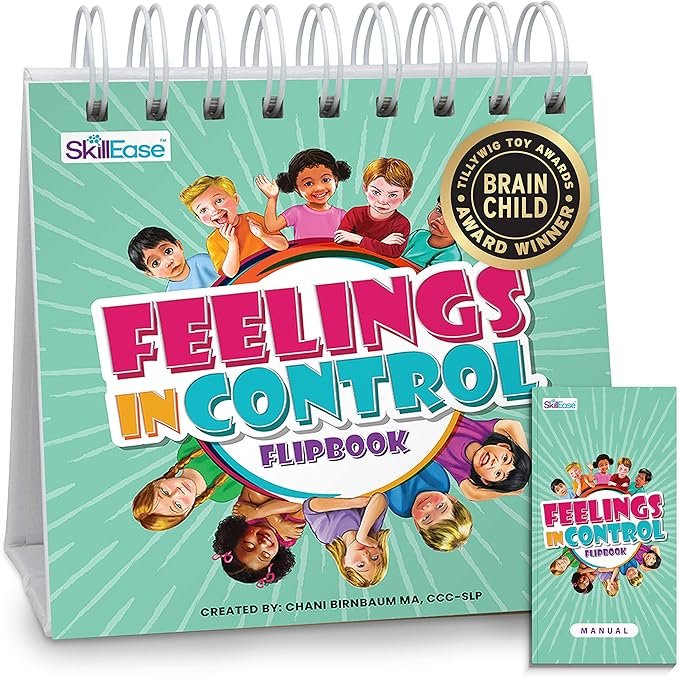
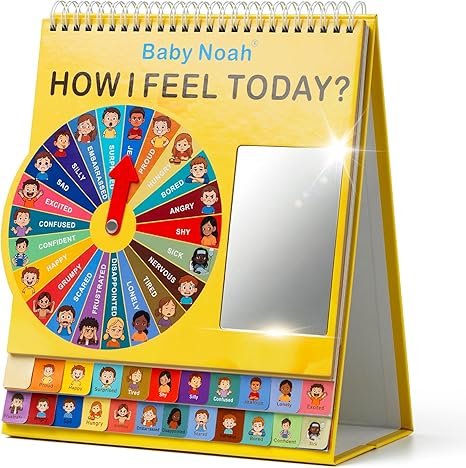
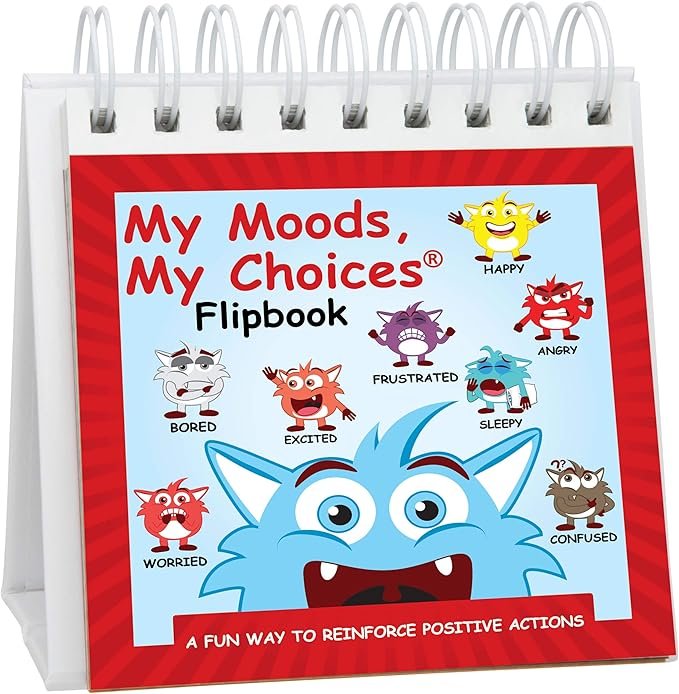
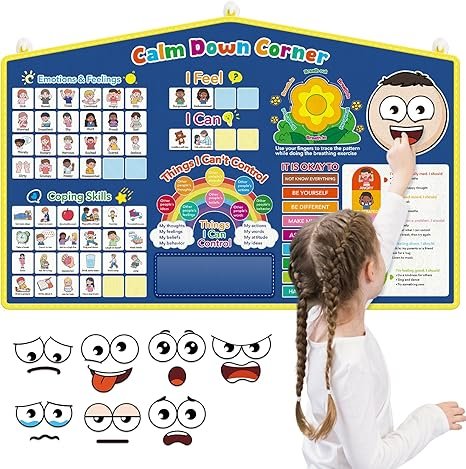
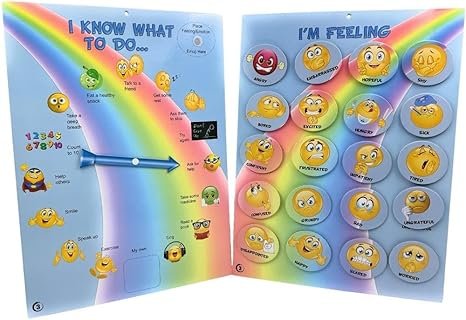
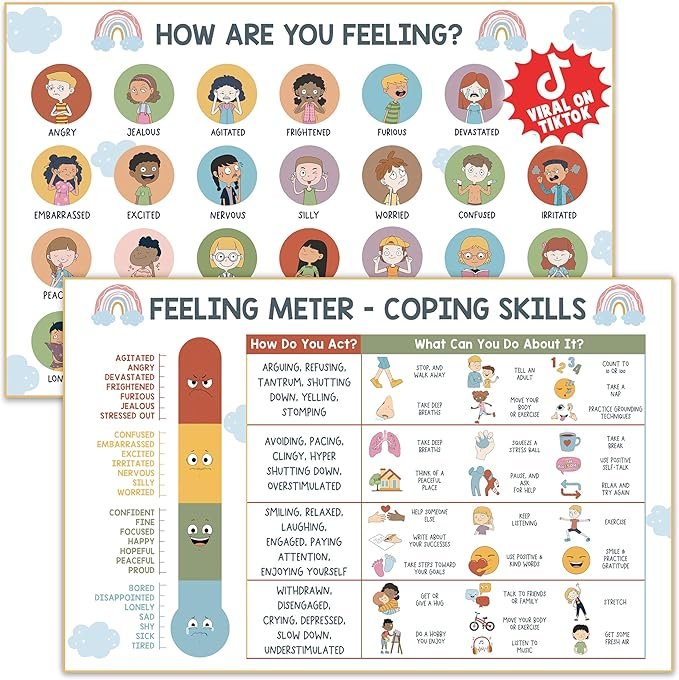
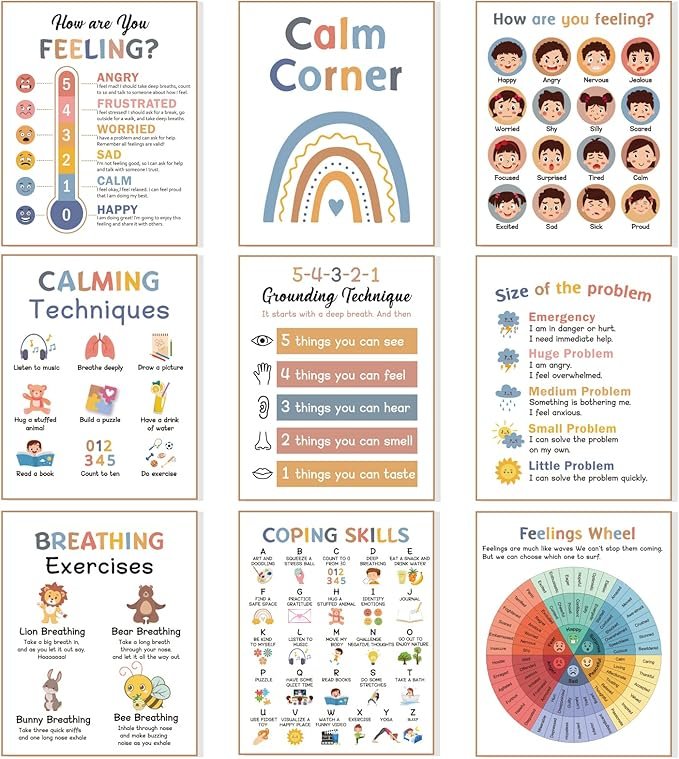
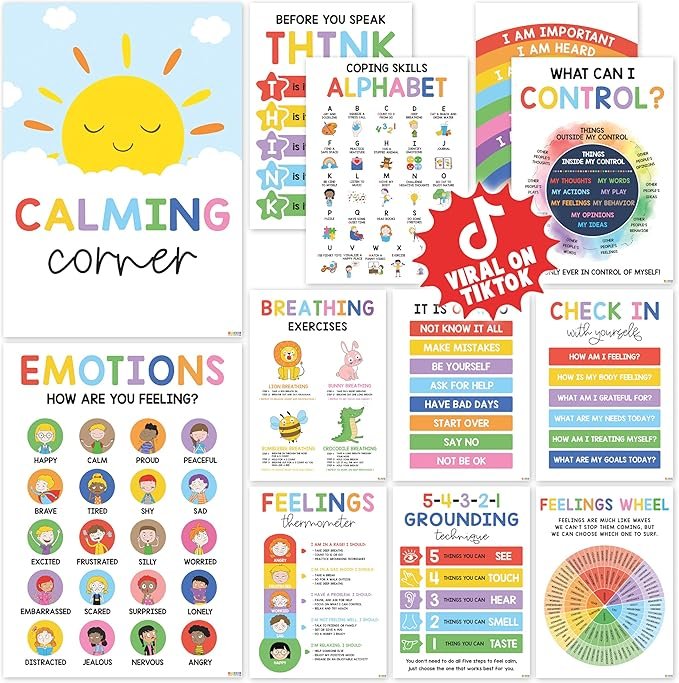
These hands-on emotion charts and flip-style tools complement printables beautifully. They’re often used in classrooms, therapy spaces, and homeschool environments where tactile interaction supports engagement. Many educators keep them accessible during group activities or calm-down moments. The physical format reinforces emotional vocabulary throughout the day. Together, they support balanced, supportive emotional learning.
Supporting emotional expression doesn’t require complex systems — just thoughtful tools used with care. These emotion charts for kids are designed to fit naturally into daily routines and calm learning spaces. If this collection feels helpful, consider saving it for later or exploring similar resources when building your own supportive environment.
Open & enjoy → my favorite collection