Behavior Charts & Reward Charts for Kids That Support Calm Routines
Disclosure: This page contains affiliate links. If you buy through them, PrintableBloom may earn a small commission, at no extra cost to you.
Daily routines ask a lot from children. Remembering expectations, following through on chores, managing transitions, and staying focused all require skills that are still forming. This is where behavior charts for kids become especially helpful. When expectations are visible and consistent, children don’t have to guess what comes next — they can simply follow the structure in front of them.
Behavior and reward charts are not about control or pressure. Used thoughtfully, they act as quiet guides that reduce verbal reminders and emotional tension. Instead of repeating instructions, adults can rely on visuals that gently support routines. Over time, these tools help daily life feel more predictable, calmer, and easier to navigate.
This article is part of a broader guide to behavior and emotion worksheets for kids designed to support calm, predictable learning routines.
Why Behavior & Reward Charts Are Helpful
Children often want to meet expectations but struggle to remember them in the moment. Visual tools such as a behavior chart printable make routines concrete instead of abstract. Expectations move out of conversations and into a shared visual space.
Charts support independence by showing progress, not pointing out mistakes. They also help reduce friction during busy parts of the day, such as mornings, clean-up time, or bedtime. When used consistently, positive behavior charts help routines feel supportive rather than demanding.
These charts work especially well alongside positive behavior printables for kids that reinforce encouragement and consistency across daily routines.
Behavior Charts vs. Reward Charts: A Clear Difference
Behavior charts focus on awareness and consistency. They track routines, habits, or expectations and help children notice patterns over time. Reward charts add a motivational layer by recognizing effort or follow-through, especially during habit-building phases.
Both formats work best when rewards are framed as encouragement, not pressure. When charts remain predictable and calm, children engage more willingly. Used together, they support routines without turning daily tasks into power struggles.
Using Charts Without Pressure
Charts are most effective when introduced during calm moments, not during conflict. Goals should stay small, language should remain neutral, and visuals should feel friendly rather than strict. This approach helps charts blend naturally into everyday life.
Many families and educators connect charts to chores and routines because repetition builds confidence. Visual routines become even more effective when paired with kids daily routine and chore checklists that make expectations clear and easy to follow. Over time, charts become less about tracking behavior and more about building self-awareness and independence.
Behavior & Reward Charts Collection
Clean Room Behavior Chart
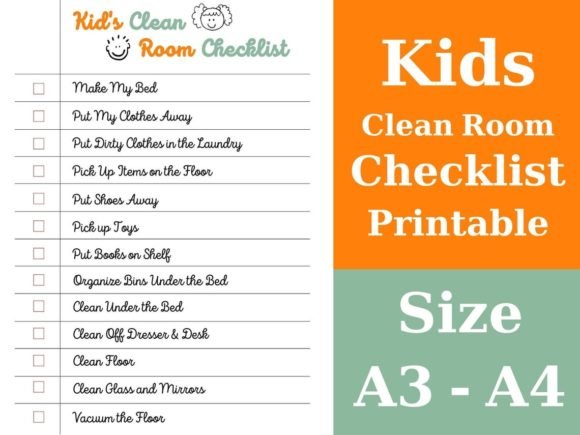
This chart focuses on a single routine, making expectations clear and manageable. It works especially well during daily clean-up times or end-of-day resets. By breaking tasks into visible steps, it reduces overwhelm and repeated reminders. The structure supports calm follow-through rather than urgency. It’s a steady option for routines that happen every day.
Kids Behavior & Reward Chart
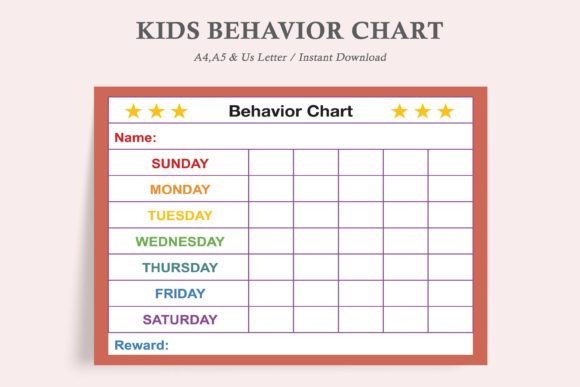
This chart combines awareness and encouragement in a balanced way. It’s often helpful when introducing new routines or reinforcing existing ones. The visual structure keeps expectations clear without overexplaining. It fits naturally into both home and classroom environments. The format supports positive habits without rigidity.
Weekly Behavior Chart for Kids
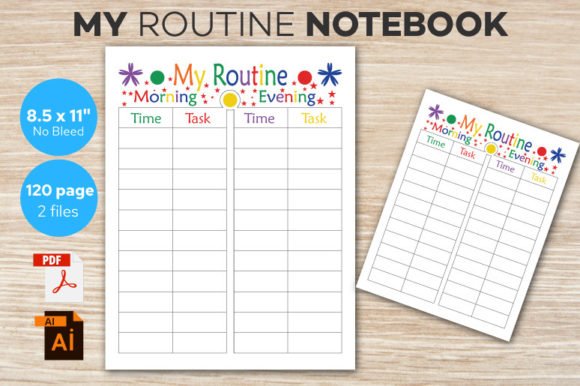
Weekly charts help children see progress over time rather than focusing on individual moments. This format works well for routines that take practice. It encourages reflection and patience. Many educators use it during weekly check-ins or planning sessions. The layout supports long-term consistency.
Kids Task & Reward Charts Planner
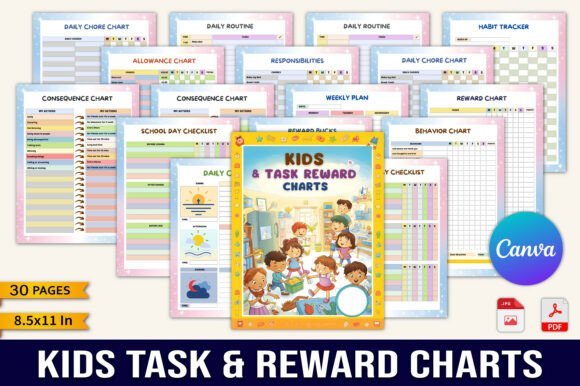
This planner-style chart connects tasks with gentle motivation. It works well for children who benefit from predictable structure. Often used during morning or evening routines, it keeps expectations visible without pressure. The format supports growing independence. It’s a helpful bridge between guidance and autonomy.
Behavior Clip Chart System
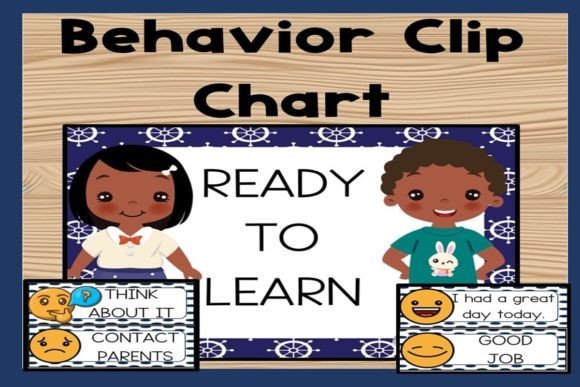
Clip charts provide a visual way to track behavior throughout the day. They are commonly used in classrooms with multiple transitions. The movement of the clip helps maintain awareness without constant reminders. When used neutrally, it supports accountability without shame. It works best as a steady visual cue.
Positive Reward Chart for Kids
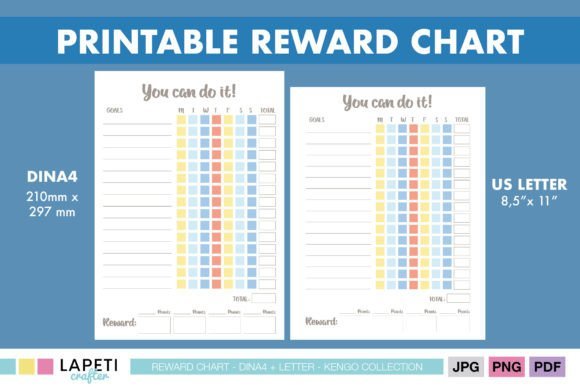
This chart highlights effort and consistency rather than outcomes. It’s helpful when building new habits or reinforcing routines. The design keeps the focus on progress. It works well as part of a calm learning routine. The visual reinforces steady motivation.
Positive Reward Chart – Alternate Layout
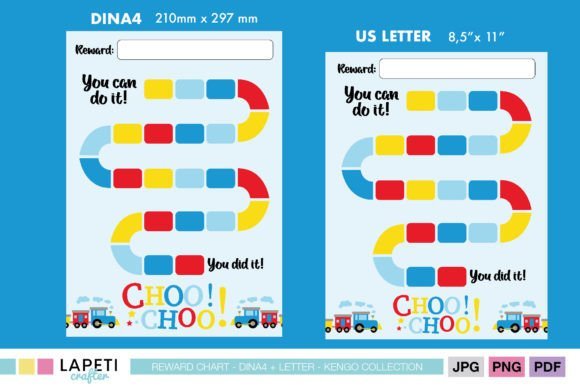
This version offers flexibility without changing expectations. It’s useful when visual variety helps maintain engagement. Many families rotate charts to keep routines fresh. The structure remains predictable. It blends easily into daily schedules.
Reward Chart Placement for Kids
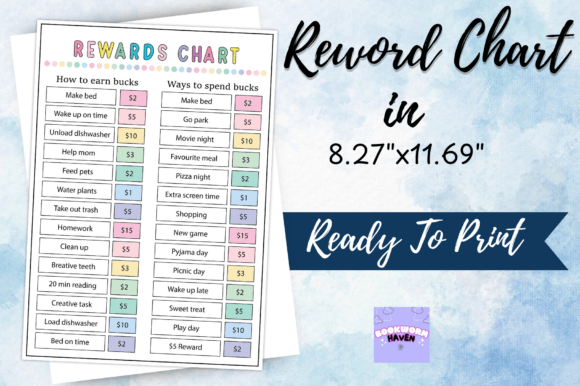
This chart helps clarify how rewards fit into routines. It’s especially useful when goals feel unclear. The visual layout supports transparency and trust. It works well for longer-term habits. The format encourages patience and consistency.
Classic Reward Chart for Kids
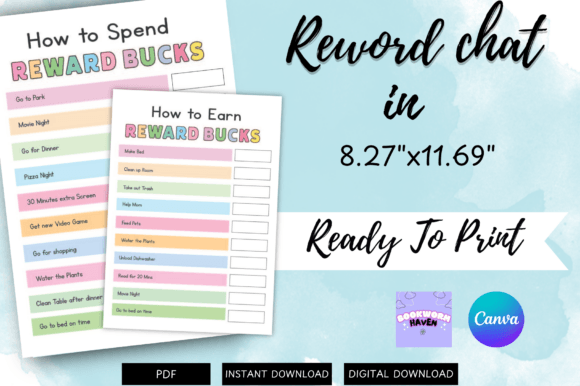
Simple and direct, this chart supports everyday routines. It’s often used for chores, homework habits, or bedtime structure. The clean layout keeps focus on the task itself. It supports calm follow-through. A reliable option to keep on hand.
Reward Chart – Second Version
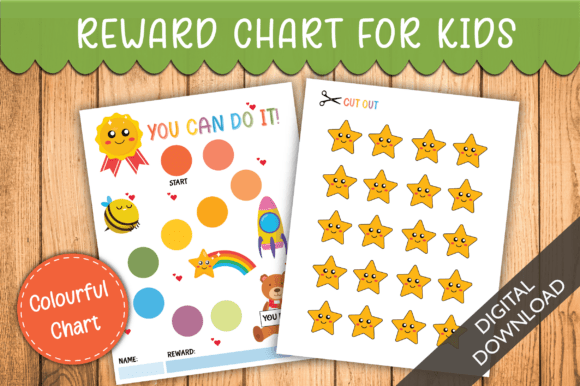
This variation keeps expectations clear while offering a slightly different look. It works well when routines need a gentle refresh. The structure remains familiar. It fits easily into home or classroom settings. The design keeps motivation steady.
Toddler Reward Chart
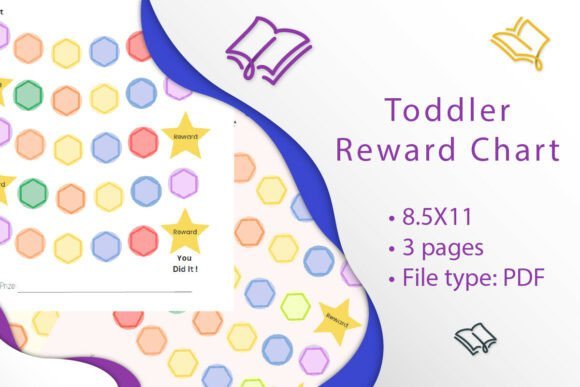
Designed for early learners, this chart keeps goals simple and visual. It works well for daily routines such as getting dressed or tidying toys. The format supports short attention spans. It encourages participation without pressure. A calm introduction to structured routines.
Panda Reward Chart
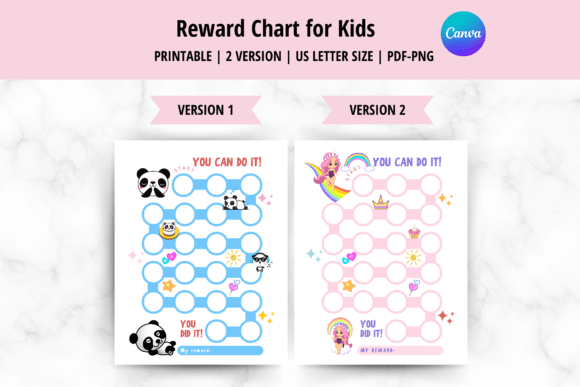
Friendly visuals help routines feel approachable. This chart works well for younger children who respond to playful designs. It keeps the focus on effort rather than outcomes. The tone feels supportive. It blends naturally into calm learning spaces.
Unicorn Reward Chart for Kids
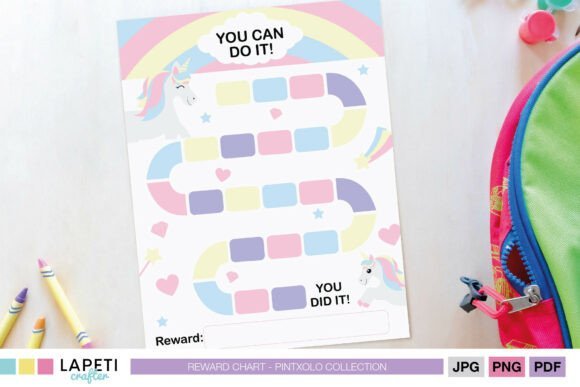
This chart adds a touch of imagination to routine-building. It’s often helpful when motivation needs a gentle boost. The design keeps routines engaging without distraction. It supports consistency through familiarity. A comforting option for daily habits.
Unicorn Reward Chart – Alternate Design
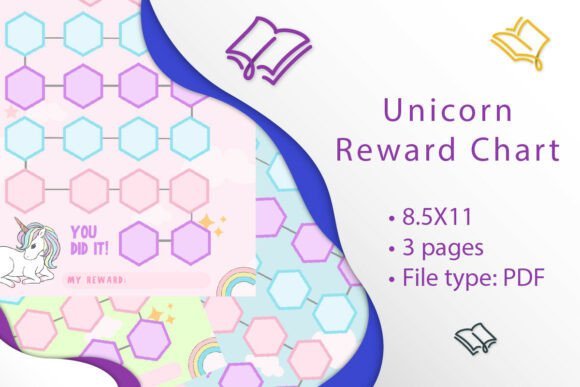
This version offers visual variety while keeping the same structure. It’s useful for rotating charts without resetting expectations. The design supports continuity. It allows routines to stay fresh while remaining predictable.
Rainbow Reward Chart for Children
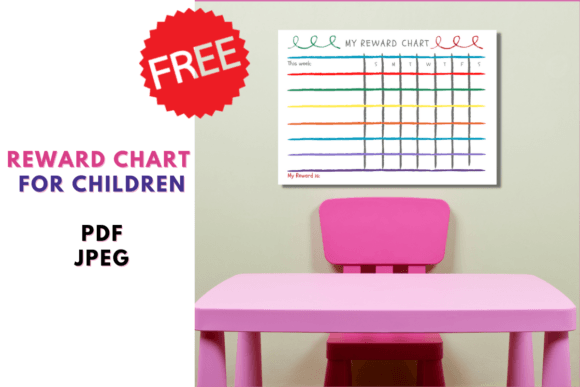
This chart makes progress easy to see over time. It works well for longer routines where consistency matters. The design feels encouraging without pressure. It supports calm motivation. A steady visual for daily habits.
Reward System Behavior Chart
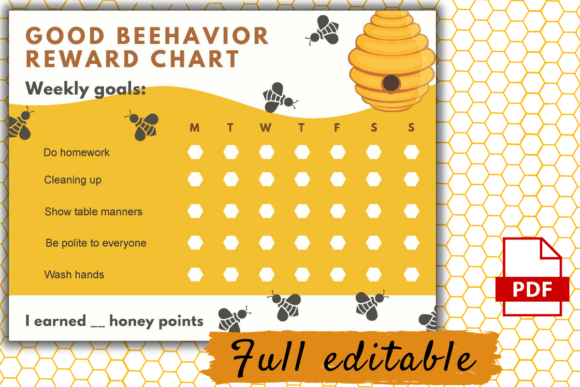
This chart combines structure and encouragement. It’s helpful when routines include multiple steps. The system layout keeps expectations clear. It works well during habit-building phases. The format supports follow-through without overwhelm.
Bedtime Reward System Chart
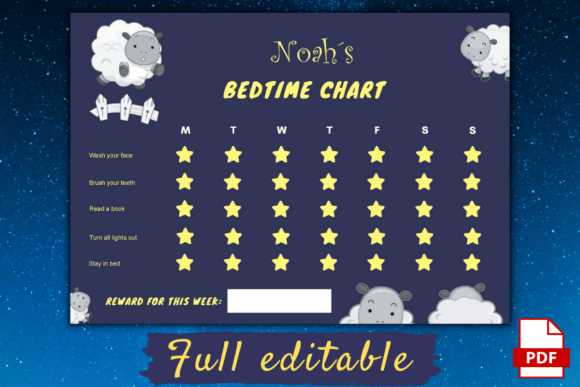
Bedtime routines benefit from predictability. This chart helps make evening steps visible and calm. It reduces repeated reminders. The design supports smoother transitions. A helpful addition to nightly routines.
Princess Reward System Chart
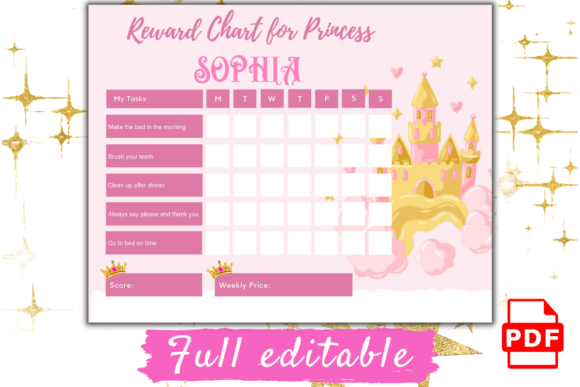
This themed chart adds warmth and familiarity to routines. It’s often helpful when emotional reassurance supports cooperation. The structure stays consistent. The design adds comfort without distraction. It supports daily habits gently.
Super Heroine Reward System Chart
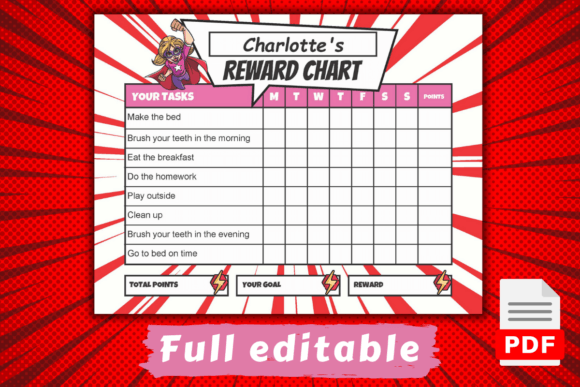
This chart frames routines as strength-building. It’s useful when encouraging responsibility. The visual theme adds motivation without pressure. It supports consistency through positive framing. A calm approach to habit reinforcement.
Pink & Blue Behavior Charts for Kids
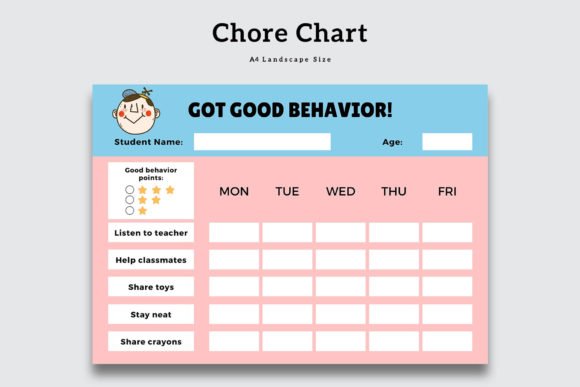
Color-coded visuals help expectations stand out clearly. These charts work well in shared spaces. The layout supports quick reference during busy moments. It fits smoothly into daily routines. A practical structured option.
Sleeping Reward System Chart
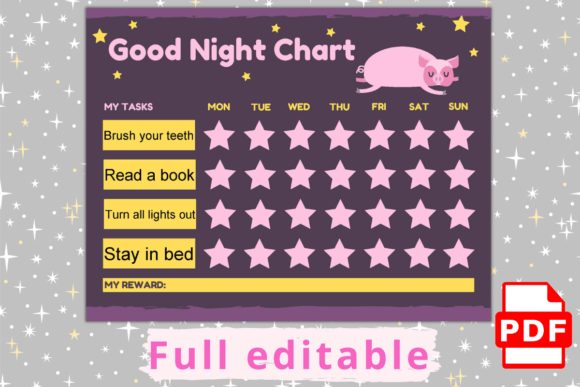
Sleep routines benefit from steady visual reassurance. This chart supports consistency without pressure. It helps children know what comes next. The format encourages calmer evenings. A supportive tool for nighttime habits.
Magnetic Behavior Chart
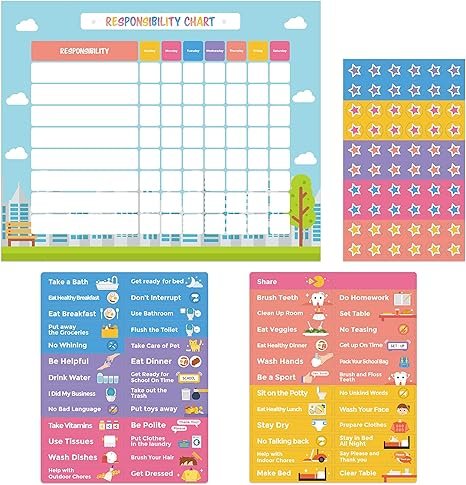
Magnetic charts add flexibility and visibility to routines. They work well on refrigerators or boards. The tactile element supports engagement. It’s especially helpful in busy households. The format supports daily tracking with ease.
Behavior & Responsibility Chart
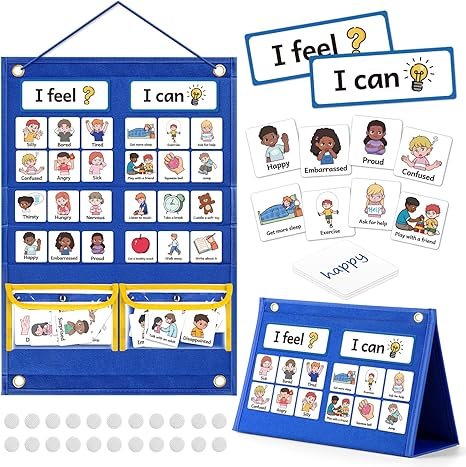
This chart emphasizes responsibility through clear visual structure. It works well for older children. The layout supports accountability without pressure. It’s often used for household routines. A steady tool for habit-building.
Supporting routines doesn’t require strict systems — just clear visuals and consistency. These behavior charts for kids are designed to fit naturally into daily life, helping routines feel calmer and more predictable.
Open & enjoy → my favorite collection