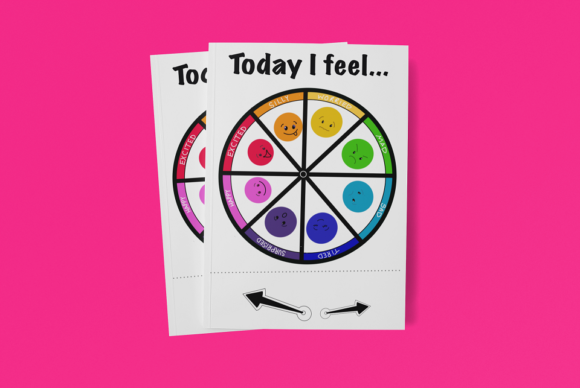
Feelings Worksheets for Kids That Make Emotional Learning Feel Safe
Feelings worksheets for kids help introduce emotions in a way that feels natural, calm, and approachable. Instead of turning emotional learning into something heavy or academic, these worksheets create space for children to notice, name, and explore feelings through simple visuals and gentle activities. In homes, classrooms, and homeschool environments, emotions worksheets printable formats make it easier to talk about feelings as part of everyday routines — not only during difficult moments.
Children learn emotions best when they feel safe and unhurried. When feelings are presented through familiar formats like worksheets, check-ins, and visual prompts, emotional learning becomes predictable rather than overwhelming. Feelings activities for kids work especially well alongside emotion charts and calm-down tools, where emotions are acknowledged without judgment and supported without pressure.
This article is part of a broader guide to behavior and emotion worksheets for kids designed to support calm, predictable emotional learning routines.
The resources below are designed to fit into real life. They work during morning routines, quiet work time, transition moments, or emotional resets — supporting emotional awareness while keeping learning soft, visual, and reassuring.
Coping With My Feelings Worksheet
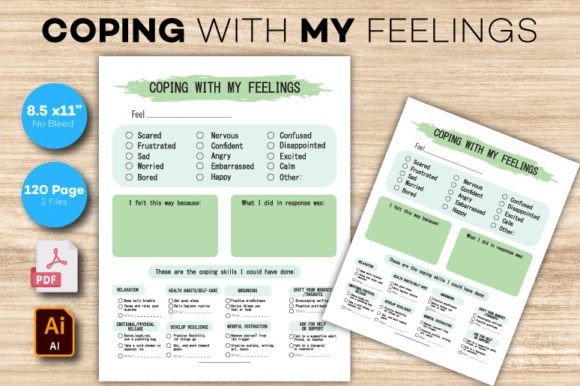
This worksheet introduces coping strategies in a clear and comforting way. It’s especially helpful after emotional moments, when children need support slowing down and identifying what they feel. The prompts feel manageable and never demanding, which makes reflection easier. Many learning spaces use it as part of a calm-down area or quiet reset routine. It gently reinforces the idea that emotions can be handled with care and support.
Emotional Intelligence Worksheets for Kids
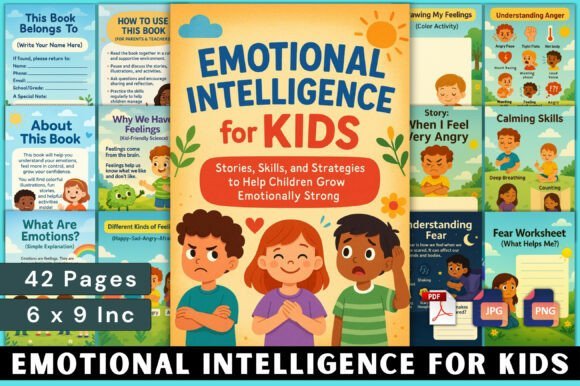
These worksheets guide children through recognizing and understanding emotions step by step. They work well during social-emotional learning time or small group activities. The layout keeps emotional concepts simple and visual, reducing the need for long explanations. Instead of testing knowledge, the activities invite awareness. This makes emotional learning feel steady and accessible.
Self-Expression Feelings Worksheet
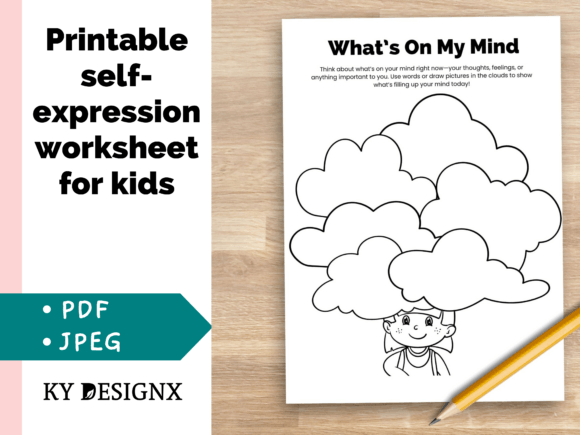
This worksheet supports emotional expression without requiring advanced writing skills. It’s often helpful during quiet moments, journaling time, or emotional check-ins. The structure allows children to share feelings at their own pace. Educators frequently use it when children appear withdrawn or overwhelmed. It encourages emotional awareness while keeping the tone calm and supportive.
Understanding Emotions Workbook Pages
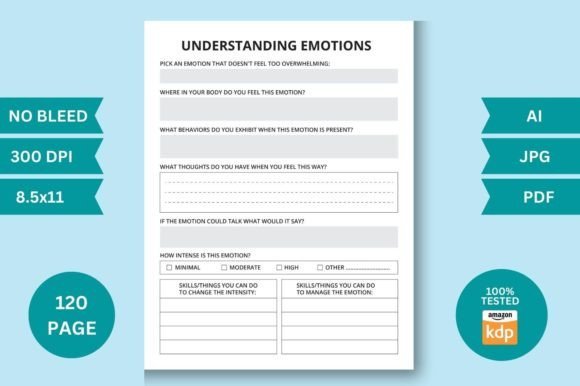
These pages offer a gentle, structured way to explore emotions over time. They work best when emotions are introduced gradually rather than all at once. The consistent format helps children feel comfortable returning to similar activities. Many educators include these pages in weekly routines. The result is emotional learning that feels familiar and predictable.
Daily Feelings Check-In Worksheet (SEL)
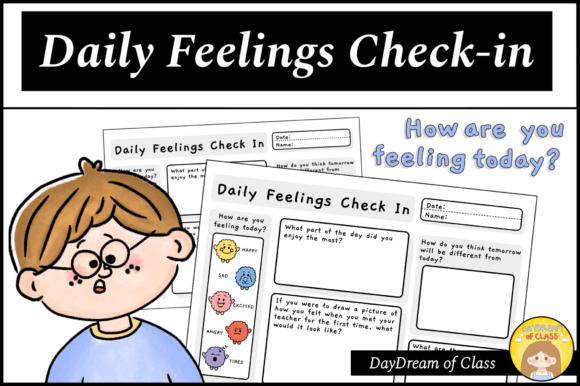
This worksheet fits naturally into morning routines or transition periods. It gives children a moment to pause and notice how they feel before moving on. The visual layout keeps reflection simple and pressure-free. Often paired with emotion charts, it helps normalize daily emotional check-ins. This supports regulation by making emotions part of the routine.
Many educators pair this type of reflection with printable emotion charts that help kids express feelings visually throughout the day.
Feelings Check-In Worksheet
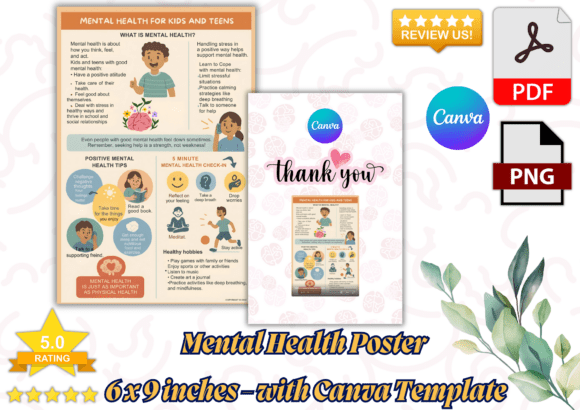
This worksheet focuses on naming emotions in a clear, approachable way. It’s useful when children struggle to verbalize feelings. The format encourages quiet reflection without forcing discussion. Many classrooms keep it available for independent use. It supports emotional literacy through gentle repetition.
Morning Feelings Faces Check-In
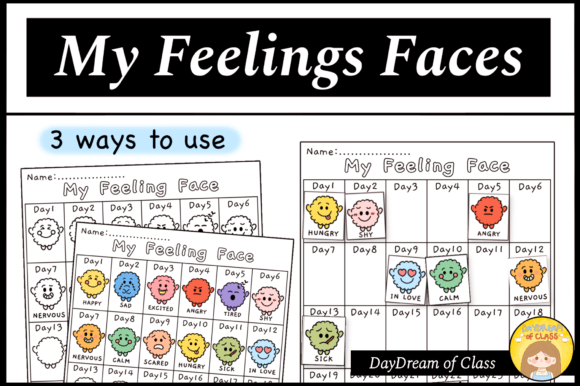
This visual check-in works especially well for younger learners. It’s ideal at the start of the day, when emotions may shift quickly. Children can point to a face that matches how they feel, without needing words. The simplicity helps reduce emotional overload. It supports calm transitions into learning time.
Feelings & Emotions Monthly Tracker
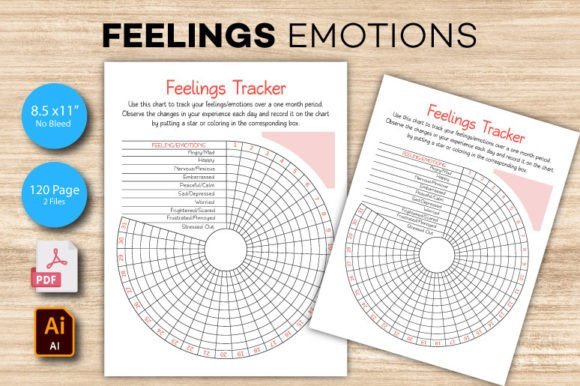
This tracker helps children observe emotional patterns across time. It’s often used during longer routines or monthly reflections. The focus stays on noticing, not evaluating. Educators use it to open gentle conversations about emotions. It supports awareness without labeling feelings as good or bad.
Kindness Worksheets
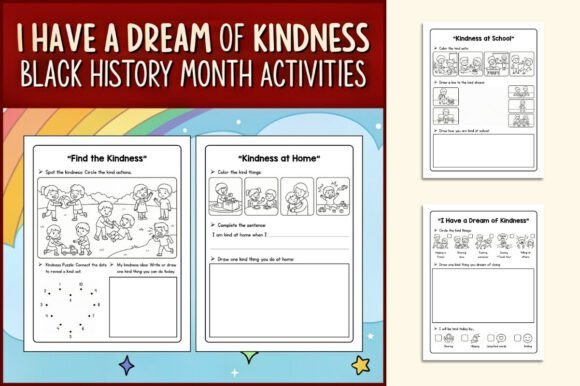
These worksheets connect emotions with empathy and kindness. They work well during discussion-based lessons or themed weeks. The activities encourage perspective-taking rather than rule-following. This makes them especially helpful in group settings. Emotional learning happens through shared understanding.
Feelings Check-In Journal for Kids
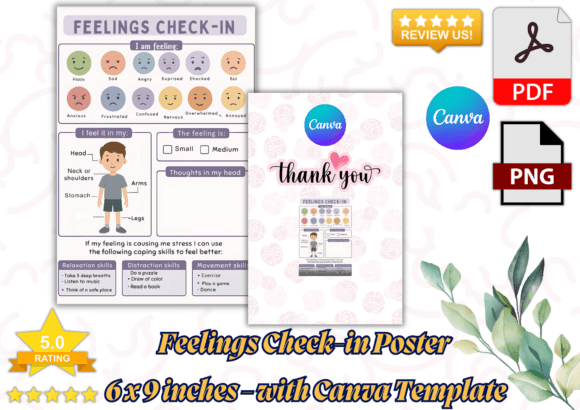
This journal offers space for ongoing emotional reflection. It fits naturally into quiet time or daily routines. The prompts are gentle and predictable, which helps build comfort. Many educators use it to support emotional consistency. It encourages familiarity with feelings rather than avoidance.
Cute Feelings & Emotions Coloring Pages
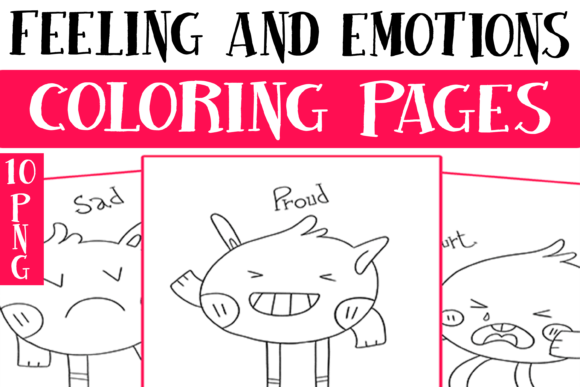
These coloring pages introduce emotions through soft visuals and creativity. They’re helpful during calm-down moments or creative breaks. Coloring allows emotional processing without verbal demands. The activity feels soothing while still meaningful. It’s an easy way to explore feelings gently.
All About Me Worksheet
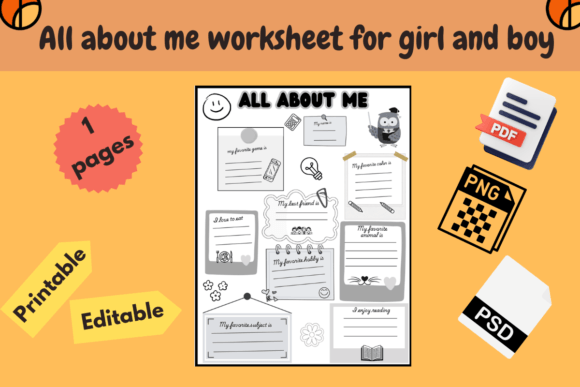
This worksheet helps children connect emotions with identity and preferences. It’s often used at the beginning of a new routine or school year. The prompts feel personal but not intrusive. Educators use it to better understand emotional needs. It supports self-awareness in a calm way.
Anger Management Worksheets
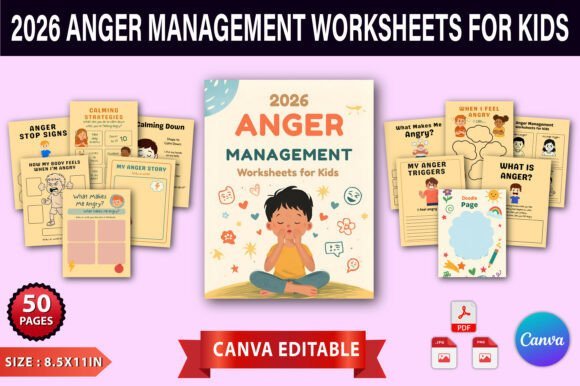
These worksheets focus on understanding and managing anger without judgment. They’re useful when emotions feel intense or overwhelming. The activities encourage reflection rather than correction. Often paired with calm-down strategies, they help children feel supported. Emotional regulation becomes approachable.
These worksheets are often most effective when used alongside calm down cards for kids that guide regulation during intense emotional moments.
Kids Coping Skills Journal
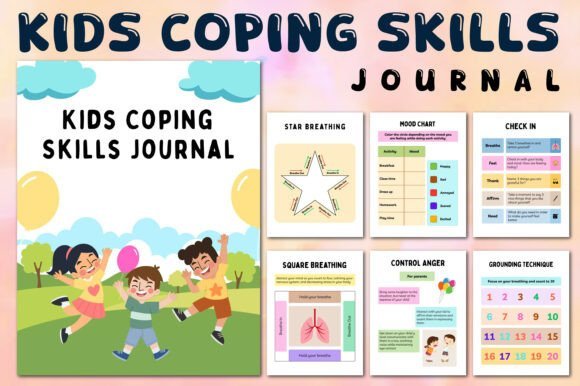
This journal introduces coping strategies through clear, guided prompts. It works well during quiet reflection time. The structure keeps emotions manageable and contained. Educators often include it in regular routines. It helps children feel prepared for emotional moments.
Coping Skills Journal (2025)
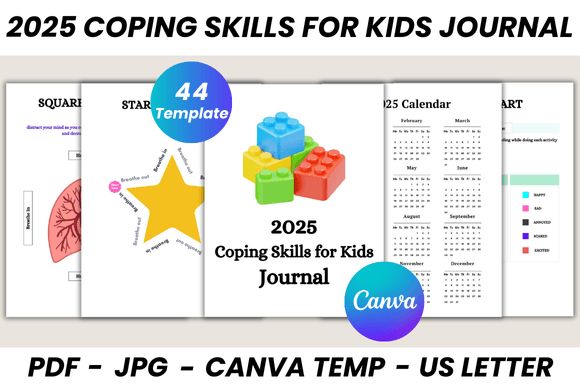
This version supports long-term emotional growth. It’s helpful when routines stay consistent across weeks. The prompts feel reassuring rather than demanding. Many learning spaces use it for steady check-ins. Emotional learning remains calm and familiar.
Kids Coping Skills Journal (Version 2)
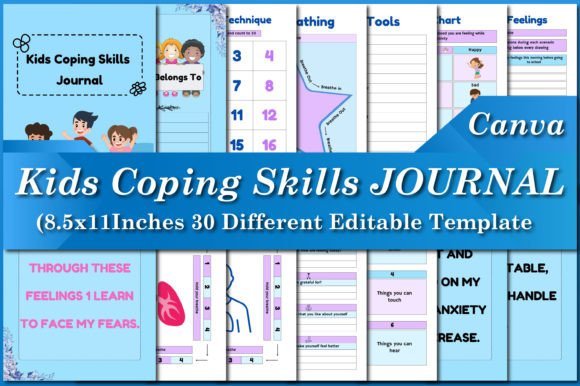
This journal offers flexibility for different emotional needs. It pairs well with worksheets and check-ins. The format stays predictable, reducing overwhelm. Educators use it selectively. It supports emotional comfort.
Kids Coping Skills Journal
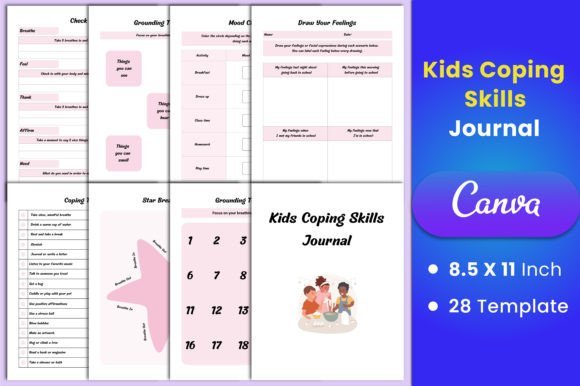
This journal works as a reliable emotional support tool. It’s helpful during transitions or resets. Familiar prompts make reflection easier. Educators return to it regularly. It supports emotional safety.
Self-Control Activity Book
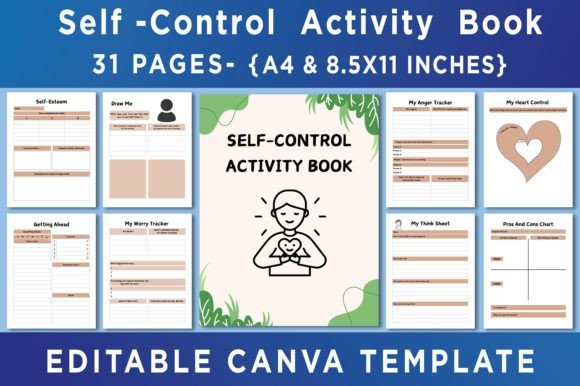
This activity book supports emotional regulation through simple, focused tasks. It works well during structured learning time. The activities encourage pause and reflection. Emotional learning feels grounded. The tone stays calm and supportive.
Self-Control Activity Book (2024)
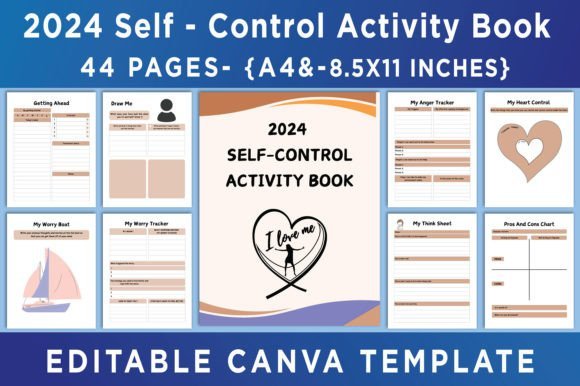
This version reinforces emotional consistency. It’s often used when routines need strengthening. The exercises feel familiar. Educators rely on it for stability. Emotional regulation stays approachable.
Editable Self-Control Activity Book
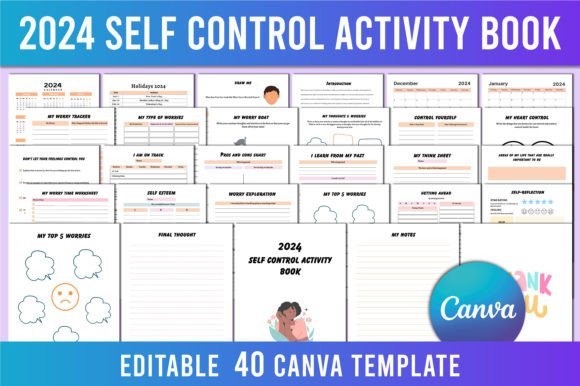
The editable format allows routines to be tailored to emotional needs. It’s useful in varied learning environments. The structure remains predictable. Flexibility supports calm learning. Emotional support stays consistent.
Blank Affirmation Pages
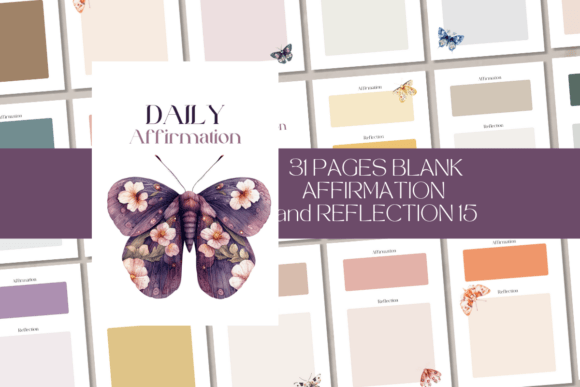
These pages invite positive emotional language. They’re often used during reflection or quiet moments. Writing affirmations builds confidence gently. The open format keeps it flexible. Emotional routines feel supportive.
Love Jars Coloring Pages
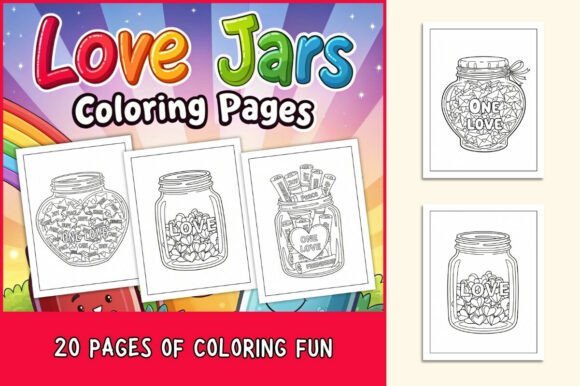
These pages link emotions with care and kindness. They’re well suited for creative quiet time. The activity feels soothing. Emotional expression stays gentle. It adds warmth to routines.
Feelings & Emotions Workbook
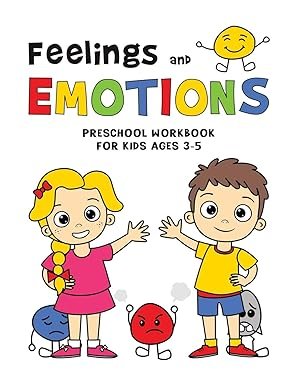
This workbook introduces emotions through age-appropriate activities. It works well for guided sessions. The structure supports repetition. It pairs easily with worksheets. Emotional learning stays steady.
Emotion Plush & Feelings Tool
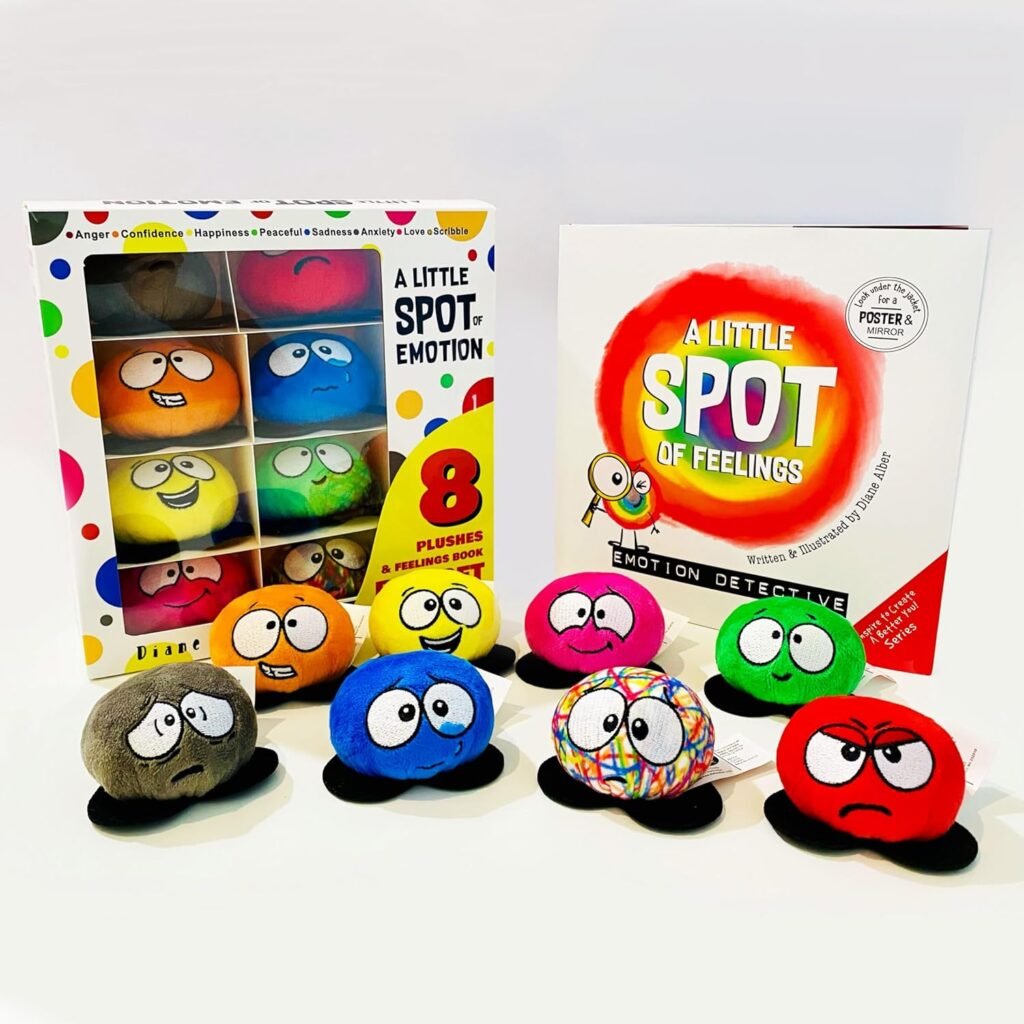
This tactile tool supports emotional understanding through touch. It’s often used alongside worksheets. The plush format makes emotions approachable. It’s helpful during calm-down routines. Comfort becomes part of learning.
Feelings Book for Young Learners
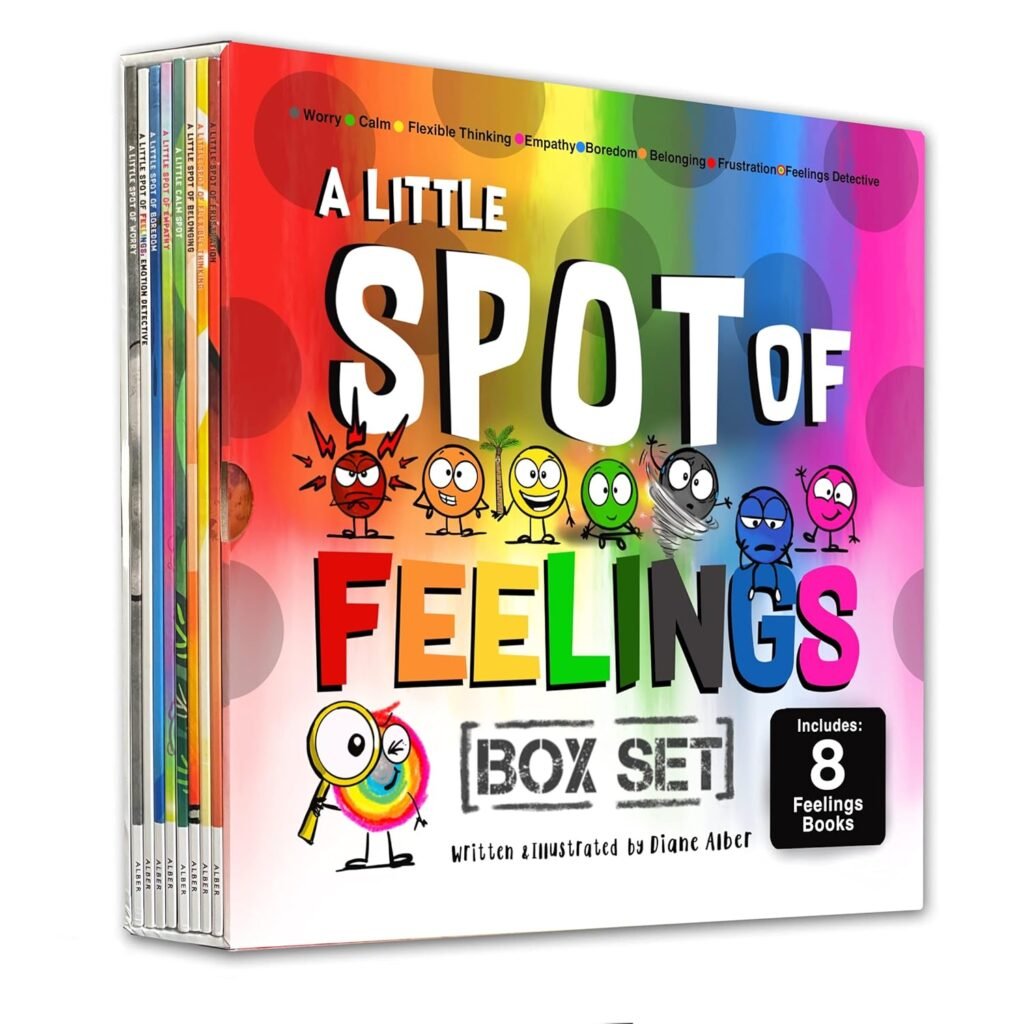
This book introduces emotions visually and gently. It fits well into story time. The illustrations support understanding. It complements worksheets naturally. Emotional learning feels light.
Anger Management Workbook
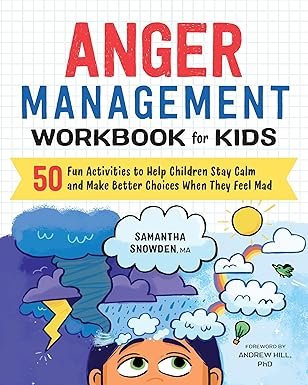
This workbook focuses on strong emotions with care. It’s useful during frustration. The activities guide reflection. It pairs with calm strategies. Emotional support feels balanced.
Body Signals & Emotions Book
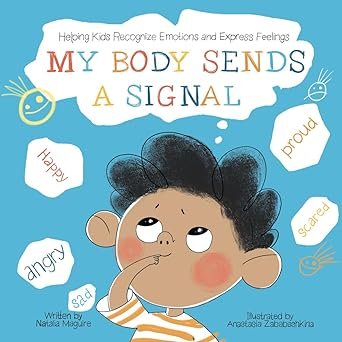
This book helps connect physical sensations with emotions. It’s often used during awareness lessons. The approach feels intuitive. Understanding supports regulation. It fits naturally into emotional routines.
Feelings worksheets for kids work best when they feel safe, simple, and consistent. These tools help make emotions part of everyday learning — something to notice, name, and support with care. Thank you for being here. Save this article on Pinterest, return later, or explore similar ideas whenever you need calm emotional learning tools.