Positive Behavior Printables That Support Calm, Confident Kids
Positive behavior printables can quietly change the tone of a learning space. Not by controlling behavior, but by supporting it — through clarity, routine, and gentle encouragement. For homes, classrooms, and homeschool environments, these tools help children understand expectations, feel capable, and stay emotionally regulated without pressure or punishment.
Positive reinforcement works because it shifts the focus from mistakes to progress. Instead of asking children to “behave better,” it offers structure that makes good choices easier. While traditional behavior charts can be helpful for some, they don’t work for every child or every situation. For a closer look at how structure can support routines without pressure, behavior charts and reward charts for kids offer visual guidance that helps expectations feel clear and calm. Many learners respond more positively to visual routines, reflection-based worksheets, and kindness-focused activities that feel collaborative rather than evaluative.
That’s where positive behavior worksheets and printables become especially valuable. Used thoughtfully, they support emotional awareness, independence, and consistency — without relying on consequences or constant reminders. This article is part of a broader guide to behavior and emotion worksheets for kids designed to support calm, predictable learning environments. Below is a curated collection of positive behavior activities for kids that fit naturally into calm, supportive learning routines.
Daily Visual Checklist for a Calm Start
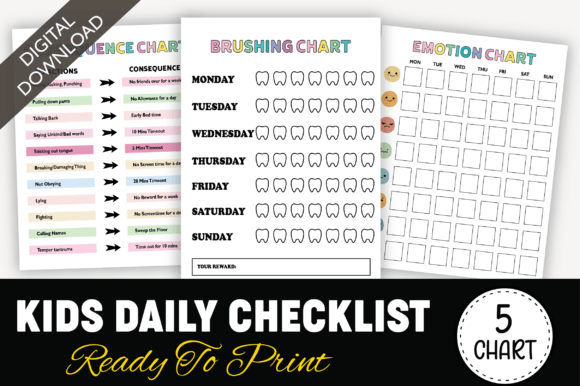
This checklist gently supports daily transitions by turning expectations into a clear visual flow. It works especially well during mornings or after-school routines, when verbal instructions can feel overwhelming. Children can see what comes next, which reduces friction and builds confidence. Many educators use it as a quiet reference point rather than a task list. Over time, it reinforces responsibility in a steady, reassuring way.
Flexible Chore Chart Collection
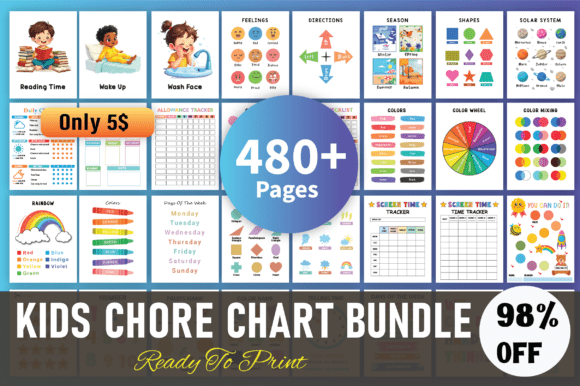
This large bundle is useful when routines need structure without rigidity. It’s often used in shared spaces where children work at different rhythms. Instead of focusing on completion alone, it helps normalize contribution as part of everyday life. The variety allows visuals to be rotated, which helps maintain engagement without pressure. It supports positive behavior through consistency and choice.
Kindness Coloring Pages for Gentle Reflection
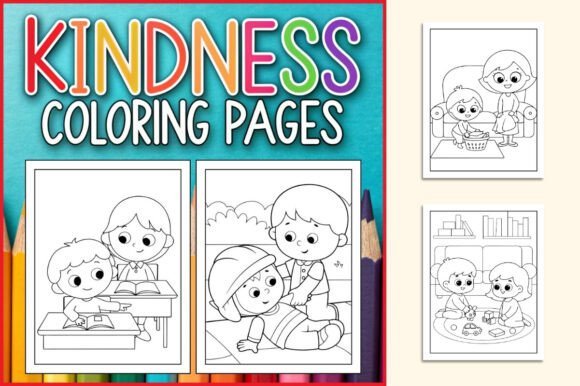
These pages combine creativity with quiet reflection, making them ideal for calm-down moments or morning work. They’re often used after group activities to help reset the emotional tone of the space. The focus on kindness supports internal motivation rather than external approval. Coloring creates space for processing feelings without instruction. This makes the experience both soothing and meaningful.
These reflective activities pair naturally with printable emotion charts that help kids express feelings visually during calm moments.
“All About Me” Behavior Sheet (Sports Theme)
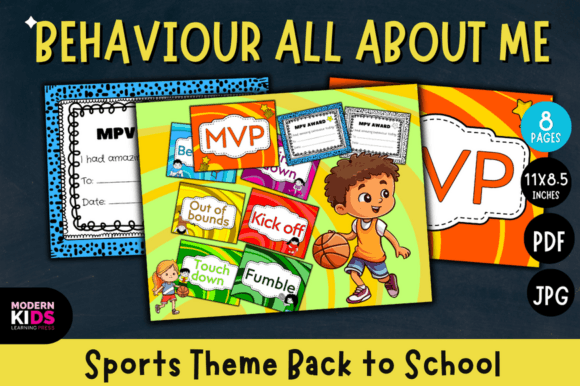
This worksheet helps children connect expectations with personal identity. It’s especially effective at the beginning of a term or when introducing new routines. By highlighting strengths and preferences, it frames behavior as something flexible and personal. Educators often use it to open conversations instead of correcting actions. The result is a more respectful, collaborative approach to behavior support.
Kindness Worksheets with Cultural Context
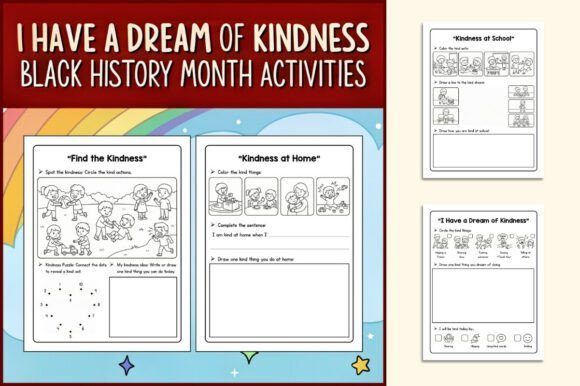
These worksheets support positive behavior through empathy and awareness. They’re often used during discussion-based lessons where values matter more than rules. Instead of focusing on compliance, they encourage thoughtful actions and reflection. This approach helps children understand why behavior matters, not just what is expected. It works well in classrooms that prioritize dialogue and respect.
Random Acts of Kindness Bingo
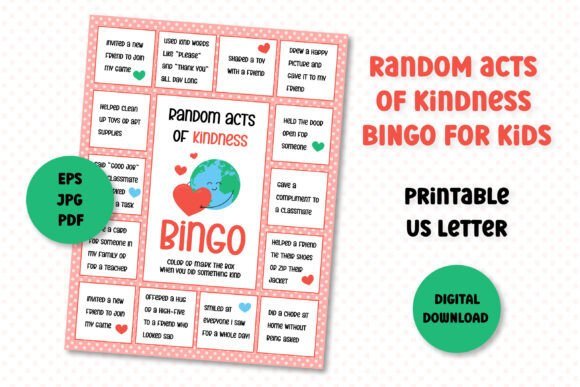
This bingo-style activity turns kindness into a shared experience. It’s often introduced during themed weeks or group challenges. The playful format keeps engagement high without pressure or comparison. Because it isn’t tied to strict rewards, participation tends to feel more genuine. It supports positive behavior by making kindness visible and approachable.
Kindness Action List for Guided Practice
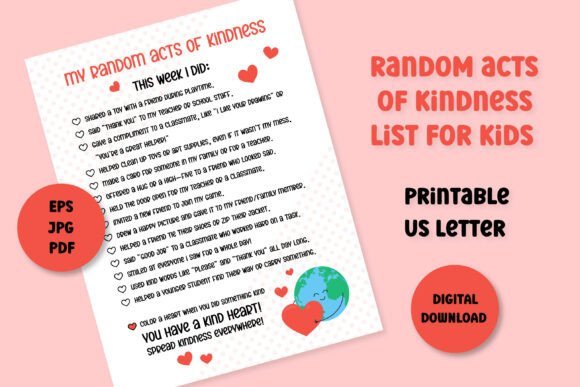
This printable provides clear examples of positive actions children can practice. It works well during structured reflection time or as part of a weekly routine. Many educators keep it available for moments when guidance is needed without correction. The list feels supportive rather than demanding. It reinforces behavior through awareness and choice.
Sharing & Cooperation Coloring Pages
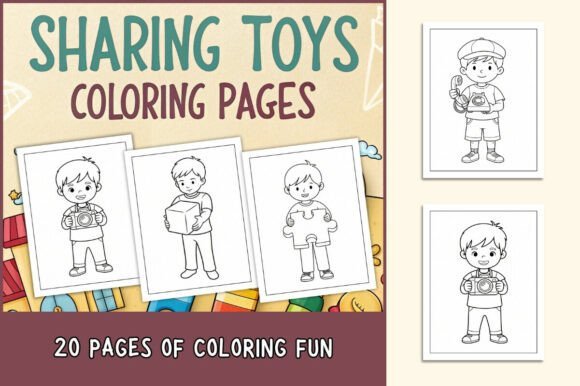
These pages are useful after playtime or during social skills lessons. They help children process common situations like sharing in a calm, low-pressure way. The act of coloring supports emotional regulation while reinforcing social understanding. This makes them especially helpful for younger learners. The message feels natural rather than instructional.
“I Can Help” Confidence-Building Worksheets
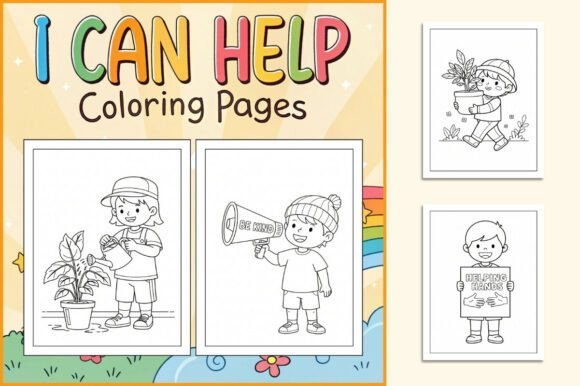
These worksheets encourage children to see themselves as capable contributors. They’re often used when building independence or reinforcing classroom roles. The focus on effort reduces anxiety around expectations. Over time, this supports a more confident relationship with responsibility. The tone stays encouraging and steady.
Long-Term Chore Charts (2026)
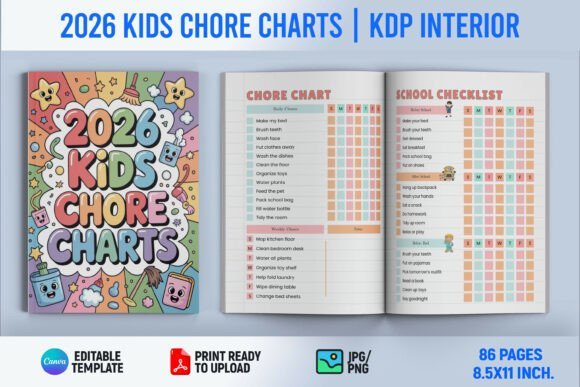
These charts support consistency across longer periods of time. They’re useful in environments where predictability helps children feel secure. The dated format clarifies expectations without urgency. Many families use them as visual references rather than reward trackers. This supports calm, sustainable routines.
Simple Task Checklist
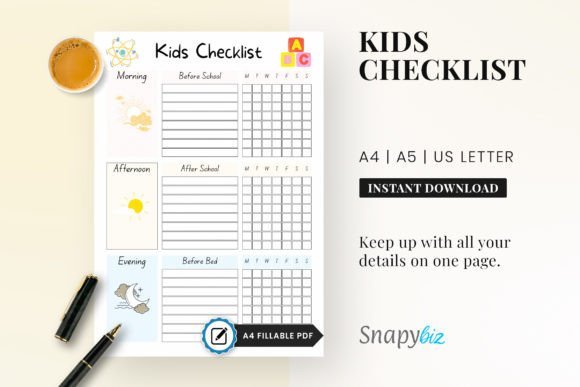
This checklist works well when instructions need to be clear but unobtrusive. It’s often placed on desks or walls for quiet reference. By breaking tasks into steps, it supports self-regulation and independence. Educators use it to reduce repeated reminders. The structure feels supportive rather than controlling.
Educational Behavior Poster
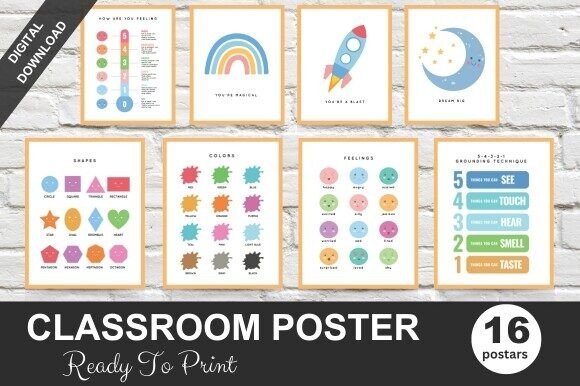
Posters like this reinforce expectations passively throughout the day. They’re placed where children naturally look during routines. Instead of correcting behavior, they provide consistent visual cues. This reduces the need for verbal intervention. It’s a subtle but effective learning tool.
Task & Reward Planner
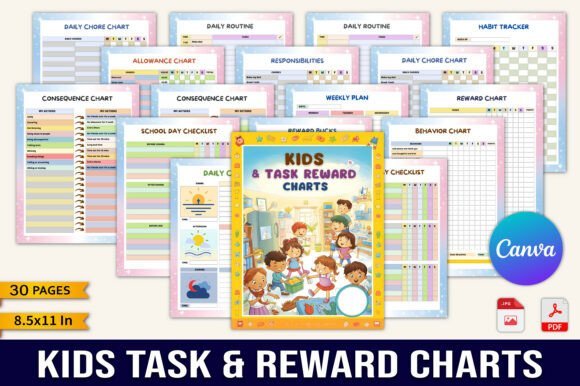
This planner is helpful when structure is needed but flexibility still matters. It’s often used during short goal-setting periods. When paired with encouragement, it highlights effort rather than outcomes. Educators tend to use it intentionally rather than constantly. This keeps motivation balanced and calm.
Screen Time Boundary Checklist
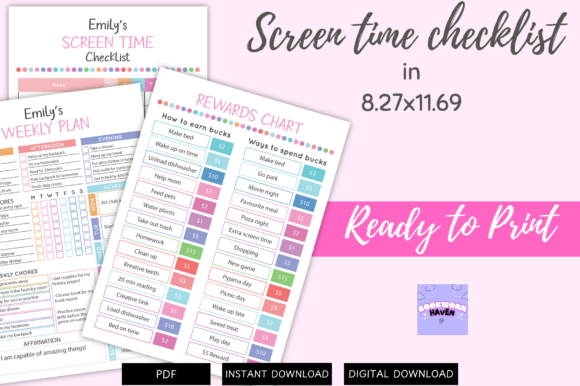
This checklist helps set boundaries without conflict. It’s especially helpful during transitions away from screens. Clear expectations reduce the need for repeated reminders. Many families use it as a shared agreement. It supports respectful, predictable routines.
Minimal Classroom Rules Posters
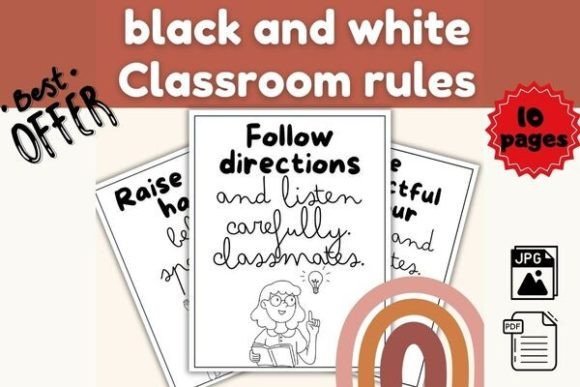
These posters offer clarity without visual overload. They work well in calm learning environments. Expectations are communicated quietly and consistently. This helps maintain structure without overstimulation. The tone remains neutral and supportive.
Reward Chart Placement Guide
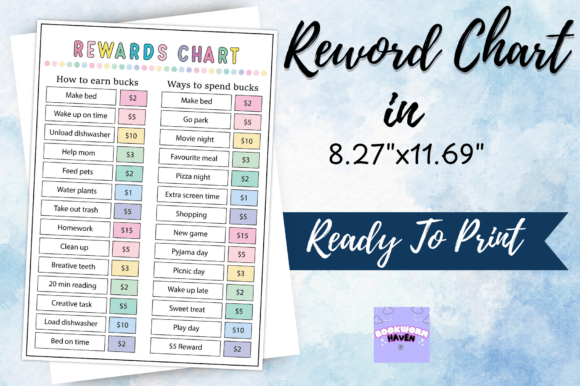
This resource helps educators use charts more intentionally. It’s especially helpful when traditional systems haven’t worked well. By focusing on context and placement, it reduces pressure and comparison. It supports a more mindful approach to reinforcement. The result feels balanced and respectful.
Task & Reward Charts (2026 Edition)
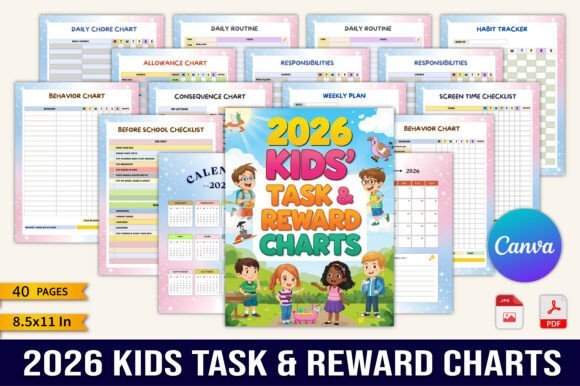
These charts are designed for predictable, long-term routines. They work best when used as guidance rather than evaluation. Consistency helps children feel secure. When paired with encouragement, they support responsibility without stress. The structure remains gentle and clear.
Classic Reward Chart
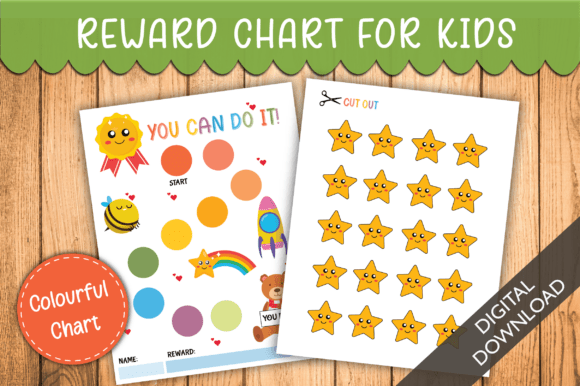
This chart is most effective when introduced during routine-building phases. It works as a visual reminder rather than a scorecard. Educators often pair it with reflection instead of rewards. This keeps motivation internal. The tone stays calm and constructive.
Daily Chores Visual Chart
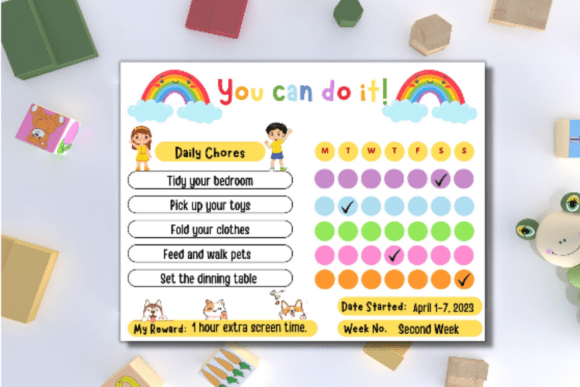
This chart helps clarify daily expectations in shared spaces. It reduces negotiation and repeated instructions. Children can see responsibilities clearly and independently. The structure supports consistency. It fits well into positive behavior systems.
Behavior Reflection & Reward Chart
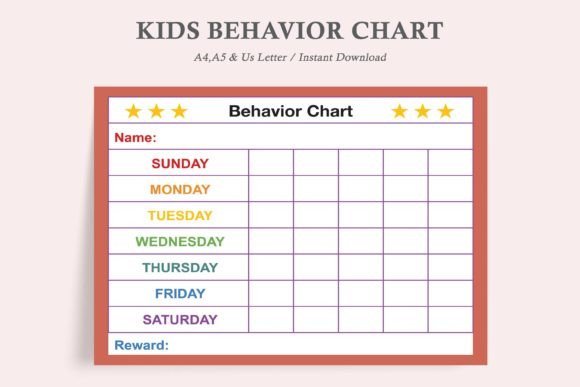
This printable combines tracking with reflection. It’s often used for short periods rather than daily monitoring. The focus stays on learning and growth. Educators use it selectively to avoid pressure. It supports thoughtful behavior support.
Unicorn-Themed Reward Chart
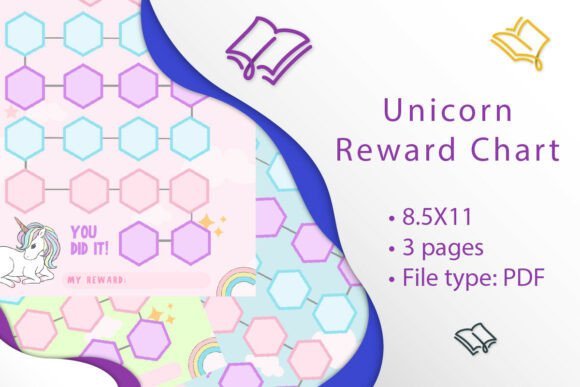
The friendly theme helps soften routine-building. It’s especially useful for younger learners. Visual interest keeps engagement light. Used intentionally, it supports motivation without stress. The experience feels encouraging.
Outer Space Reward Chart
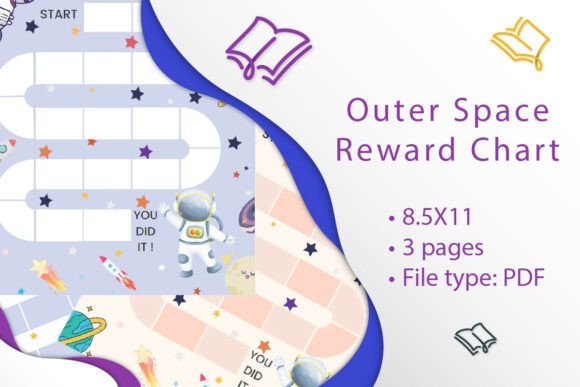
This chart adds imagination to structure. It’s often used during themed weeks or focus periods. Visual engagement helps maintain interest without overstimulation. When framed positively, it supports confidence. The tone remains playful yet calm.
Think Sheet for Calm Reflection
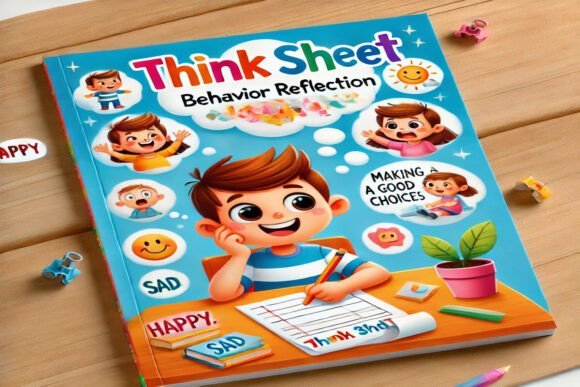
Think sheets work best after challenging moments. This one encourages reflection without shame. It helps children understand choices and emotions. Educators often use it privately. It supports emotional regulation and learning.
Supportive Behavior Tools (Amazon)
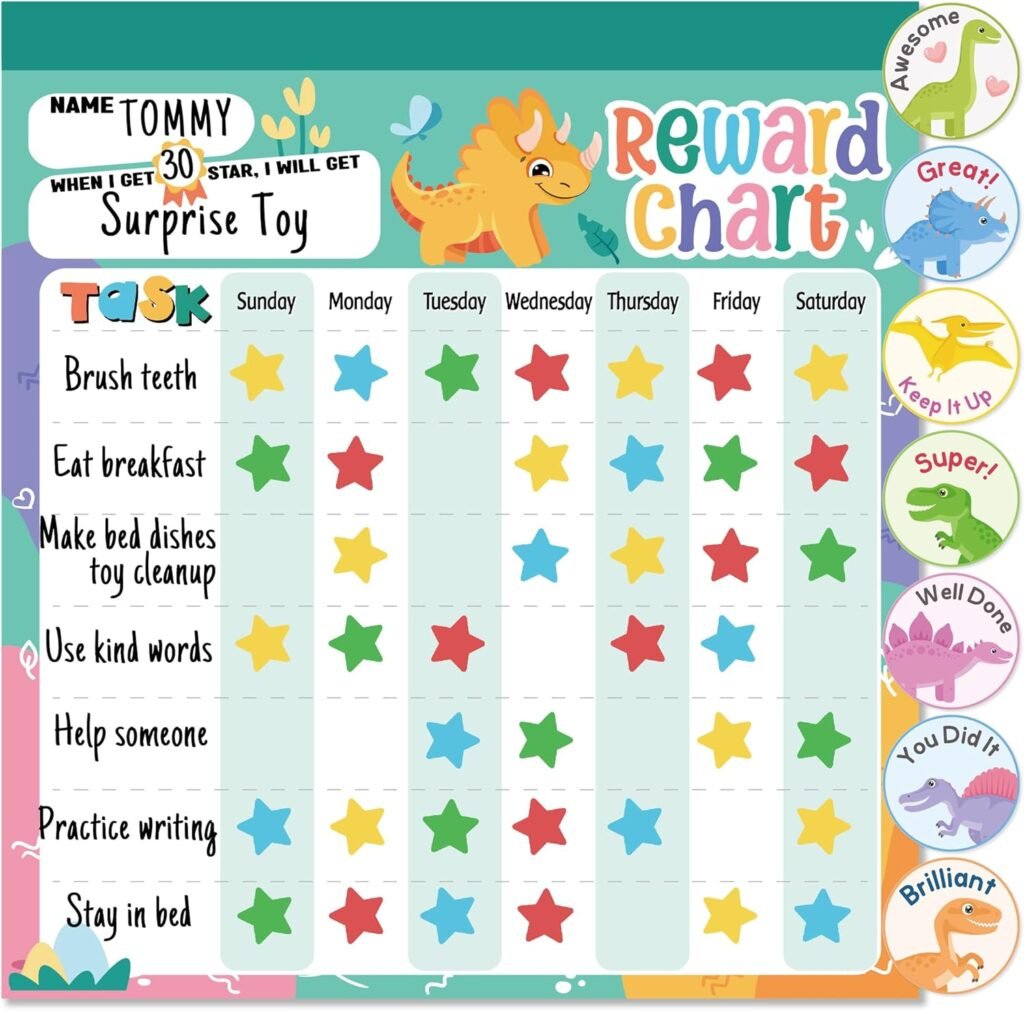
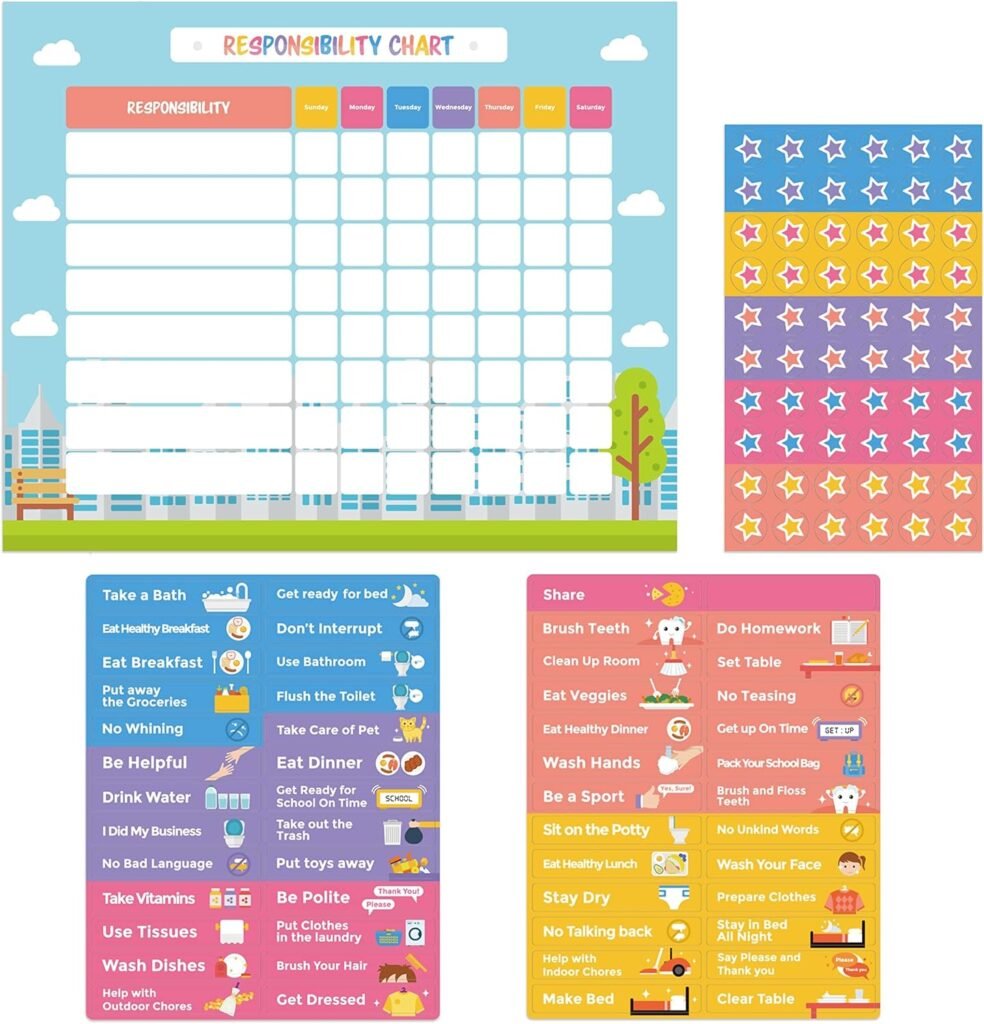
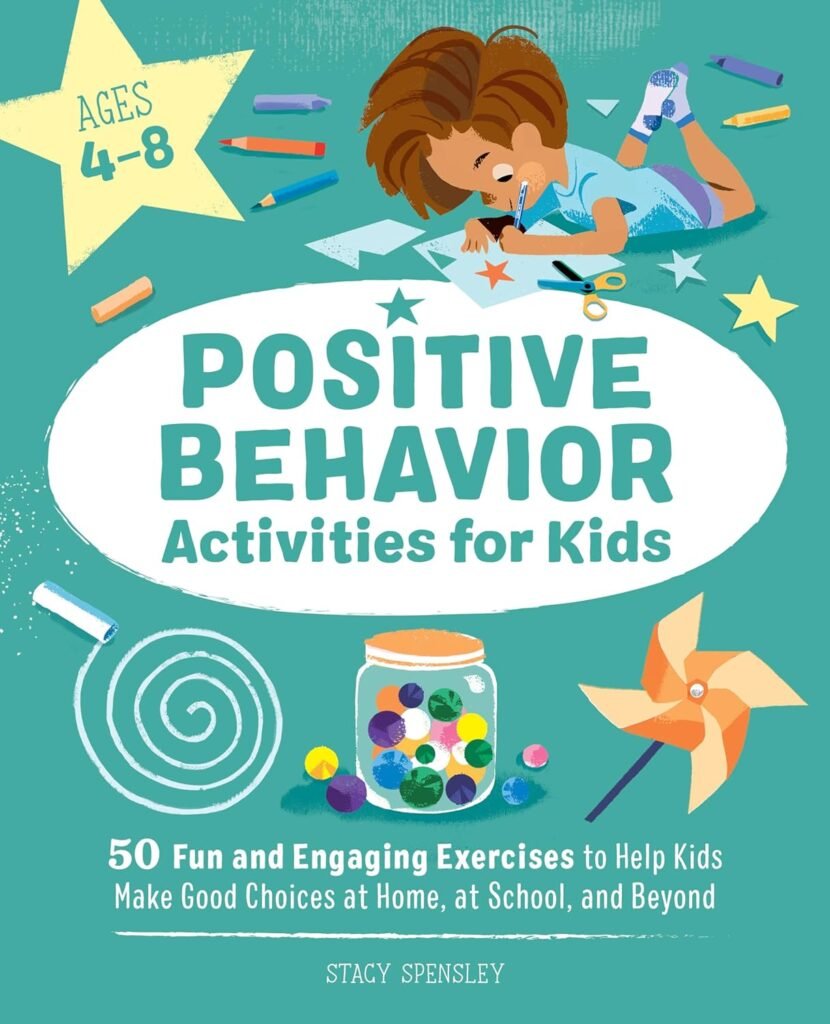
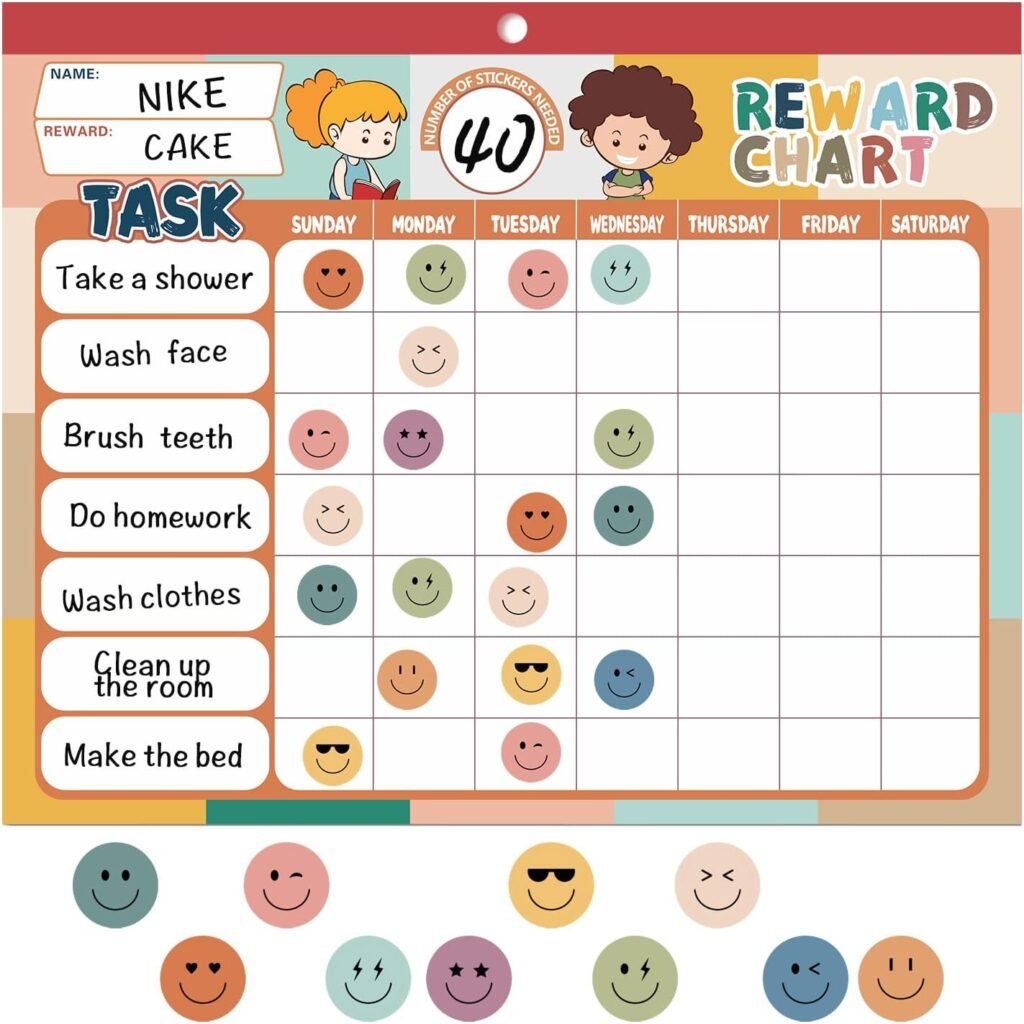
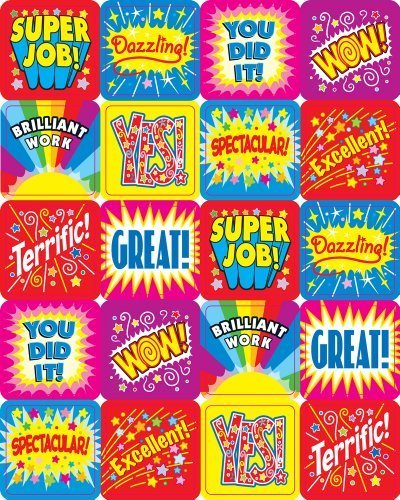
These tools complement printables by shaping the environment. They’re often used during transitions or quiet moments. Many educators keep them available rather than introducing them reactively. This supports consistency and emotional safety. Together, they enhance positive behavior activities for kids.
Positive behavior printables work best when they feel like support, not supervision. Small, thoughtful tools can create calmer routines, clearer expectations, and more confident learners over time. Thank you for being here — feel free to save this article for later or explore similar resources when it feels right.