Visual Schedules for Autistic Kids That Create Calm Learning Days
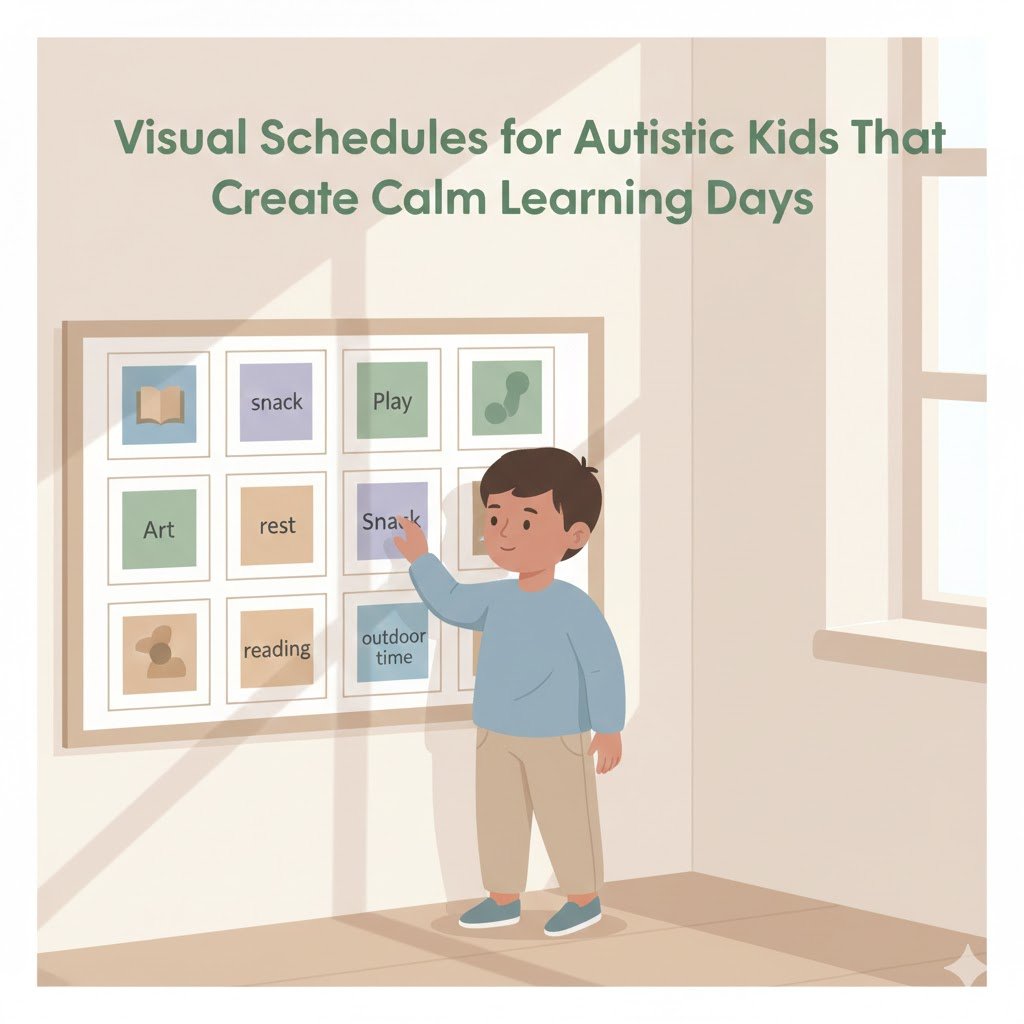
Visual schedules for autistic kids are often chosen when routines need to be clear, visible, and easy to follow. Instead of explaining plans over and over again, visual schedules show what comes next — using simple, ready-to-use printables that fit naturally into home or classroom routines.
The right visual tools don’t rush learning or demand perfection. Instead, they quietly support transitions, clarify expectations, and reduce the mental load that comes with uncertainty.In learning spaces where visual structure works best alongside reduced sensory input, sensory-friendly learning support tools can help routines feel even calmer and easier to follow. Below is a carefully selected collection of visual schedules and autism visual supports printable, chosen for their ability to fit naturally into calm, supportive learning routines.
Visual Picture Schedule Icons
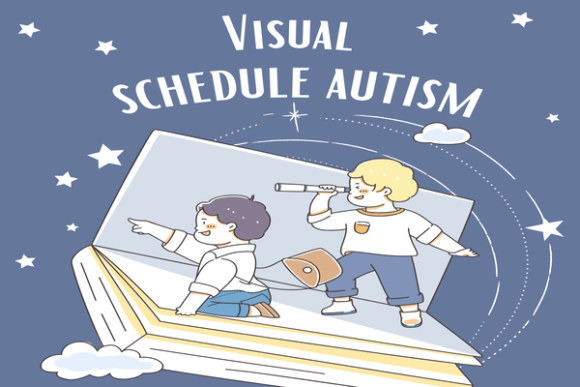
This icon set offers a clean, minimal visual language that makes daily plans easier to understand at a glance. It works especially well when routines need to stay consistent but flexible — such as outlining a school day, therapy-free learning blocks, or home activities. The icons can be arranged on boards, folders, or walls to visually guide the flow of the day. Because everything is shown rather than explained, transitions often feel less abrupt. Having these visuals ready helps routines feel steady and predictable.
Daily Routine Cards
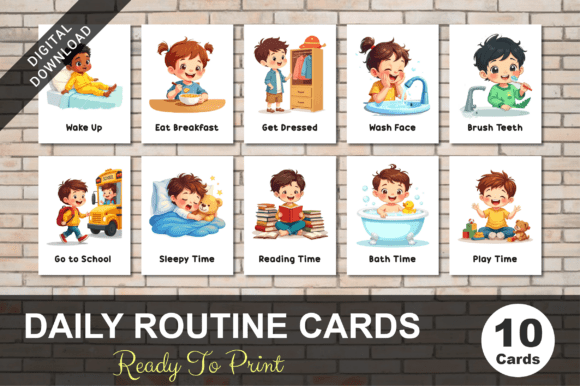
These cards gently map out everyday activities in a clear visual sequence. They’re often helpful during moments when verbal reminders feel overwhelming or repetitive. By showing what comes next, the cards support smoother movement between tasks without pressure. They fit easily into home learning spaces or classrooms where structure needs to feel supportive rather than strict. The overall effect is a calmer rhythm throughout the day.
Daily Routine Cards for Kids – Set 2
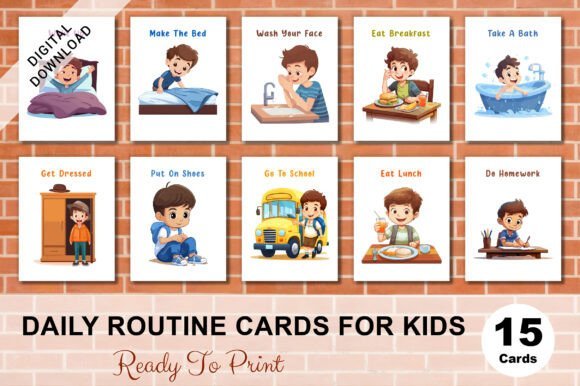
This second set brings visual variety while keeping routines familiar. It’s useful when engagement starts to fade but the structure itself still works well. These cards can be rotated into existing autism visual schedules without changing expectations. They support clarity during learning time, play, or daily care routines. The familiar format helps maintain comfort while refreshing visual interest.
260 Picture Icons for Communication
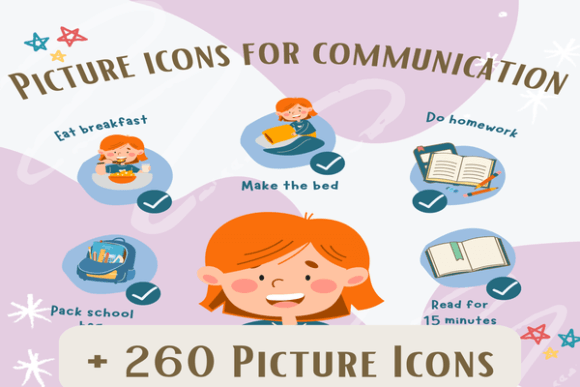
This large icon collection supports communication through clear visual cues. It’s especially helpful when choices, needs, or plans are easier to express visually than verbally. These icons can be paired with visual schedules to support understanding throughout the day. The wide range makes it easy to personalize routines for different settings. Keeping them accessible often helps interactions feel calmer and more cooperative.
Kids Daily Checklist Printable
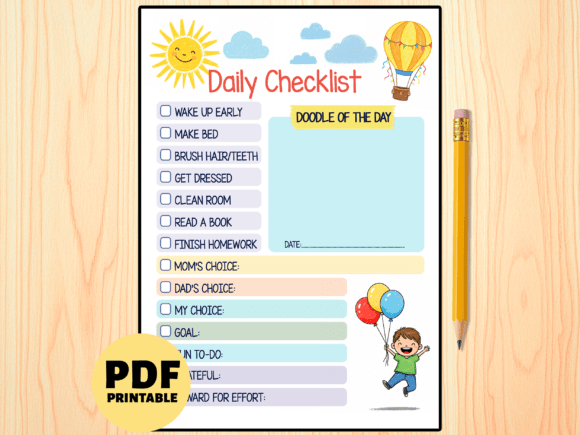
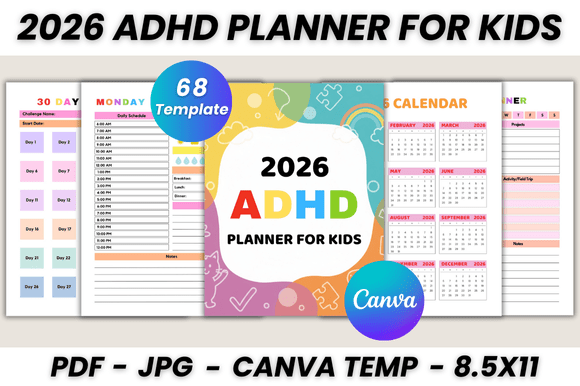
This checklist breaks the day into manageable steps that can be followed at a comfortable pace. It works well during independent learning time or structured routines where tasks need gentle guidance. Seeing progress visually can feel reassuring without creating pressure. The format supports focus while keeping expectations clear. It fits naturally into autism visual supports printable collections.
Printable Class Schedule for Kids
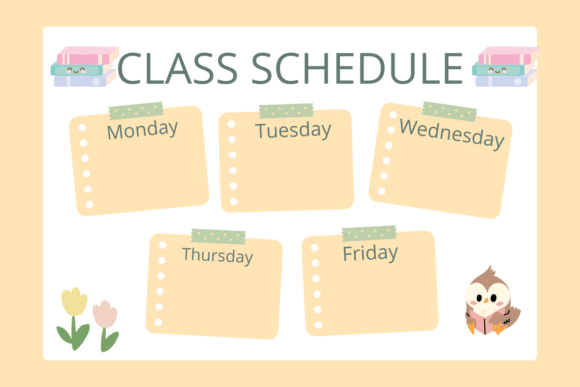
This schedule brings structure to learning blocks without overwhelming the day. It’s useful in homeschool settings or classrooms where subjects and activities need clear boundaries. The visual layout supports smoother transitions between lessons. When the day is visible, learning time often feels more manageable. It’s a steady anchor for consistent routines.
Routine Transitions Autism Workbook
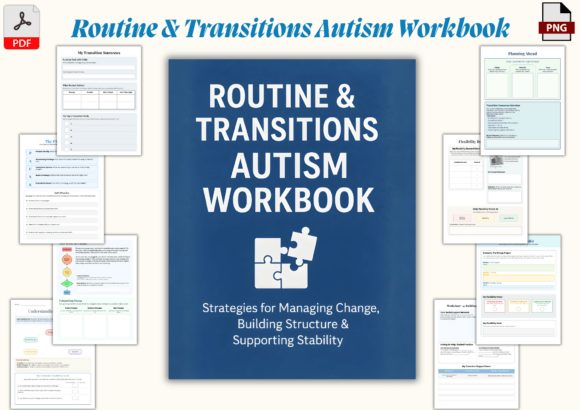
Transitions can be one of the most challenging parts of any routine, and this workbook focuses specifically on that space. It supports preparing for changes before they happen, rather than responding in the moment. The activities work best when introduced gradually as part of a calm learning routine. This makes schedule shifts feel less disruptive. Preparation often leads to smoother, more confident transitions.
School Child Schedule Clock – Version 4
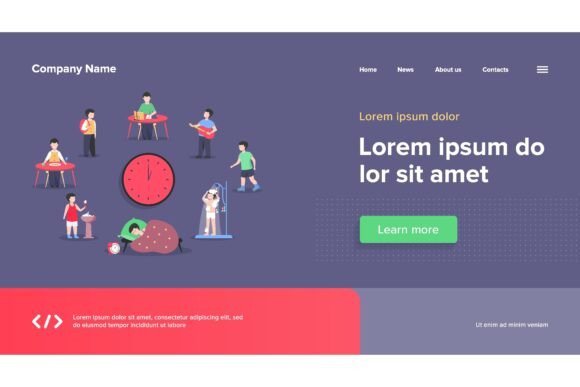
This visual clock helps connect time with routine in a concrete way. It’s useful when understanding how long an activity lasts matters more than reading traditional time. The circular layout shows progress visually, which can reduce anxiety around waiting or transitions. It fits well into school-style days or structured learning hours. Time feels clearer and less abstract.
Kids Daily School Checklist
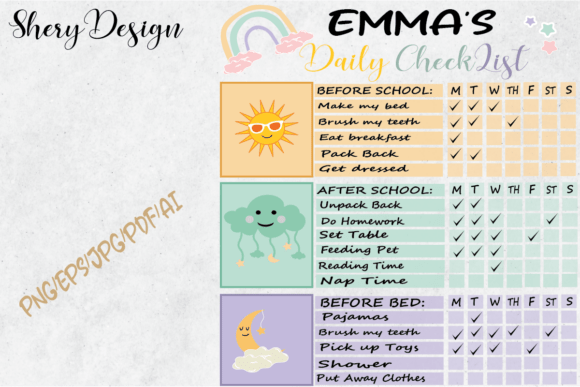
This checklist supports organization across the school day without adding pressure. It works well at the start or end of learning time to review what’s coming or what’s done. The visual format keeps attention on one step at a time. It’s especially helpful when routines repeat daily. Consistency supports calm learning environments.
Unicorn Kids Routine Printable Set
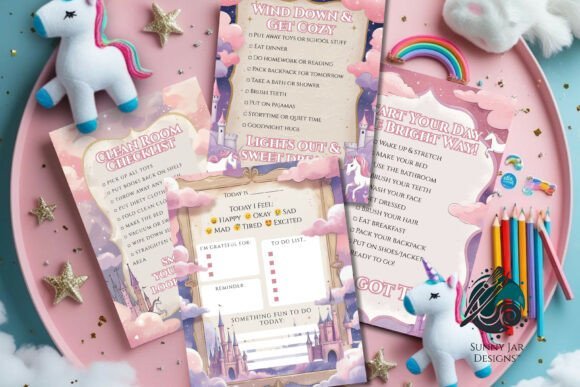
This themed routine set brings a soft, friendly tone into daily schedules. It’s helpful when visuals need to feel inviting rather than clinical. The gentle design supports familiar routines while keeping things approachable. It works well in home learning spaces or quiet corners. The visual warmth encourages participation without overstimulation.
Daily Routine Cards – Set 3
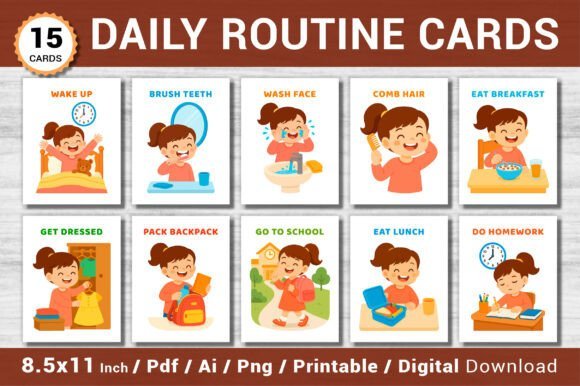
This set adds another option for building visual routines while keeping structure consistent. It’s useful when different spaces or parts of the day benefit from different visuals. The cards support transitions between learning, play, and rest. Their clarity helps reduce uncertainty. They integrate smoothly into autism visual schedules.
My Emotions
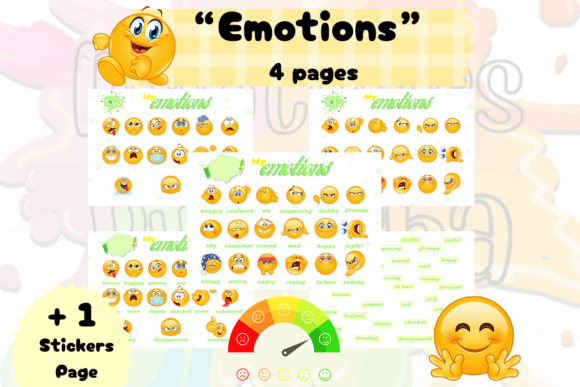
This resource focuses on recognizing and naming emotions visually. It works well during calm moments when emotional awareness can be explored gently. The cards can be paired with daily schedules to check in throughout the day. This helps connect routines with emotional understanding. The approach remains supportive rather than corrective.
Non-Verbal Communication Cards Workbook
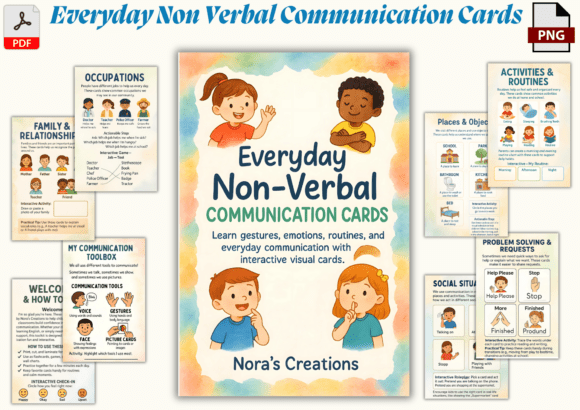
This workbook supports communication through visuals instead of spoken language. It’s useful during structured learning moments where clarity matters. The activities complement visual routine cards autism tools well. Expression becomes easier without pressure to speak. This supports connection through understanding.
School Kids Daily Schedule – Versions 4, 3, 5 & Original



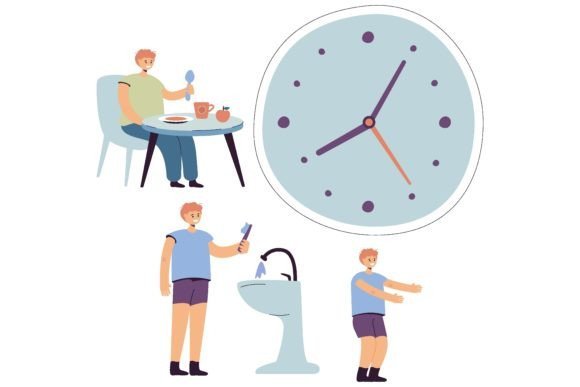
These schedules offer structured layouts for school-style days, with small visual variations to suit different preferences. They’re helpful when days follow a similar pattern and benefit from visual clarity. Each version supports calm pacing between activities. Switching layouts without changing structure helps maintain comfort. Predictability remains the core benefit.
School Child Schedule Clock – R & S2

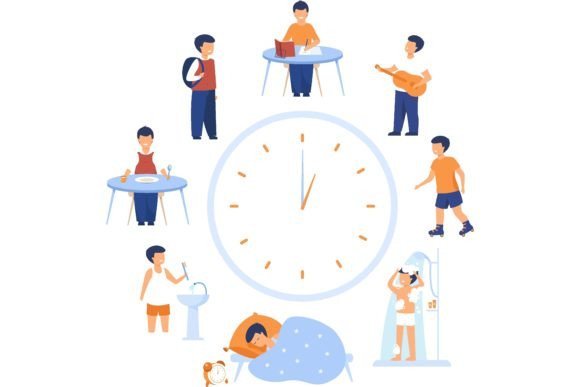
These clock-style visuals offer alternative ways to show time and sequence. They’re helpful when duration matters more than exact timing. The visual progress supports smoother transitions. They work well in structured learning environments. Time becomes easier to understand visually.
Morning Routine Checklist
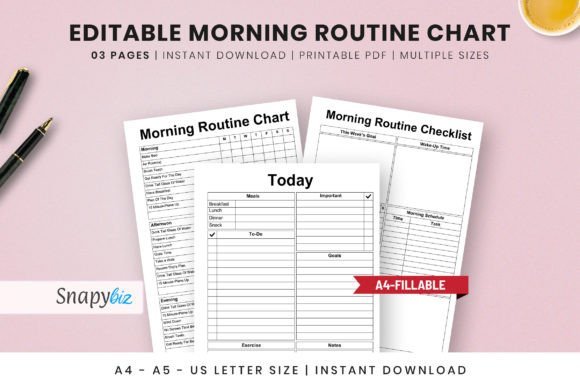
This checklist helps mornings feel calmer by showing each step clearly. It’s especially useful when transitions need extra support early in the day. The visual breakdown reduces decision fatigue. It works well as part of a consistent morning rhythm. A clear start often sets the tone for the whole day.
Editable Schedule Cards – Classroom Decor
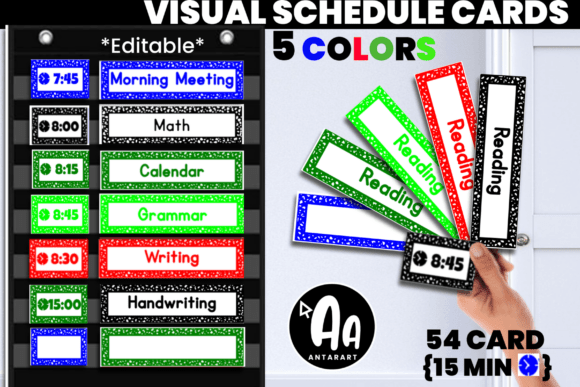
These editable cards allow schedules to adapt to specific learning spaces. They’re useful when routines shift slightly across days or environments. The visual format keeps expectations visible. Customization supports consistency without rigidity. This flexibility helps maintain calm structure.
Bedtime Reward Chart

This chart supports evening routines with gentle structure. It works well when winding down and preparing for rest. Visual progress helps keep routines predictable. The tone remains calm rather than stimulating. Consistent evenings support smoother days.
Amazon Visual Schedule & Routine Books

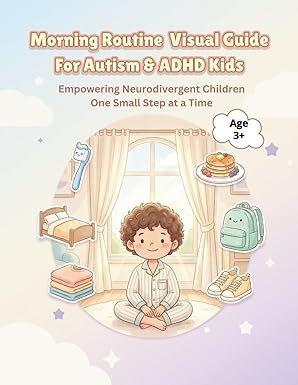


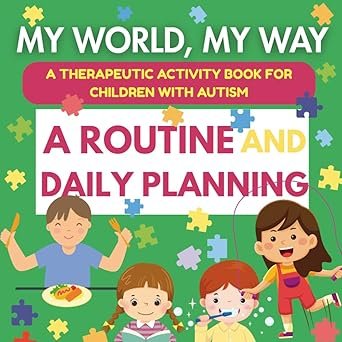

These books use visual storytelling and step-by-step layouts to introduce routines gently. They’re helpful when preparing for changes or reinforcing daily structure through shared reading. The combination of images and narrative supports understanding without pressure. They work well alongside printable autism visual schedules. Visual stories often make routines feel more approachable.
Creating Space for Calm Learning
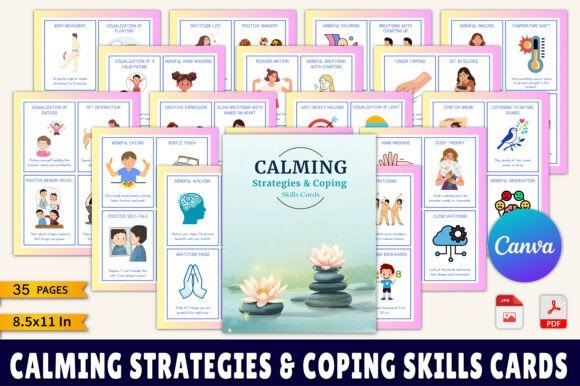
Visual schedules for autistic kids are about support, not control, and when routines or transitions feel overwhelming, adding calm down cards and printables can help emotions settle and keep learning days feeling steady. They help create learning environments where expectations are clear and days feel predictable. Saving this collection makes it easy to return whenever routines change or new ideas are needed.