Homeschool Learning Ideas for Preschoolers That Actually Work
If you’ve recently decided to homeschool your preschooler — or you’re just doing a lot of learning at home alongside regular preschool — the first question is usually the same: where do I even start? There’s so much advice out there, most of it written for older children or for parents with a lot more time and energy than the average day allows.
Here’s the truth: homeschool preschool activities don’t need to be elaborate to be effective. The skills that matter most at this age — letter recognition, number sense, fine motor development, early language — are built through consistent, playful, low-pressure exposure. No formal curriculum required. If you want simple printable activities to anchor your home learning routine, our preschool worksheets cover all the key skill areas in one place. But first — let’s talk about what homeschool preschool should actually look like.
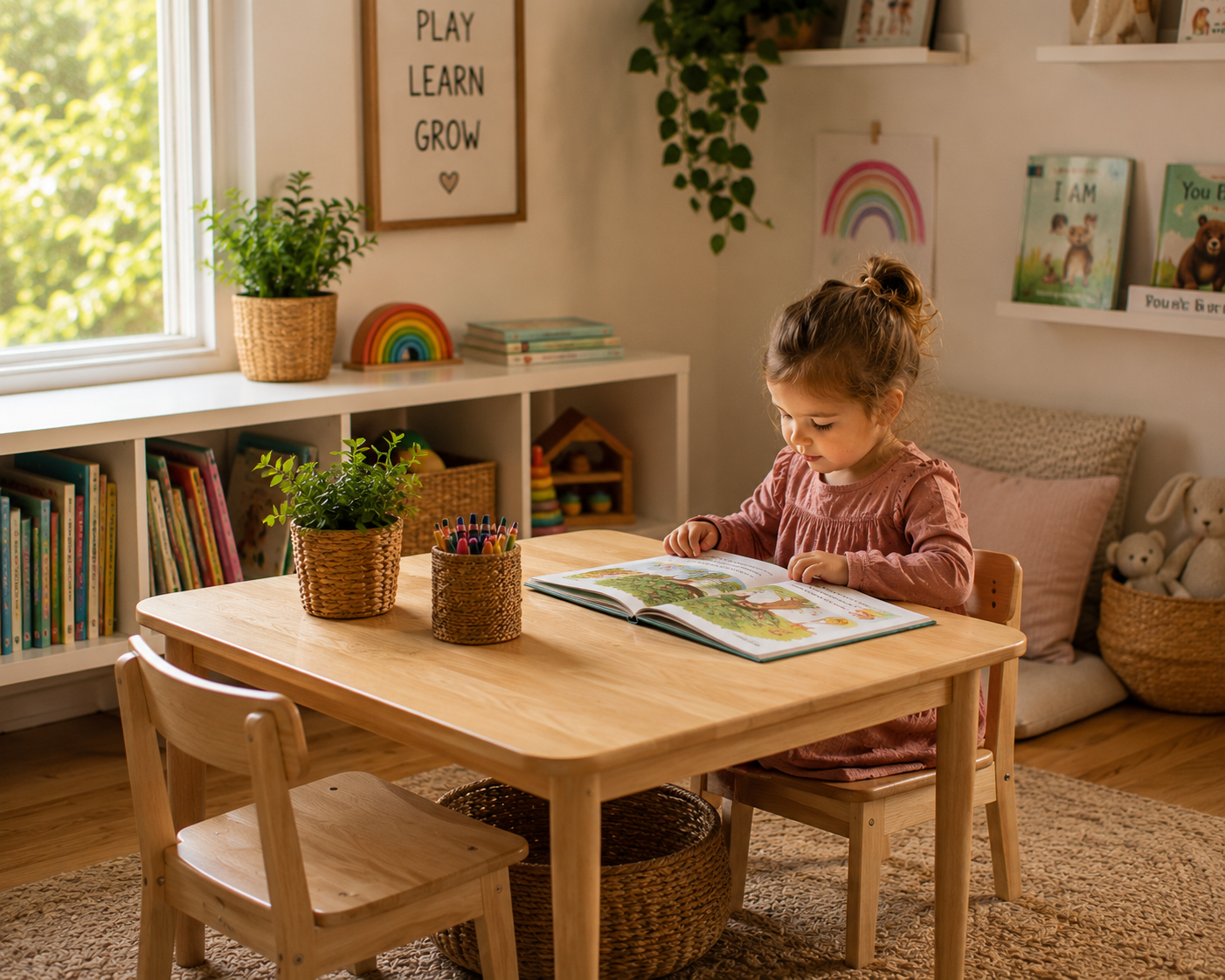
What Homeschool Preschool Activities Should Actually Look Like
Many parents imagine homeschool preschool as a miniature classroom — lesson plans, structured blocks, curriculum packages, dedicated school time. And while some families thrive with that structure, early childhood educators consistently emphasize that the most effective learning for children under age 5 looks nothing like a school day.
Research shows that play-based, child-led learning — with warm adult engagement and rich language — produces stronger developmental outcomes at this age than structured academic instruction. The goal isn’t to run a classroom. The goal is to create an environment rich with interesting things to do, books to read, questions to explore, and short focused activities that build specific skills.
The Core Skill Areas to Cover at Home
Rather than following a formal curriculum, think in skill areas. Cover these consistently and you’re doing everything a preschooler needs:
| Skill Area | What It Includes | Simple Ways to Build It |
|---|---|---|
| Early Literacy | Letter recognition, phonics awareness, print concepts | Daily read-alouds, alphabet activities, letter spotting |
| Early Math | Counting, number recognition, shapes, patterns | Counting objects, number worksheets, sorting games |
| Fine Motor | Pencil control, hand strength, scissor skills | Tracing, playdough, cutting activities, threading |
| Language & Thinking | Vocabulary, listening, asking questions, storytelling | Conversation, read-alouds, imaginative play |
| Independence & Focus | Task completion, self-direction, attention building | Short independent activities, clear routines, choice-giving |
The Best Homeschool Preschool Activities by Skill Area
Alphabet Activities for Homeschool Preschoolers
Letter knowledge builds through repeated, varied exposure — not drilling. The most effective alphabet activities for homeschool settings combine multiple approaches rather than relying on one:
- Name-first approach: Start with the letters of your child’s name. Write it daily, trace it, find it in books. These letters become anchors for the whole alphabet.
- Environmental letter hunts: Pick one letter per week. Find it on cereal boxes, signs, book covers, anywhere. This builds recognition in meaningful real-world contexts.
- Alphabet worksheets: Short tracing and recognition pages reinforce what’s being explored through play. Our alphabet worksheets cover all 26 letters with a consistent, calm format.
Preschool Math Practice at Home
Math at the preschool level is almost entirely about building number sense — the intuitive understanding of quantity, order, and pattern that formal math instruction later builds on. The most effective preschool math practice happens through hands-on counting, sorting, and comparing:
- Count everything: stairs, bites of food, steps to the car. Embedding counting in daily routines builds number sense organically.
- Sorting and patterns: Sort toys by color, size, or type. Arrange snacks in patterns. These activities build the early logic that underlies mathematical thinking.
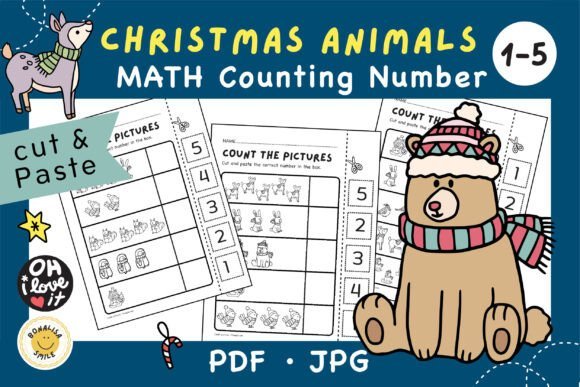
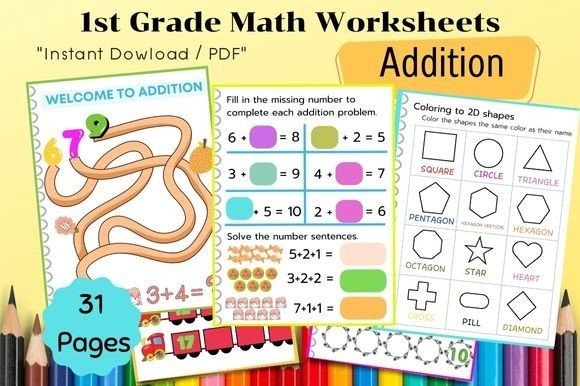
- Math worksheets: Simple number tracing, counting-and-circling, and pattern completion pages add structured reinforcement. Our math worksheets cover all these skills in a calm, accessible format.
Fine Motor Practice That Supports Everything Else
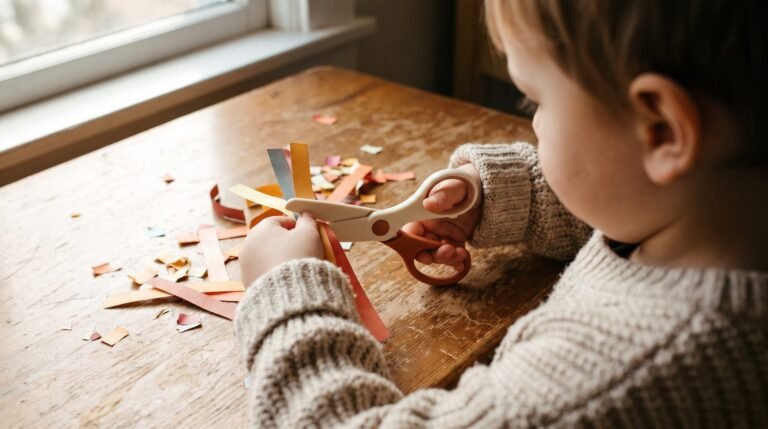
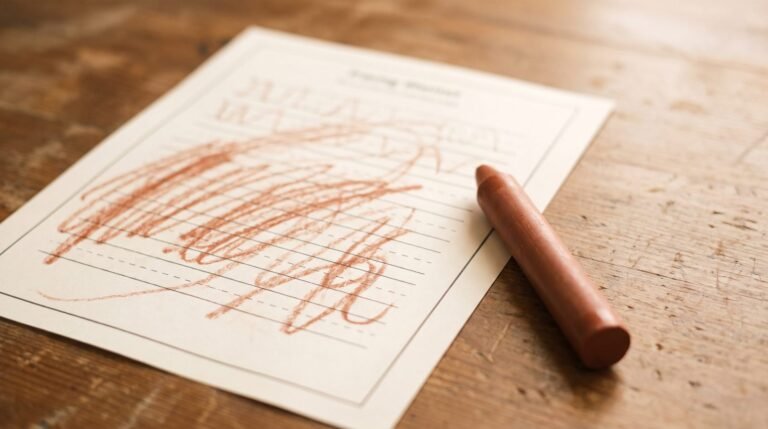
Fine motor development underpins writing, drawing, cutting, and self-care — making it one of the highest-return investment areas for home preschool learning. Keep playdough out. Have scissors and scrap paper available. Do a tracing page a few times a week. These simple habits build the hand strength and control that makes everything else easier.
Dedicate one low shelf or basket as the “yes shelf” — filled with things your child can always access independently: playdough, crayons, a few worksheets, a puzzle, some threading beads. When you need them occupied while you handle something, point to the shelf. No setup, no negotiation. This gives homeschool days a natural rhythm of independent learning between your focused together-time.
Language and Read-Aloud Time
Daily read-aloud is the single highest-impact homeschool activity for preschoolers, and it requires almost no preparation. Reading together builds vocabulary, listening comprehension, print awareness, and the love of stories that fuels a lifetime of reading. Child development experts consistently identify read-aloud frequency as one of the strongest predictors of early literacy success — stronger than any worksheet or structured program.
Read at least once a day. Let your child choose. Talk about the pictures, make predictions, ask “what do you think happens next?” The conversation around the book matters as much as the words on the page.
Building a Simple Weekly Homeschool Preschool Rhythm
You don’t need a detailed daily plan. A weekly rhythm gives enough structure without rigidity:
- Monday: Introduce the week’s letter or number. Do one alphabet or number worksheet.
- Tuesday: Fine motor focus — playdough, tracing, or cutting activity.
- Wednesday: Math activity — counting game, sorting, or math worksheet.
- Thursday: Creative activity — coloring, cut and paste, drawing.
- Friday: Review and read — revisit the week’s letter/number, read two or three books.
Every day: 10 minutes of structured activity + read-aloud + free play. Total formal learning time per day: 15–20 minutes. The rest is life — which is also learning.

What You Don’t Need for Homeschool Preschool
This list matters as much as the “what to do” list — because overthinking is the most common reason home preschool falls apart:
- A formal curriculum package. Not necessary at this age. Consistent, varied exposure to the skill areas above does everything a packaged curriculum does — often better, because it’s adapted to your specific child.
- A dedicated school room. A corner of the kitchen table works fine. What matters is a consistent spot and an accessible supply of materials.
- A strict daily schedule. A loose rhythm is enough. The goal is consistency across weeks and months, not hour-by-hour planning.
- Expensive manipulatives or educational toys. Playdough, crayons, scrap paper, and printed worksheets cover most of what preschoolers need. Simple beats elaborate at this age.

A Simple Homeschool Preschool Weekly Checklist
- Daily read-aloud (minimum one book, every single day)
- 3–4 short worksheet sessions per week (10–15 min each)
- At least 2 fine motor activities (playdough, cutting, tracing)
- One alphabet or letter-focused activity
- One counting or math activity
- Plenty of free play — this is learning too
- One outdoor or movement-based activity
A Basic Homeschool Preschool Kit
A printer covers most of preschool at home. These make printed pages last and keep the week organized.
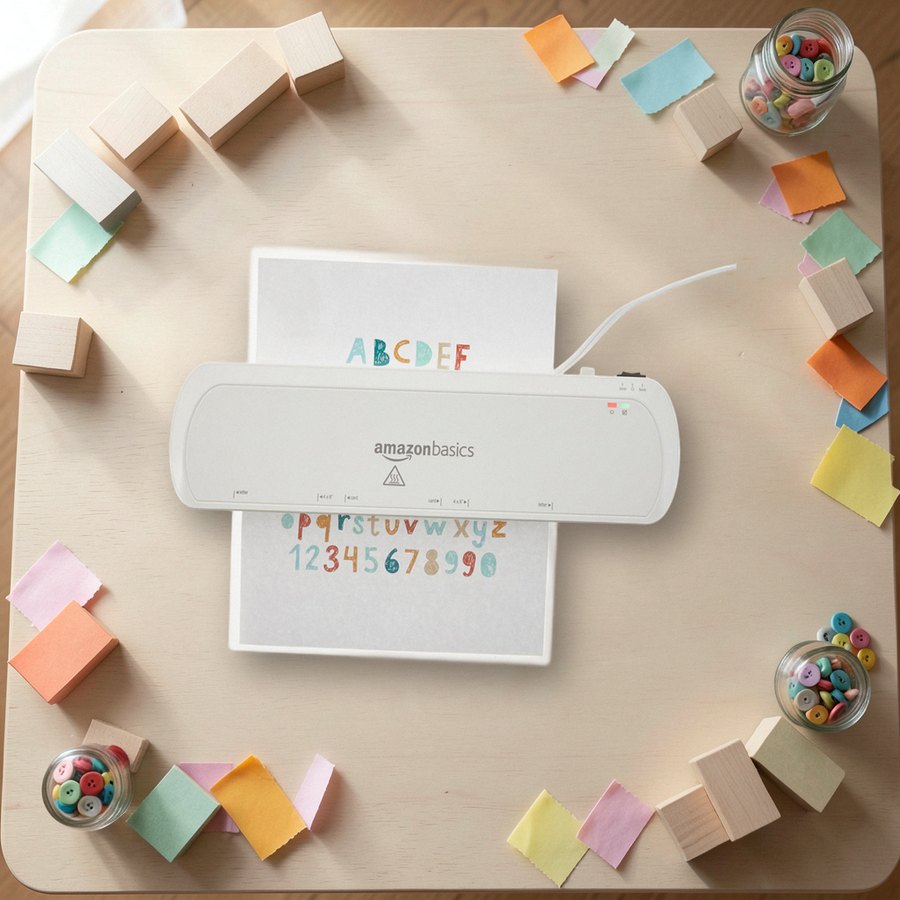 9-inch thermal laminatorView on Amazon
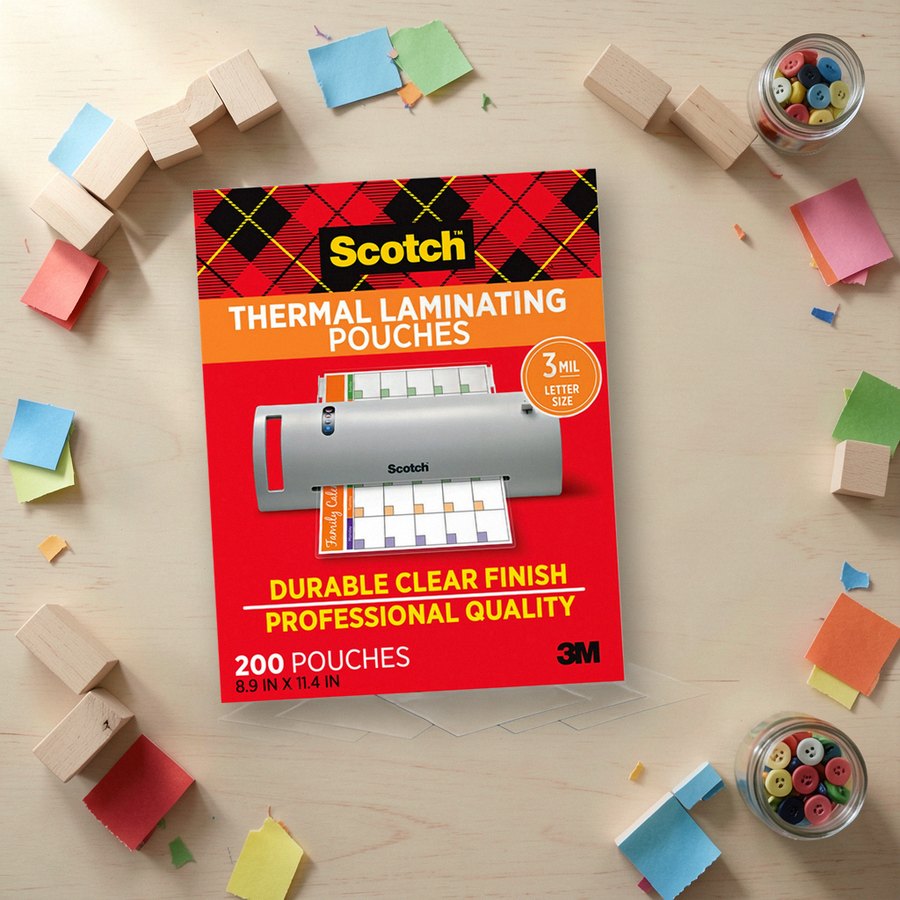 Laminating pouches, 3 milView on Amazon
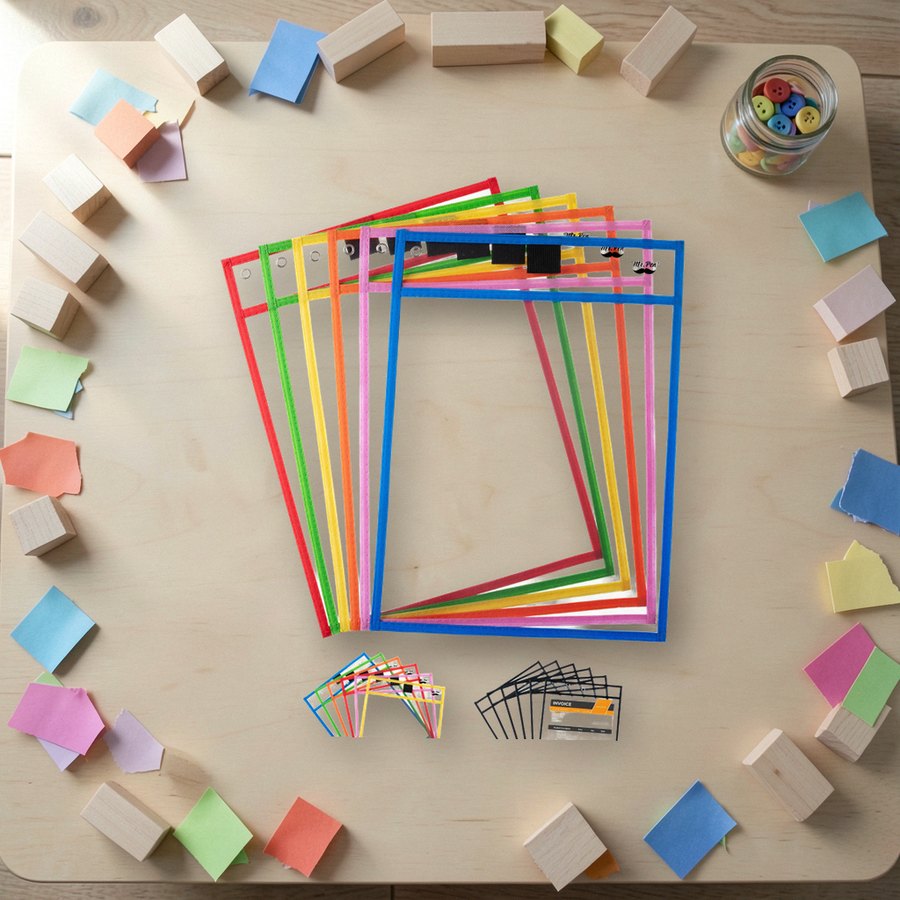 Reusable dry erase pocketsView on Amazon
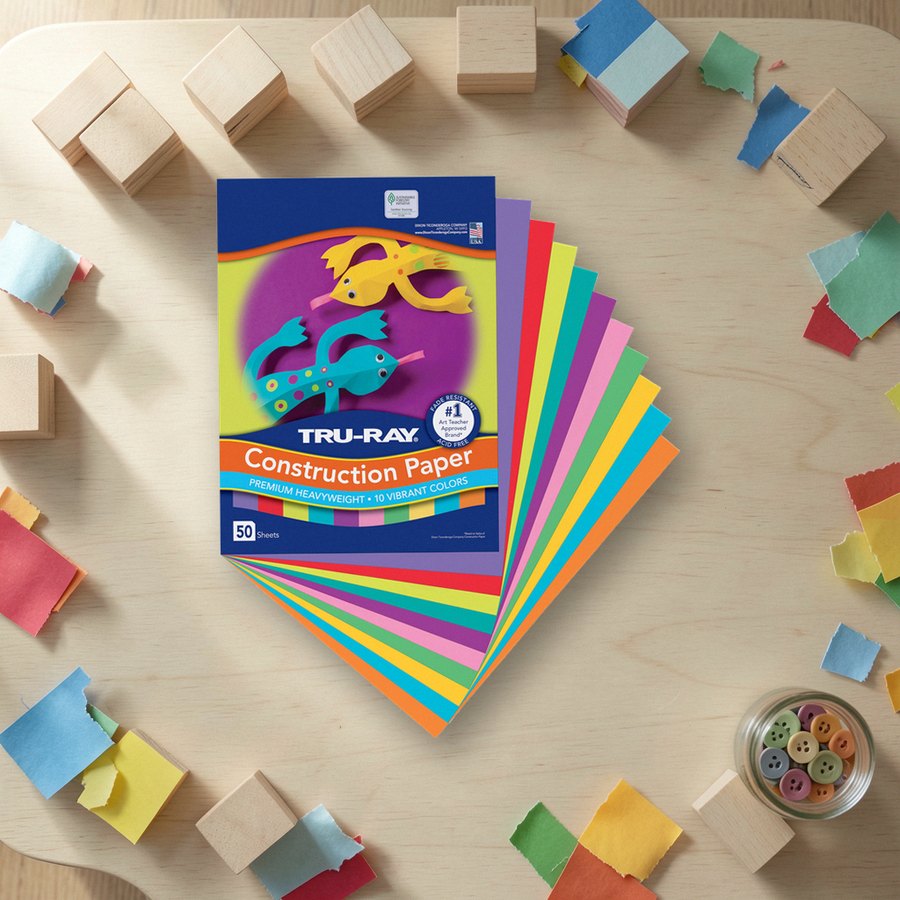 Construction paper, 10 colorsView on Amazon
As an Amazon Associate, PrintableBloom earns from qualifying purchases.
Conclusion
Homeschool preschool activities don’t have to be complicated, expensive, or time-consuming to matter. The children who arrive at kindergarten best prepared aren’t the ones who completed the most worksheets — they’re the ones who were read to every day, who played with purpose, who counted and sorted and asked questions and were taken seriously when they answered.
You’re not building a classroom. You’re building a childhood that happens to include some really good learning habits woven through it. That’s a worthy, achievable goal — and on most days, it fits in the margins of the life you’re already living.
Start simple. Stay consistent. Trust the process. The foundation you’re laying right now is more solid than it probably looks from inside the daily mess of it all.
Frequently Asked Questions
Do I need a formal curriculum to homeschool my preschooler?
No. A formal curriculum is not necessary for preschool-age homeschooling. Consistent read-alouds, play-based fine motor activities, simple printable worksheets, and everyday counting and letter exposure cover the developmental territory that matters most. Many families find that a loose weekly rhythm with a collection of quality printables is more flexible, more affordable, and more effective than a packaged curriculum at this age.
How many hours a day should I homeschool my preschooler?
Formal structured learning time of 20–30 minutes per day is genuinely sufficient for preschoolers. This is typically broken into two or three short sessions rather than one block. The rest of the day’s learning happens through play, conversation, read-alouds, and everyday activities — all of which count, even if they don’t look like school.
What subjects should I cover in homeschool preschool?
The five core areas for preschool home learning are: early literacy (letter recognition, phonics awareness), early math (counting, number sense, shapes), fine motor development, language and communication, and independence and focus skills. You don’t need formal “subjects” — covering these skill areas through varied, playful activities is entirely sufficient at this age.
What are the best free resources for homeschool preschool?
Public library picture books are the single best free resource — daily read-alouds cost nothing and produce extraordinary developmental returns. For printable activities, many quality worksheets are available for free or low cost online. Nature walks, cooking together, sorting household items, and counting during daily routines are all free and highly effective preschool learning activities.
My preschooler won’t cooperate with any home learning activities. What should I do?
Start with what they already love and build from there. A child obsessed with dinosaurs will count dinosaur toys, learn the letter D through dinosaur books, and draw dinosaurs with enthusiasm. Interest-led entry points build positive associations with learning that make structured activities far more accessible over time. Also try reducing the pressure: shorter sessions, more choice, less correction, and more play-based formats usually break through resistance effectively.
When should I start homeschooling my preschooler?
Informal learning at home can and should start from birth — through talking, reading, singing, and play. More structured homeschool preschool activities typically become appropriate around age 3 to 3.5, when children can sustain a few minutes of focused activity and show interest in letters, numbers, and books. There’s no single “right” starting age — readiness, curiosity, and a relaxed approach matter far more than starting early.
Related reading
- Daily Preschool Learning Routine for Busy Moms
- Best Ways to Teach Numbers to Preschoolers at Home
- Early Reading Skills Every Preschooler Needs
- What to Do If Your Child Hates Worksheets