At What Age Should Kids Start Tracing? A Simple Age-by-Age Guide (2-6)
You’ve printed a sheet of dotted lines, handed your two-year-old a crayon, and watched them either scribble straight off the page or lose interest in about four seconds. If you’ve quietly wondered whether they’re too young, or whether you’re already behind, take a breath. That worry is so common, and the honest answer is gentler than you’d think.
Tracing isn’t a race, and there’s no birthday that flips the switch. Below is a calm, age-by-age map of what’s realistic from ages two through six, so you can meet your child exactly where they are instead of where a worksheet thinks they should be.
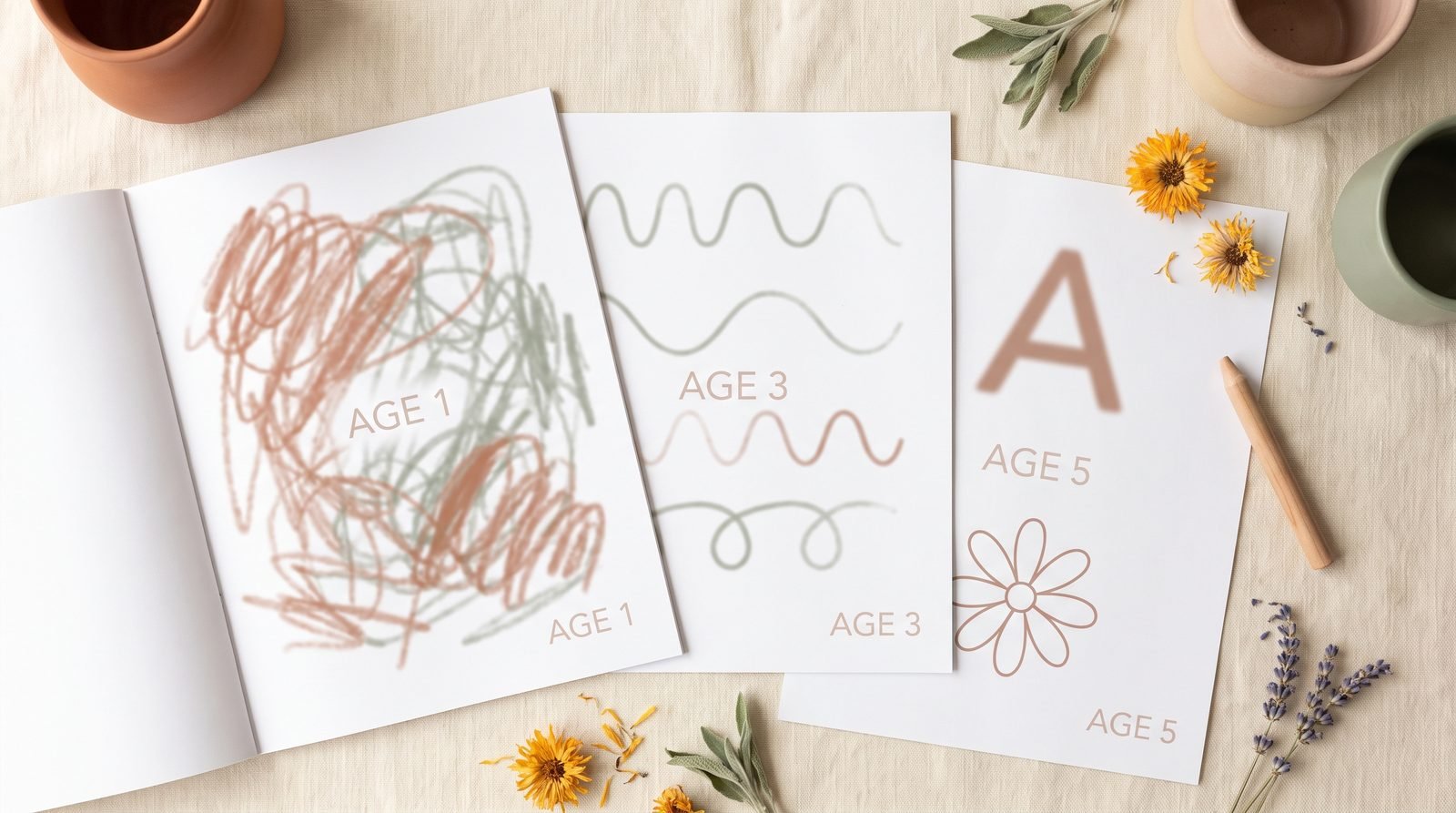
There’s no single “right” age — what actually matters
Children develop the hand strength, grip, and focus for tracing at very different times, and that’s completely normal. A just-turned-three-year-old might trace a wobbly line happily, while another child the same age would rather build towers and won’t touch a pencil for months. Neither is ahead or behind. They’re simply different kids.
What actually matters far more than age is readiness: can your child hold a crayon with some control, do they enjoy making marks, and can they sit with an activity for a minute or two without frustration? Those signs tell you far more than the number of candles on the cake. If you want a fuller picture of what readiness looks like, this guide on the signs your child is ready for handwriting walks through it step by step.
So instead of asking “is my child old enough?”, it helps to ask “what stage is my child at right now?” — and then simply offer the activity that fits. Here’s how that usually unfolds.
Ages 2-3: pre-tracing and big scribbles (not worksheets yet)
At two, and often into three, your child is in the pre-tracing stage. This is the foundation, and it looks nothing like a dotted-line worksheet — it looks like enthusiastic, messy scribbling. That’s exactly what you want to see. Big loose marks are how little hands learn that “I move my arm, and something appears on the paper.” That cause-and-effect discovery is the real skill being built here.
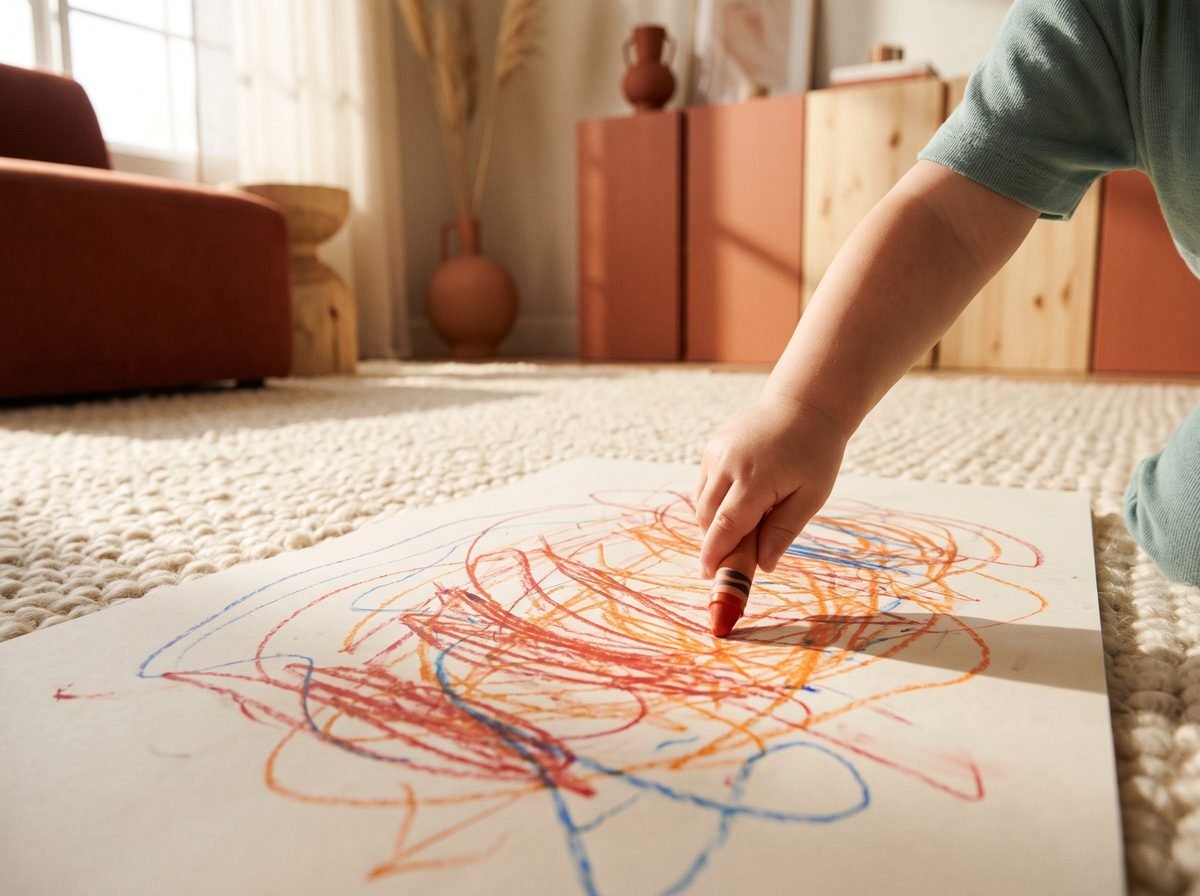
At this age, focus on large movements and grip strength rather than staying on any line:
- Fat crayons, chunky chalk, and washable markers that are easy for a small fist to grip
- Big paper taped to the floor, an easel, or the driveway with sidewalk chalk
- Finger painting and drawing shapes in a tray of dry oats, flour, or sand
- Playdough — squeezing, rolling, and pinching all build the very muscles tracing later needs
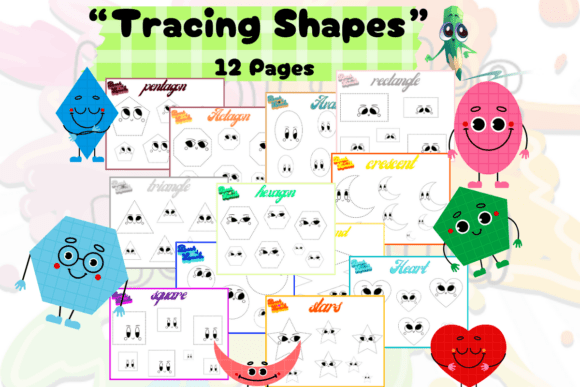
If you’d like something a little more structured that still respects how young this stage is, gentle toddler tracing pages with thick, forgiving lines can be a nice low-pressure introduction — as long as you treat them as play, not practice. If your toddler scribbles all over them and walks away, that’s a win, not a failure.
Age 3: first simple line tracing
Somewhere around three, many children become genuinely interested in following a line rather than just scribbling over it. This is where true tracing begins, and the key word is simple. Think big, short, spaced-out lines with plenty of room for error.
Good first tracing targets at this age:
- Straight vertical lines (top to bottom — the easiest direction for little hands)
- Straight horizontal lines (left to right, which also builds early reading direction)
- Big wavy lines, curves, and zigzags
- Very large, single shapes like a circle
Keep expectations realistic. A three-year-old’s lines will wobble off the path constantly, and that is completely fine — control comes with repetition, not correction. Keep sessions short, two or three minutes is plenty, and stop while they’re still enjoying it. Praising the effort (“you followed that line all the way down!”) does far more than pointing out where they strayed.
Age 4: shapes and early letters
By four, most children have the focus and hand control to take on more: full shapes, their own name, and simple letters. This is often the age where tracing starts to feel like the activity we picture when we hear the word.
Realistic targets for a four-year-old:
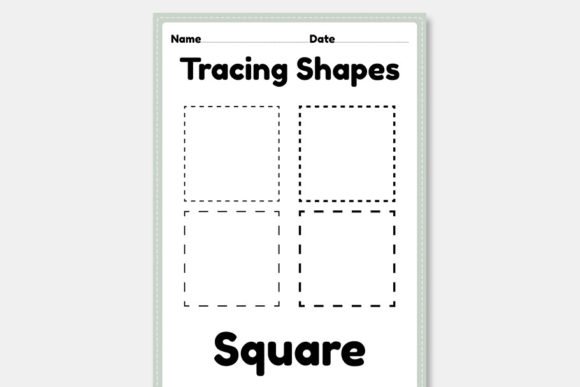
- Shapes: circles, squares, triangles, and crosses traced with reasonable accuracy
- Their name: especially the first letter — hugely motivating because it’s theirs
- Uppercase letters: these come before lowercase because they’re made of simpler straight lines and curves
- Numbers 1-5 in large, traceable form
Four is also a lovely age to keep building the underlying hand strength alongside the tracing itself, because a tired, weak hand tires quickly. Threading beads, using scissors on strips of paper, and stacking small objects all help. If you want ideas that genuinely move the needle rather than just fill time, these fine motor activities that build real skills pair beautifully with tracing at this stage. For structured pages pitched right for this age, browse some pre-K tracing ideas.
Ages 5-6: letters, numbers, and neat formation
Between five and six, tracing shifts from “can they follow the line?” to “are they forming letters correctly?” This is the stage that bridges directly into real handwriting, so how a letter is formed starts to matter as much as the finished result.
What’s realistic now:
- Tracing the full alphabet, uppercase and increasingly lowercase
- Numbers 0-10, and often up to 20
- Correct stroke order — for example, starting letters from the top rather than the bottom
- Tracing their whole name smoothly, and copying it from a model
- Smaller, neater work as their pencil control matures
At this age it’s worth gently guiding stroke direction, because habits formed now tend to stick. A helpful nudge sounds like “let’s start at the top” rather than a correction after the fact. Still, keep it light — plenty of five-year-olds reverse letters like b, d, and s well into first grade, and that’s a normal part of learning, not a red flag. Consistency and patience matter far more than perfection.
Signs your child isn’t ready yet (and that’s okay)
Sometimes the kindest, most effective thing you can do is quietly set the worksheet aside for a few weeks. Your child may not be ready if you notice:
- They can’t yet hold a crayon with a fisted or finger grip, or the crayon keeps slipping
- They get frustrated, avoidant, or upset the moment a pencil appears
- They can’t stay with the activity for even a minute
- They press so lightly the marks barely show, or so hard the crayon breaks — a sign the hand muscles are still developing
- They have no interest in following lines and only want to scribble freely
None of these mean anything is wrong. They simply mean the foundation is still being laid, and pushing tracing now usually creates resistance that makes it harder later. Backing off is a strategy, not a setback.
What to do instead if they’re too young
If your child isn’t ready to trace, keep building the muscles and coordination that tracing sits on top of. Almost all of this looks like play, which is exactly the point:
- Playdough, putty, and squeezing sponges for hand strength
- Tearing and crumpling paper, and picking up small objects with fingers or tweezers
- Drawing freely on a vertical surface — an easel or paper taped to the wall builds wrist stability
- Finger-tracing shapes and lines in sand, salt, or shaving cream with no pencil at all
- Scissor practice, threading, and stacking
Give it a few weeks, then offer a single simple tracing line again with zero pressure. Readiness tends to arrive quietly, often when you’ve stopped watching for it.
Quick age-by-age cheat sheet
- Ages 2-3: Pre-tracing — big scribbles, playdough, finger drawing. No worksheets required.
- Age 3: First simple lines — big straight and wavy lines, large circles. Expect wobbles.
- Age 4: Shapes, first letter of their name, uppercase letters, numbers 1-5.
- Ages 5-6: Full alphabet, numbers, and correct letter formation — the bridge to handwriting.
- Not ready? Step back to fine motor play and try again in a few weeks. Totally normal.
Wherever your child lands on this map, they’re right on time for themselves. Follow their pace, keep it playful, and celebrate the wobbly lines — those wobbles are the sound of a skill being built. The neat letters will come, and they’ll come sooner if the road there felt like fun.
First Tracing Supplies by Stage
The tool matters as much as the page: big chalk and thick crayons for the scribbling years, a short pencil and a reusable pocket once lines begin to make sense.
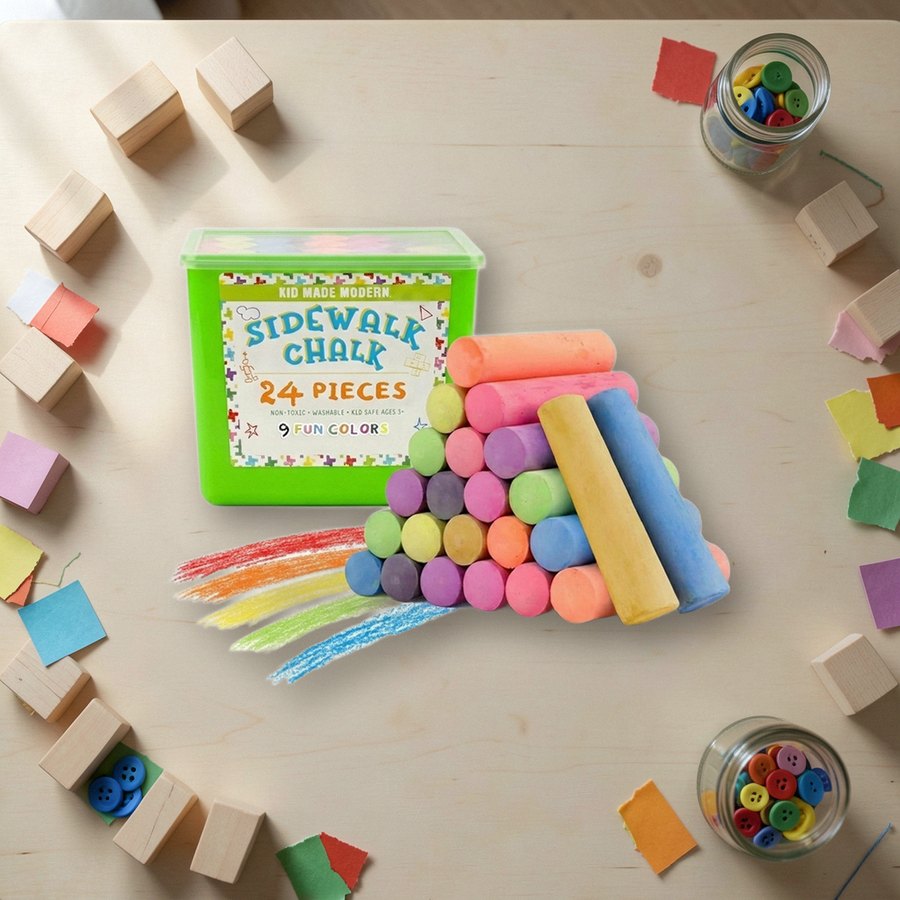 Sidewalk chalk bucketView on Amazon
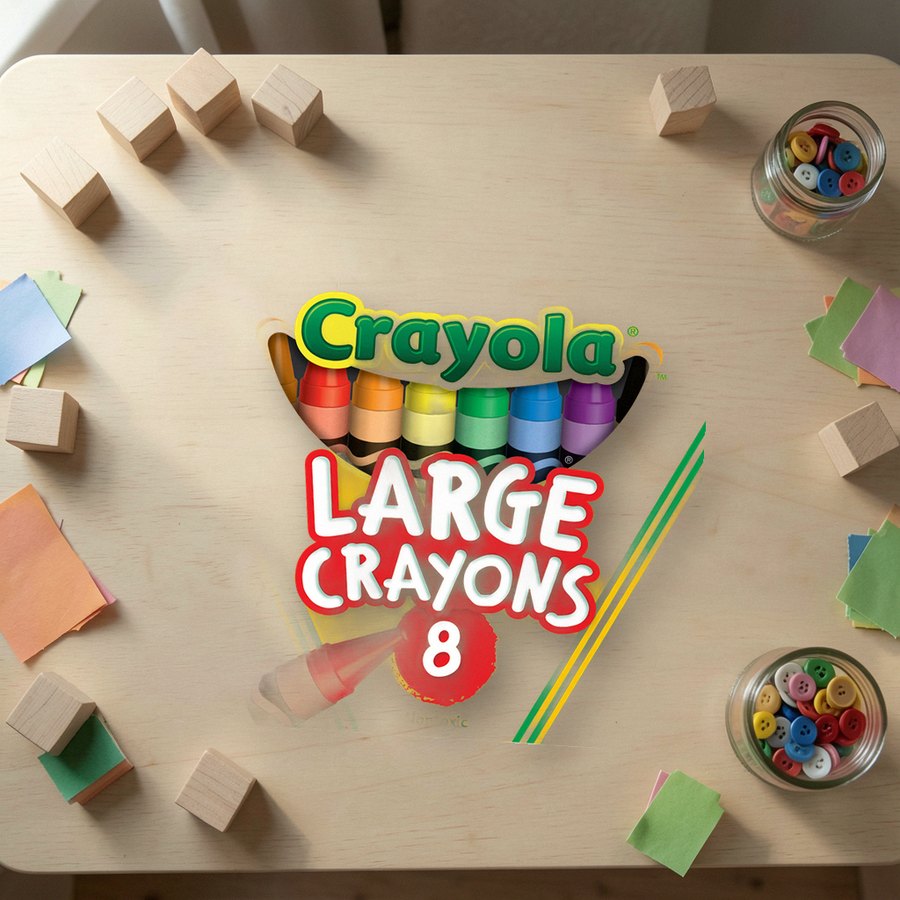 Large crayons for small hands (Crayola)View on Amazon
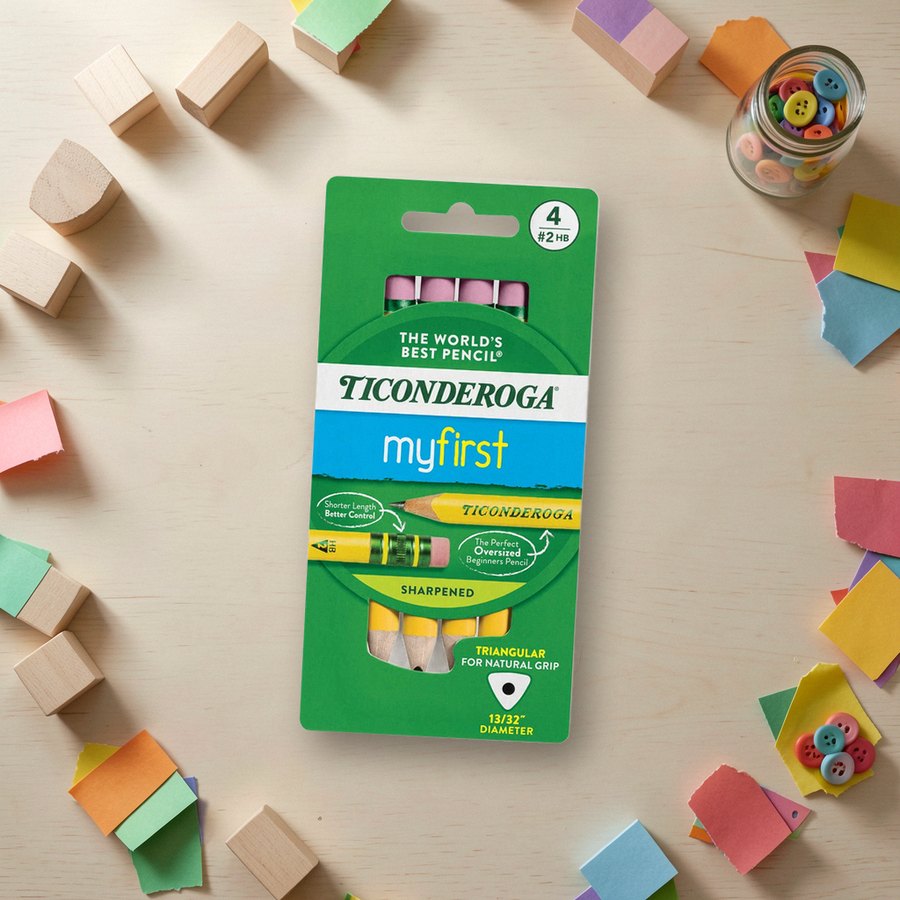 Short triangular beginner pencils (Ticonderoga)View on Amazon
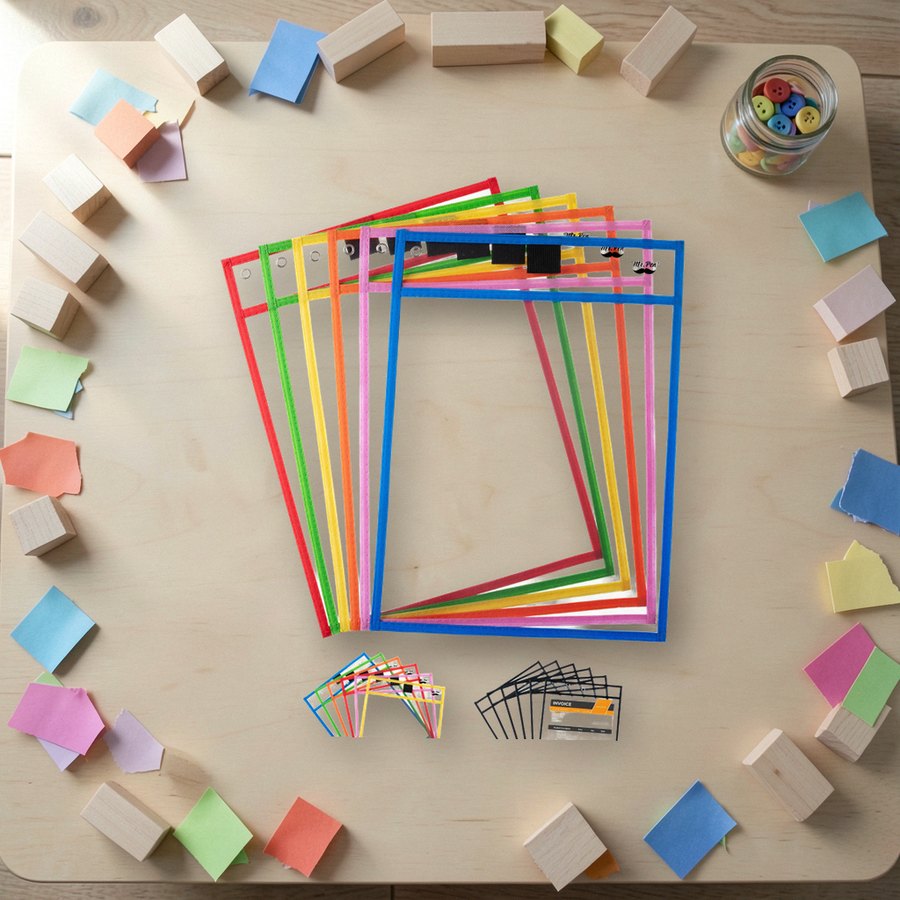 Reusable dry erase pocketsView on Amazon
As an Amazon Associate, PrintableBloom earns from qualifying purchases.