Building Kindness and Gratitude in Young Children (Without Lectures)
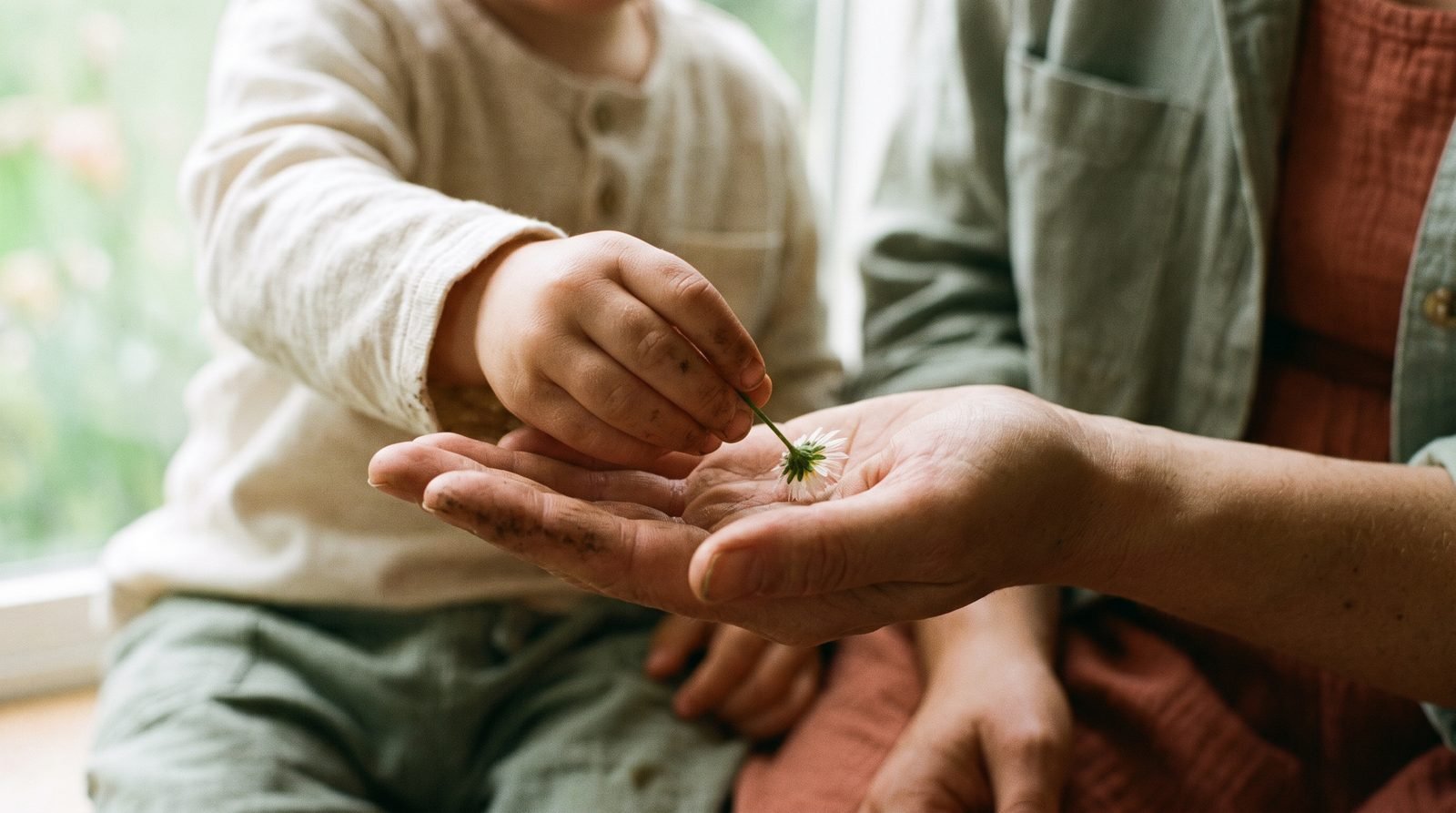
The other afternoon my neighbor’s little one, not quite three, handed me a squashed dandelion she’d carried all the way across the yard. No one told her to. She just wanted me to have it. That’s the thing about kindness in young children: the most genuine moments almost never come from a lecture we gave earlier.
If you’ve ever crouched down and said, “Now, what do we say?” and gotten a blank stare in return, you already know that teaching kindness and gratitude isn’t as simple as reminding. The good news is that it doesn’t have to be a lesson at all. It grows quietly, through what our kids see us do and how we live together every day.
Why lecturing about kindness rarely works
When we lecture a toddler or preschooler about being kind, we’re usually asking them to hold an abstract idea in their head and act on it in the moment. That’s a tall order for a brain that’s still learning to name its own feelings. A two-year-old who snatches a toy isn’t being unkind on purpose; they simply want the toy and don’t yet have the impulse control or perspective-taking to pause.
Long explanations also tend to arrive at the worst possible time, when a child is flooded, tired, or overwhelmed. In those moments, more words rarely land. And a heavy dose of moralizing (“Kind children share, don’t you want to be kind?”) can quietly teach children that kindness is about earning approval rather than caring about another person. What actually shapes prosocial behavior is far less dramatic: warm relationships, repeated everyday examples, and gentle naming of what kindness looks like when it happens naturally.
What kindness and gratitude look like by age 2-6
It helps enormously to match our expectations to what’s actually developmentally realistic. Kindness looks very different at two than it does at six.
- Around age 2-3: Kindness is mostly imitation and brief moments of empathy. A toddler might pat a crying friend, offer their own snack, or bring you a toy. Sharing is genuinely hard here, and “taking turns” is an emerging skill, not a rule they can reliably follow. Gratitude at this age is felt more than spoken.
- Around age 3-4: Children start to notice others’ feelings more clearly and can begin to say “thank you” with real meaning, though they still need warm reminders. They can help with small tasks and feel proud doing it. Fairness matters intensely to them.
- Around age 4-5: Perspective-taking blossoms. Kids can imagine how a friend feels, comfort someone deliberately, and understand that their actions affect others. Gratitude can become a small habit, like naming one good thing about the day.
- Around age 5-6: Children can hold kindness as a value they’re proud of. They can plan a kind act (“Let’s make a card for Grandma”), reflect on it afterward, and begin to feel genuine appreciation for people, not just things.
Knowing this makes the daily moments so much calmer. You stop expecting a three-year-old to share generously on demand, and you start celebrating the small, real sparks of care when they appear.
Modeling is the real teacher
If there’s one idea to hold onto, it’s this: children learn kindness mostly by watching the people they love. Long before a child can define gratitude, they absorb the tone of a home where “thank you” is said warmly and often, where mistakes are met with patience, and where people are treated gently.
This is quietly reassuring, because it means you don’t need a curriculum. You need to let your child overhear you. Thank the bus driver. Say sorry to your partner and mean it. Notice out loud when someone helps you: “That was so kind of Grandpa to fix my chair.” Talk about your own gratitude in ordinary language: “I’m really glad it stopped raining so we could go to the park.”
Children also watch how we treat them when things go wrong. When we respond to a spilled cup with, “Whoops, let’s clean it up together,” instead of frustration, we’re modeling the exact gentleness we hope they’ll show others. Kindness practiced toward our kids becomes the kindness they carry into the world. Pairing that warmth with simple, calming language, like the ones in these positive affirmations for kids, can help the whole household set a softer tone.
Small daily gratitude habits (that aren’t forced)
Gratitude sticks best when it’s woven into the rhythm of the day rather than performed. The goal isn’t to make your child recite what they’re thankful for; it’s to help them notice good things, which is a skill that genuinely grows with practice.
- A “good thing” at dinner or bedtime. Ask, “What was something nice today?” and share yours too. Keep it light. Some nights the answer is “ice cream,” and that’s completely fine.
- Thank-you moments in real time. Instead of prompting “say thank you,” try modeling it yourself and letting them join in when they’re ready. The habit forms through repetition, not pressure.
- Noticing helpers. Point out the people who make your day work, the mail carrier, a librarian, a big sibling. Gratitude grows when children start to see the care around them.
- A gentle written ritual. For preschoolers who love routine, a simple drawing or one-word note about a good moment can become a treasured wind-down. A gentle gratitude journal for kids gives that habit a soft, low-pressure home without turning it into homework.

The key word throughout is gentle. If gratitude starts to feel like a chore or a test, its warmth drains away. A skipped night doesn’t undo anything. Consistency matters far more than perfection.
Turning everyday moments into kindness practice
You don’t need special activities to raise a kind child. Ordinary life is full of opportunities, and naming them as they happen is often all it takes.
When your child brings you a toy, you might say, “You shared with me, that felt so kind.” When a sibling is upset, you can wonder aloud together: “I think she’s sad. What might help her feel better?” These small, curious questions do more than any instruction, because they invite the child to think and choose rather than obey.
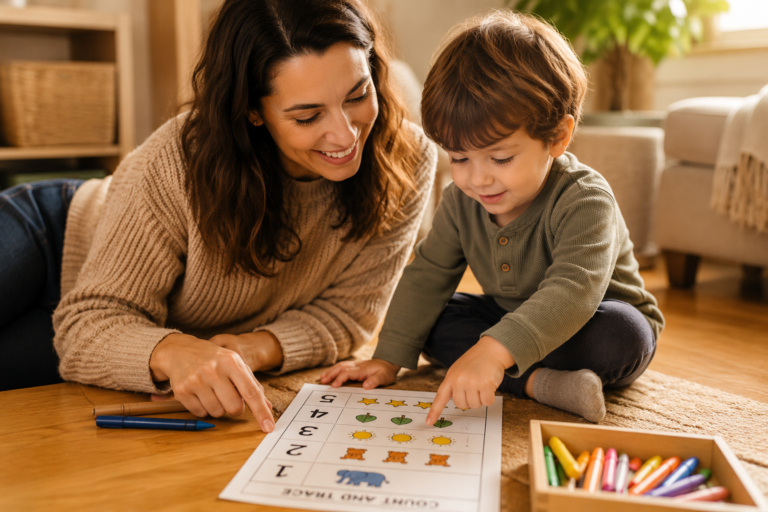
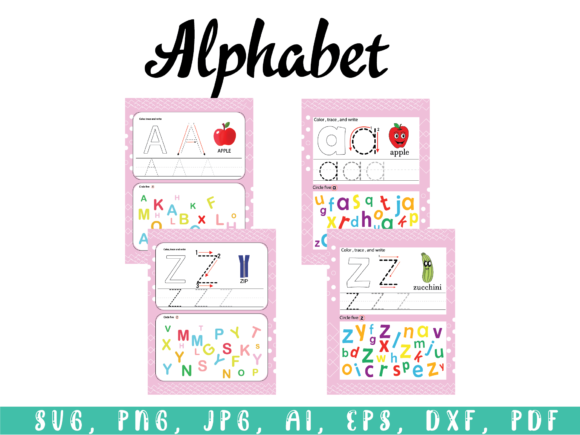
Everyday kindness practice can look like watering a plant together, carrying a bag for a grandparent, feeding a pet, or picking one flower to give away. For children who enjoy having something to do with their hands, simple kindness printables for kids can turn a quiet afternoon into a chance to draw a card, color a “thank you,” or plan a small kind act. And on days when everyone needs to slow down, folding kindness into calm and quiet activities keeps the mood soft rather than busy.
What ties all of this together is your attention. When you notice a kind moment and name it warmly, without gushing or making a big performance of it, you help your child feel the quiet satisfaction of caring for someone. That feeling, repeated over time, is what turns kindness from a rule into a part of who they are.
Using gentle prompts and journals to reflect
Once children are around four or five, a little reflection helps kindness and gratitude take root. Reflection simply means looking back at a moment together and giving it words. This is where soft prompts and simple journals earn their place, not as assignments, but as cozy conversation starters.
You might ask, “Who did something kind for you today?” or “Was there a time you helped someone?” For children who like to draw, invite them to sketch the good part of their day. The point isn’t to produce anything impressive; it’s the small ritual of pausing to notice care. Keep sessions short, follow your child’s lead, and let some days be quiet.
What’s realistic to expect (and what isn’t)
It’s worth saying plainly: your kind, gratitude-noticing child will still grab toys, forget to say thank you, and have days full of “mine.” This is not a failure of your parenting or their character. It’s development. Empathy and self-control are built slowly, over years, and they wobble whenever a child is tired, hungry, or overwhelmed.
What you can reasonably expect is gradual growth: more frequent kind moments, quicker recovery after conflict, and a slowly deepening ability to consider how others feel. What isn’t realistic is consistency, perfect manners on demand, or kindness that overrides a genuine need or big emotion. Meeting the emotion first, then returning to kindness later, works far better than insisting on politeness in the middle of a meltdown.
Keeping it warm, not preachy
The surest way to keep kindness genuine is to keep it warm. Praise the action gently rather than labeling the child (“That was kind” lands better than “You’re such a good girl”). Avoid using kindness as a way to earn love or avoid disappointment. And resist the urge to narrate every lesson; sometimes the most powerful thing you can do is simply live kindly and let your child grow up inside it.
Children raised in a warm, appreciative home tend to become warm, appreciative people, not because they were told to, but because it’s the air they breathed.
So if today all you managed was one squashed-dandelion moment, a shared “good thing” at bedtime, or a patient clean-up of a spilled cup, that counts. Kindness and gratitude aren’t taught in a single conversation. They’re grown, gently, over thousands of small ordinary days, and you’re already in the middle of them.