Kindergarten Readiness Skills Parents Often Miss
Most parents preparing a child for kindergarten focus on the obvious: letters, numbers, maybe writing their name. And those things matter. But ask any experienced kindergarten teacher what separates children who thrive from those who struggle in the first few months, and the answer usually has nothing to do with the alphabet. It has to do with a quieter set of skills that rarely make it onto a readiness checklist — and that parents most often overlook.
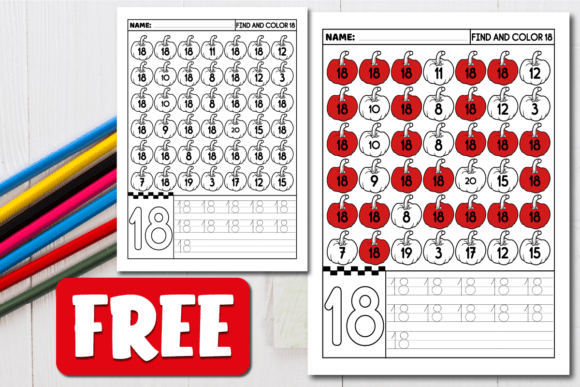
These overlooked kindergarten readiness activities and skills are some of the most important predictors of a smooth transition to school. The good news is they’re entirely buildable at home, often through everyday moments rather than structured practice. If you’d also like to support the academic side, our kindergarten worksheets cover those foundations. But this article is about the skills the worksheets don’t teach — the ones that matter just as much.

Why These Kindergarten Readiness Skills Get Missed
The skills parents overlook tend to be missed for a simple reason: they’re harder to see and measure than academic knowledge. You can quiz a child on letters. You can count how high they can count. But how do you measure whether a child can recover from frustration, or work independently for ten minutes, or stand up for themselves with a peer?
These skills don’t show up on flashcards, so they’re easy to overlook in the rush to prepare for school. Yet child development experts and kindergarten teachers consistently rank them among the strongest predictors of school success — often more predictive than early academic skills, which tend to even out across children within the first year or two of school anyway.
The Kindergarten Readiness Skills Parents Most Often Miss
1. Self-Regulation and Emotional Recovery
This is the single most overlooked readiness skill — and arguably the most important. Can your child recover from a disappointment without a complete meltdown? Can they wait briefly for something they want? Can they manage the frustration of a task being hard without giving up entirely? In a classroom of 20+ children, a child who can self-regulate even moderately well can access learning; a child who can’t is overwhelmed by the constant small frustrations of the day.
2. Independence and Self-Care
Kindergarten assumes a baseline of independence that surprises many parents. Children need to manage the bathroom alone, put on and take off their own coat and shoes, open their own lunch containers, manage their belongings, and ask for help when needed. A child who relies on an adult for these tasks struggles in an environment where one teacher is supporting many children. Preschool independence skills like these are easy to overlook because we so often do these things for our children out of love and convenience.
In the months before kindergarten, deliberately step back and let your child do things themselves — even when it’s slower and messier. Let them zip their own coat, even if it takes three minutes. Let them open their own snack, even if they struggle. Each small struggle they push through builds the independence and confidence that kindergarten requires. Doing it for them, however well-intentioned, removes the very practice they need most right now.
3. Following Multi-Step Directions
Kindergarten is full of multi-step instructions: “Hang up your coat, put your folder in the bin, and find your spot on the carpet.” A child who can only follow one direction at a time gets lost in these sequences. This is a buildable skill — practicing two- and three-step directions at home (“please get your shoes, put them by the door, and bring me your jacket”) strengthens the working memory that classroom life demands.
4. Sustained Independent Focus
Many kindergarten activities require a child to work on their own for a stretch — completing a task without an adult guiding every step. Children who’ve always had an adult directing their activities can find this surprisingly hard. Building the capacity to engage with an activity independently for 10–15 minutes is a meaningful and often-missed readiness skill.
5. Social Problem-Solving
Sharing and taking turns get mentioned often, but the deeper skill is social problem-solving: what does a child do when another child takes their toy? When they’re left out of a game? When there’s a conflict? Children who have some strategies — using words, asking for help, finding a compromise — navigate the intensely social world of kindergarten far more successfully than those who only know how to cry or grab.
6. Communicating Needs to Adults
A child who can tell a teacher “I need the bathroom,” “I don’t understand,” or “someone is bothering me” has a powerful advantage. Many children — especially shy ones — struggle to approach an unfamiliar adult with a need. Practicing this skill, and explicitly telling your child “it’s always okay to tell your teacher what you need,” builds crucial self-advocacy.
The Overlooked Skills at a Glance
| Overlooked Skill | Why It Matters in Kindergarten | How to Build It at Home |
|---|---|---|
| Emotional recovery | Lets child handle constant small frustrations | Model calm, normalize mistakes, coach through disappointment |
| Self-care independence | Classroom assumes child can manage themselves | Let them do coats, bathroom, snacks on their own |
| Multi-step directions | Classroom routines come in sequences | Practice 2–3 step instructions in daily life |
| Independent focus | Many tasks done without adult guidance | Build solo activity time gradually |
| Social problem-solving | Peer conflicts happen constantly | Coach instead of rescue; teach words and strategies |
| Communicating needs | Child must self-advocate with teacher | Practice asking adults for help; give explicit permission |
The Academic Skills That Are Also Often Missed
While social-emotional skills top the overlooked list, a few academic foundations also get missed because they’re less obvious than letter and number recognition:
- Fine motor stamina. Not just whether a child can hold a pencil, but whether they can sustain hand control through a full activity without fatigue. Our fine motor skills worksheets help build this endurance.
- Phonological awareness. Hearing and playing with the sounds in words — rhyming, identifying beginning sounds. This underpins reading more than letter knowledge alone.
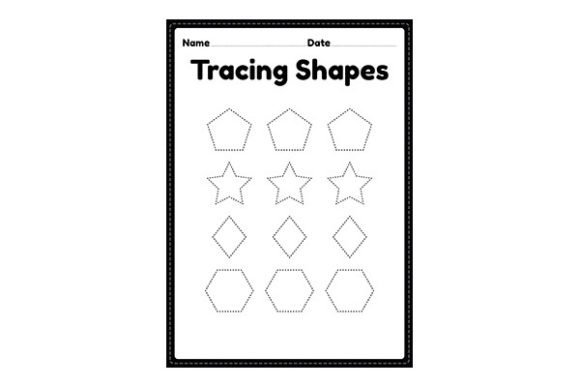
- Handwriting readiness. The hand strength and control for letter formation, beyond just recognizing letters. Our handwriting worksheets support this transition.
- Print awareness. Understanding that text carries meaning, reads left to right, and that words are made of letters.

How to Build These Skills Without Adding Pressure
The beautiful thing about these overlooked skills is that they’re built through everyday life, not extra structured practice:
- Step back more. Resist doing things for your child that they can do themselves, even slowly. Independence grows in the space you create by stepping back.
- Coach, don’t rescue. When conflict or frustration arises, guide your child through it with questions rather than solving it for them.
- Normalize mistakes. Let your child see you make mistakes and recover calmly. “Oops, I spilled. No big deal, I’ll clean it up.” Model the emotional recovery you want them to learn.
- Practice routines. Multi-step morning and bedtime routines build the sequence-following and independence kindergarten requires.
- Give real responsibility. Small jobs — setting the table, feeding a pet, managing their own backpack — build competence and confidence.

A Checklist of Often-Missed Readiness Skills
- Recovers from disappointment or mistakes without prolonged distress
- Manages own coat, shoes, bathroom, and belongings independently
- Follows two- and three-step directions
- Works independently on an activity for 10–15 minutes
- Has strategies for peer conflict (words, asking for help, compromise)
- Can tell an adult what they need or that they need help
- Has fine motor stamina for sustained hand activities
- Recognizes rhymes and beginning sounds in words
Supplies for the Often-Missed Skills
Cutting, gluing and finishing a task within a set time are the practical skills on this list that need a few supplies.
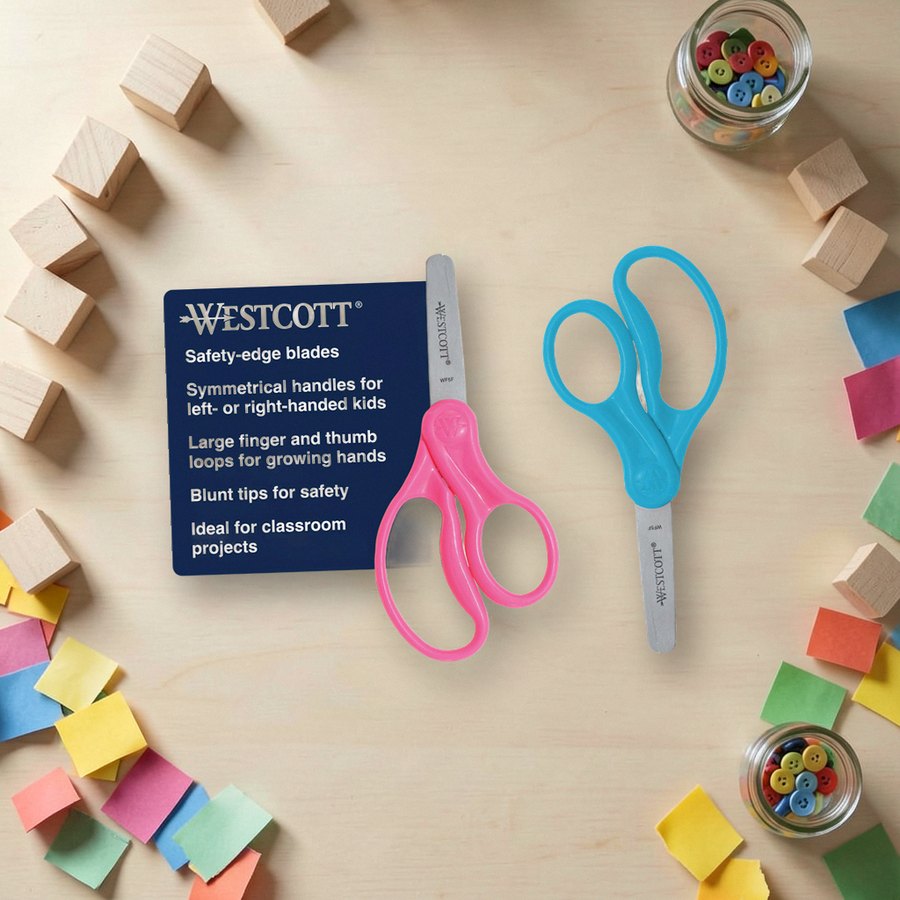 Blunt-tip kids scissorsView on Amazon
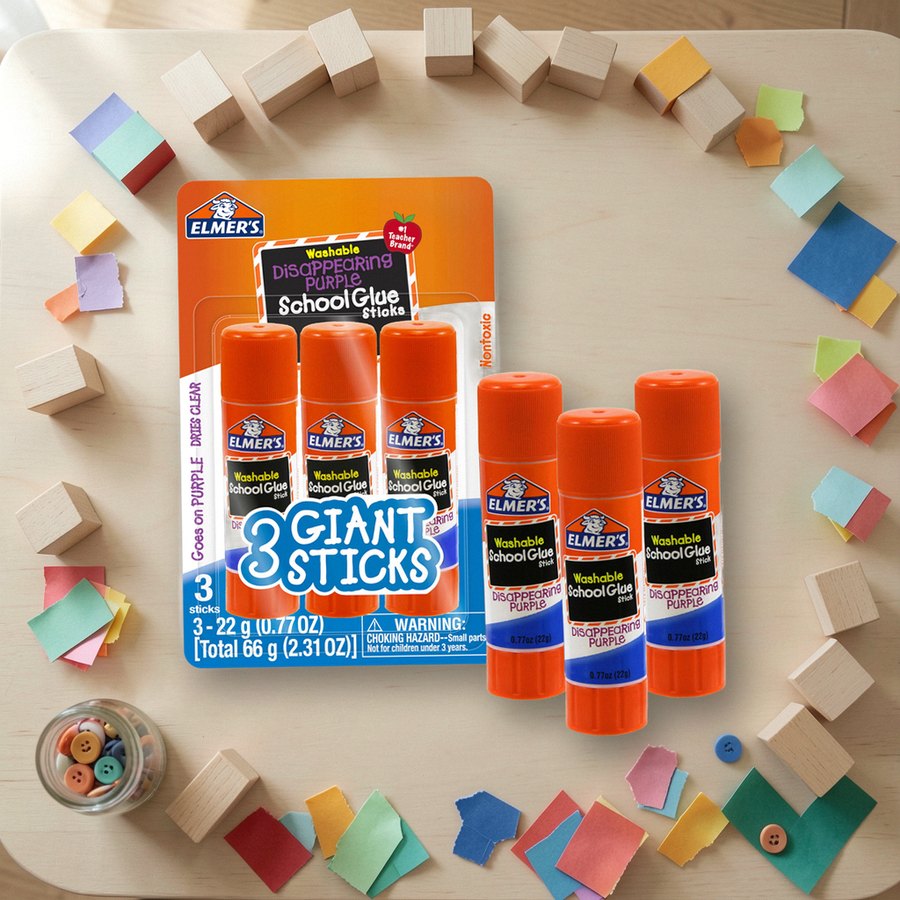 Washable glue sticksView on Amazon
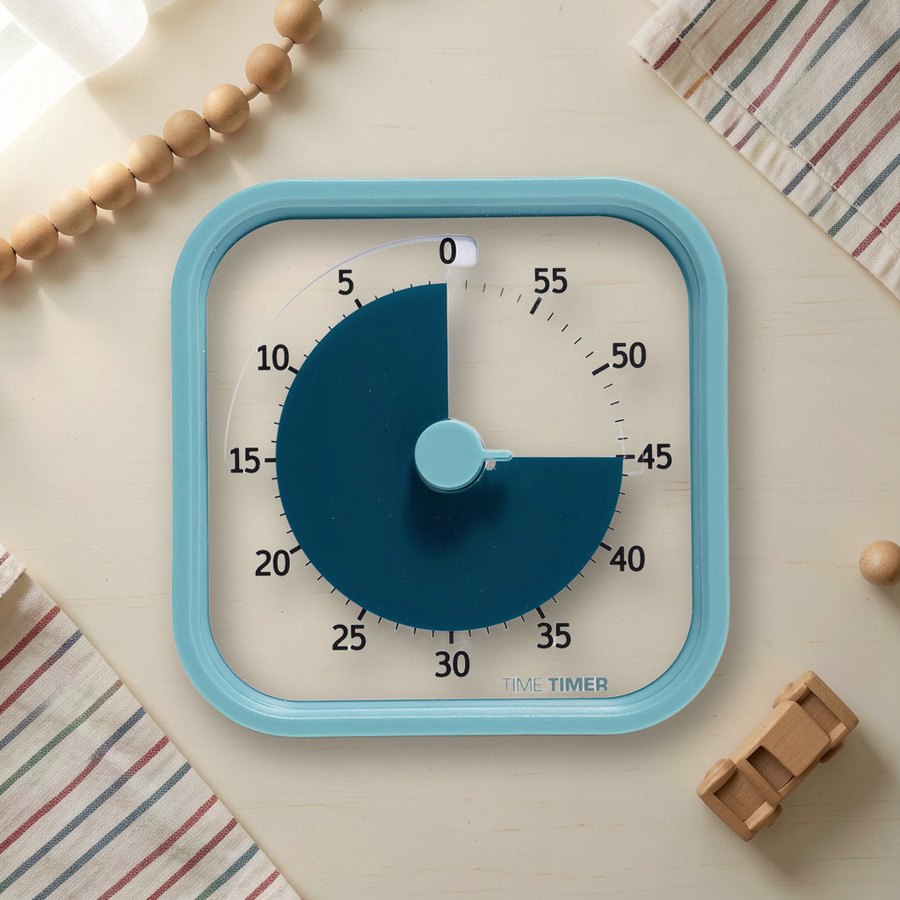 60-minute visual timer (Time Timer)View on Amazon
As an Amazon Associate, PrintableBloom earns from qualifying purchases.
Conclusion
The skills that most determine how your child experiences their first months of kindergarten aren’t the ones you can quiz them on. They’re the quiet ones — the ability to bounce back from a hard moment, to manage their own coat and lunch, to use words instead of tears when a peer takes their toy, to keep going when something is difficult.
These skills are built not through drills but through trust — trusting your child to struggle a little, to try things themselves, to work through frustration with your gentle coaching rather than your rescue. Every time you step back and let them figure something out, you’re building exactly the readiness that matters most.
So in this last stretch before kindergarten, by all means keep working on letters and numbers. But spend at least as much energy on the quieter skills. They’re the foundation everything else is built on — and they’ll serve your child long after they’ve mastered the alphabet.
Frequently Asked Questions
What kindergarten readiness skills do parents most often overlook?
The most commonly overlooked skills are self-regulation (recovering from frustration and managing emotions), self-care independence (managing coats, bathroom, belongings), following multi-step directions, working independently, social problem-solving with peers, and communicating needs to adults. These social-emotional and independence skills are harder to measure than academic knowledge, so they’re easy to miss — yet research shows they predict school success more strongly than early reading or math.
Are social-emotional skills really more important than academics for kindergarten?
According to most kindergarten teachers and a substantial body of research, yes — social-emotional and self-regulation skills are among the strongest predictors of early school success. Academic skills tend to even out across children within the first year or two of school, but a child’s ability to manage emotions, follow directions, and work with others shapes their entire classroom experience from day one. Both matter, but the social-emotional foundation is often more decisive.
How do I teach my child emotional regulation before kindergarten?
Model calm recovery from your own frustrations and mistakes, normalize that mistakes are part of learning, and coach your child through disappointments rather than fixing everything for them. Name emotions (“you’re feeling frustrated because the tower fell”), and teach simple coping strategies like taking a deep breath or trying again. Consistent, patient modeling over time is far more effective than any single lesson.
My child is academically advanced but emotionally immature. Is that a problem for kindergarten?
It’s worth attention. Academic advancement doesn’t compensate for difficulty with emotional regulation, independence, or social skills — and in fact, academically advanced children sometimes struggle more when classroom challenges are social rather than intellectual. Focusing on the emotional and independence skills in the time before kindergarten will serve your child better than pushing further academically. Both kinds of development matter, and balance is the goal.
How can I build independence in my child before kindergarten?
Step back and let your child do things themselves, even when it’s slower or messier — putting on coats and shoes, opening snacks, managing their backpack, using the bathroom independently. Give them small real responsibilities at home. Resist the urge to do things for them out of convenience. Each task they accomplish themselves builds both the practical skill and the confidence that kindergarten requires.
What’s the best way to prepare a shy child for kindergarten?
For shy children, focus especially on the skill of communicating needs to adults — practice it explicitly and reassure them repeatedly that it’s always okay to tell their teacher what they need. Arrange playdates and group activities to build social comfort gradually. Role-play common scenarios (“what would you say if you needed the bathroom?”). Building these communication and social skills gently, without pressure, gives a shy child the tools to advocate for themselves even when they feel nervous.
Related reading
- What Should a 4-Year-Old Know Before Kindergarten?
- Best Pre-K Learning Activities for Home Practice
- Signs Your Child Is Ready for Handwriting Practice
- Early Reading Skills Every Preschooler Needs