
Preschool Tracing Worksheets: How to Use Them Without the Frustration
You print a fresh sheet, sharpen a pencil, sit your little one down with the best of intentions, and within ninety seconds there are scribbles across the whole page and someone is sliding off the chair. If that sounds familiar, take a breath: nothing has gone wrong. Tracing is a genuinely valuable early skill, but the way we set it up matters far more than the worksheet itself.
I’ve spent years watching three- and four-year-olds meet a pencil for the first time, and the pattern is almost always the same. Calm, short, low-stakes sessions build a child who wants to come back tomorrow. Long, corrective sessions build a child who hides when they see the printer warming up. This guide walks you through doing it the calm way.
What tracing worksheets are actually good for (realistic expectations)
Let’s set the record straight on what a tracing sheet does and doesn’t do. Tracing is not “practice writing.” Your four-year-old is not learning to write the letter A by tracing it a hundred times. What they’re actually building is more foundational and far more useful: the small hand and finger muscles, the ability to make a pencil go where their eyes are looking, and the confidence that this whole marks-on-paper business is something they can do.
Think of tracing as the bridge between scribbling and drawing, and eventually between drawing and writing. The dotted line gives a child a “handrail” so they can experience the feeling of a controlled stroke before they have to invent that stroke from scratch. That’s a big deal for a small hand. If you want the fuller picture on why this stage matters, I’ve written separately about why tracing matters before writing.
What tracing is not: a test, a measure of intelligence, or a race against the neighbor’s kid. A worksheet with wobbly, off-the-line marks from a three-year-old is a worksheet that did its job. The goal is the doing, not the finished page.
Before you print: is your child ready?
Readiness matters more than age, but age gives us a rough map. Here’s what I’d realistically expect:
- Ages 2 to 3: Most toddlers aren’t ready for lined tracing yet, and that’s completely normal. At this stage, aim for big, open scribbling, coloring, and drawing over thick straight or curvy lines. A two-year-old who can hold a crayon and make marks on purpose is doing exactly the right thing.
- Ages 3 to 4: This is where structured tracing usually starts to click. Look for a child who can hold a crayon or chunky pencil in a fist-to-fingers grip, sit for a couple of minutes at a table, and follow a simple “start here, go this way” instruction.
- Ages 4 to 5: Most children can trace simple shapes and lines with reasonable control and are starting on letters and numbers. They can usually stay on a line most of the time, though not perfectly.
- Ages 5 to 7: Tracing becomes a warm-up rather than the main event, easing into independent letter and number formation.
A quick readiness check before you commit to a lined worksheet: can your child scribble on purpose, show interest in your pen, and make a roughly straight line if you draw one and ask them to “drive over it”? If yes, you’re ready. If a child fights the pencil or can’t sit for even sixty seconds, back up to coloring and big-motion drawing for a few more weeks. There’s no prize for starting early.
How to set up a calm 5-minute tracing session
The single biggest mistake I see is treating tracing like a lesson. It isn’t. It’s a short, cozy activity that lives somewhere between a puzzle and a snack. Here’s the setup that works:
- Pick a good moment. Not right before dinner, not when they’re overtired, not when a sibling is doing something more exciting in the next room. A well-fed, reasonably calm child is a cooperative child.
- Clear the table. One sheet, one pencil. A cluttered surface invites a wandering mind. Sit beside them, not across from them, so you can see the page the way they do.
- Keep it genuinely short. Five minutes is plenty for a three- or four-year-old. Many good sessions are two or three minutes. It’s counterintuitive, but stopping while they still want more is exactly what keeps them coming back. For the fuller reasoning, see my guide on how long preschool sessions should be.
- Name what you’re doing, warmly. “Let’s drive our pencil along this road” beats “We’re going to practice our letters.” Language sets the emotional temperature.
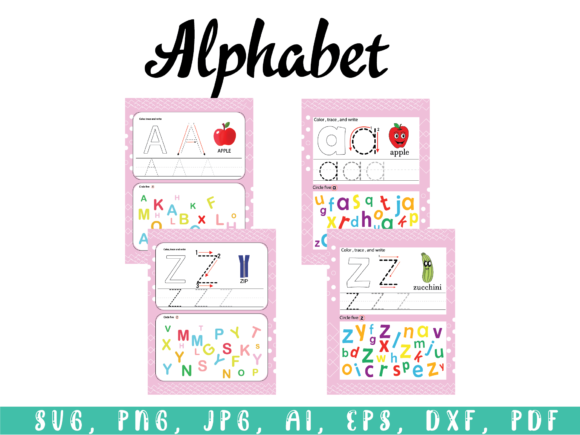
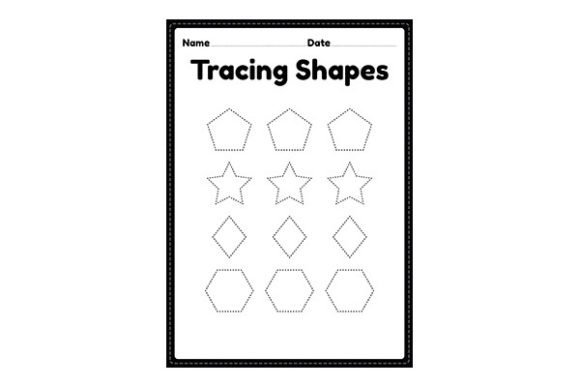
If you need clean sheets to start with, our library of preschool tracing worksheets covers lines, shapes, letters, and numbers so you can match the sheet to your child’s stage rather than the other way around.

The right way to guide a pencil without hovering
Here’s where a lot of well-meaning parents accidentally create resistance. We hover. We correct every stroke. We take the pencil and “show them.” And the child, sensibly, decides this activity belongs to us, not them.
Instead, guide from the side and let go early. A few things that genuinely help:
- Get the grip roughly right, then leave it alone. A relaxed tripod grip (pencil resting between thumb and first two fingers) is the goal, and a chunky triangular pencil or a short golf-sized pencil nudges little fingers into position naturally. If the grip is fisted at three, that’s fine, it will mature. Don’t turn grip into a battle.
- Use words, not your hands. “Start at the dot,” “go down,” “now curve around.” Verbal cues let the child stay in control of their own hand. If they’re truly stuck, place your hand lightly over theirs for one stroke, then release.
- Trace the “start” together, then hand it over. Do the first shape as a team, then genuinely sit back for the next one. Resist narrating every line.
- Praise the effort, not the accuracy. “You kept going all the way to the end!” is worth more than “That one was neat.” You’re rewarding persistence, which is the muscle that actually carries them into writing.
And please, don’t erase their work in front of them. Few things deflate a preschooler faster than watching a grown-up rub out what they just made.
What ‘good’ tracing looks like at ages 3, 4, and 5
This is the section I wish every parent read first, because it dissolves so much needless worry. “Good enough” looks very different at each age, and all of the following are completely on track:
- At age 3: Big, loose, off-the-line marks that vaguely follow the shape. Lots of overshooting the ends. A vertical line that’s really more of a lean. This is success. They’re feeling the direction of the stroke, and that’s the whole point.
- At age 4: Lines that stay near the guide most of the time, with recognizable straight lines, circles, and simple shapes. Letters and numbers may be wobbly, reversed, or oddly proportioned. Reversed letters are normal well into age six, so don’t correct them anxiously.
- At age 5: More controlled tracing that stays on the line most of the way, cleaner shapes, and the beginnings of forming letters without the dotted guide. Still expect the occasional backwards letter and uneven sizing.
Notice the phrase doing a lot of work here: “most of the time.” Perfection is not a preschool skill, and chasing it is the fastest route to a child who dreads the table. If you’d like more on how these small wins compound, my piece on tracing worksheets that build focus unpacks it further.
When your child pushes back – gentle off-ramps
At some point, your child will push the sheet away, scribble on purpose, or announce they’re “all done” thirty seconds in. This is not defiance and it’s not a failure. It’s usually one of three things: they’re tired, the task is a notch too hard, or they’ve simply had enough for today.
The golden rule: never turn tracing into a fight. A single bad experience can sour a child on the whole activity for weeks. Instead, keep a few gentle off-ramps ready:
- Shrink the ask. “Let’s just do this one line, then we’re finished.” Ending on a tiny success beats grinding through a full page.
- Change the tool. Swap the pencil for a crayon, a marker, or a finger tracing in the air. Sometimes the resistance is to the pencil, not the task.
- Add movement. Trace a giant shape in the air with your whole arm, or “drive” a toy car along the line before the pencil goes down. Motion resets a restless body.
- Let them lead. Offer a choice: “The wavy road or the straight road first?” A little control goes a long way.
- Stop, cheerfully. “Great work, let’s do more tomorrow.” Walking away calm and happy is a win, not a defeat. Tomorrow is a genuinely fresh start.
How often is enough (and when to stop for the day)
A few short sessions a week is plenty at this age; there’s no need for daily drilling, and daily drilling often backfires. Two or three relaxed sittings a week will move the needle without souring the mood. Within any single session, stop the moment you see the early signs of fatigue: fidgeting, gripping harder, tongue poking out with strain, or the marks getting wilder. Those are your cue to wrap up on a high note, not to push for “just one more.” Quality of attention matters infinitely more than quantity of pages.
Making one worksheet last a week
You don’t need a mountain of printouts. One good sheet can stretch a long way, which also keeps things simpler for you:
- Slip it into a clear sleeve or laminate it, and use a dry-erase marker. Now it’s reusable, wipe-clean, and there’s zero stakes if it gets messy.
- Rotate the tool day to day: pencil on Monday, crayon on Wednesday, a fingertip on the laminated version on Friday. Same sheet, fresh feeling.
- Trace it big first, small later. Do the shapes with a chunky marker early in the week, then a finer pencil later as their control grows.
- Let them “teach” a toy. Have your child show a stuffed animal how to trace the line. Explaining it cements the skill and adds a giggle.
Stretching one worksheet across a week also quietly takes the pressure off you to constantly produce new material, which keeps the whole thing sustainable.
Here’s what I’d leave you with: tracing is not a milestone to be conquered by a deadline. It’s a gentle, repeatable little ritual that, done calmly and briefly, hands your child a pencil and the belief that they can use it. Keep the sessions short, keep your expectations kind, and follow their lead at the first sign of resistance. Do that, and you’ll be amazed how much they grow, on their own timeline, with you cheering quietly from the side.
What to Have Ready Before You Print
A five-minute session goes smoothly when everything is already on the table.
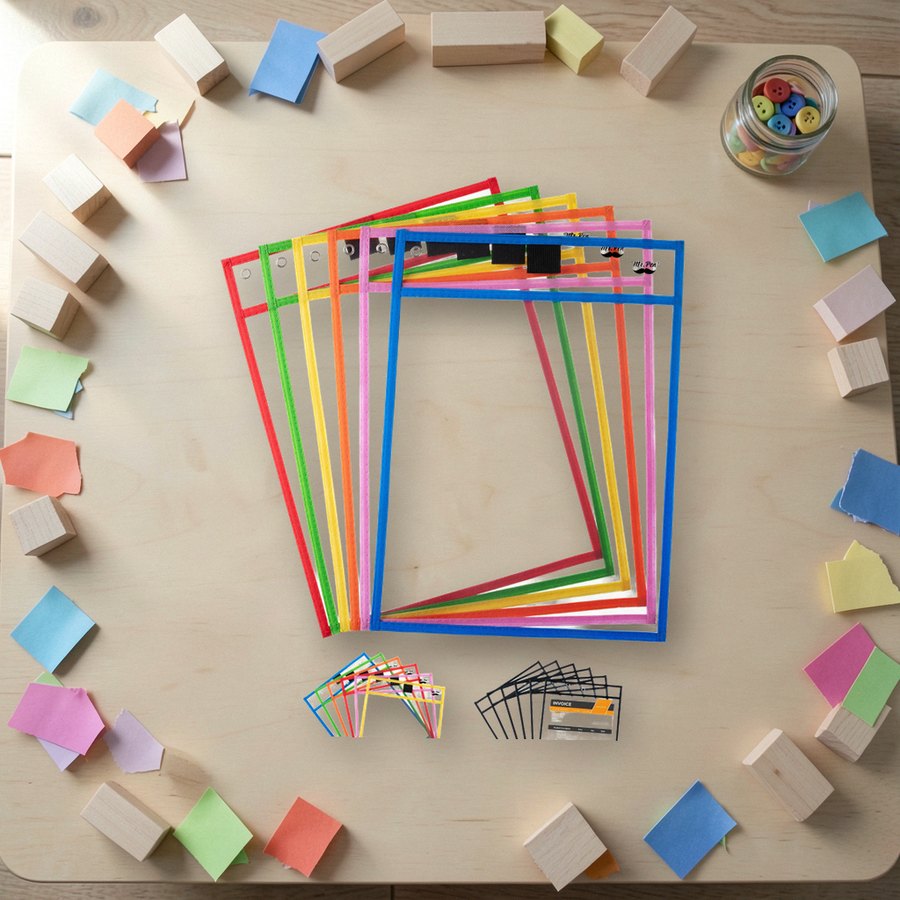 Reusable dry erase pocketsView on Amazon
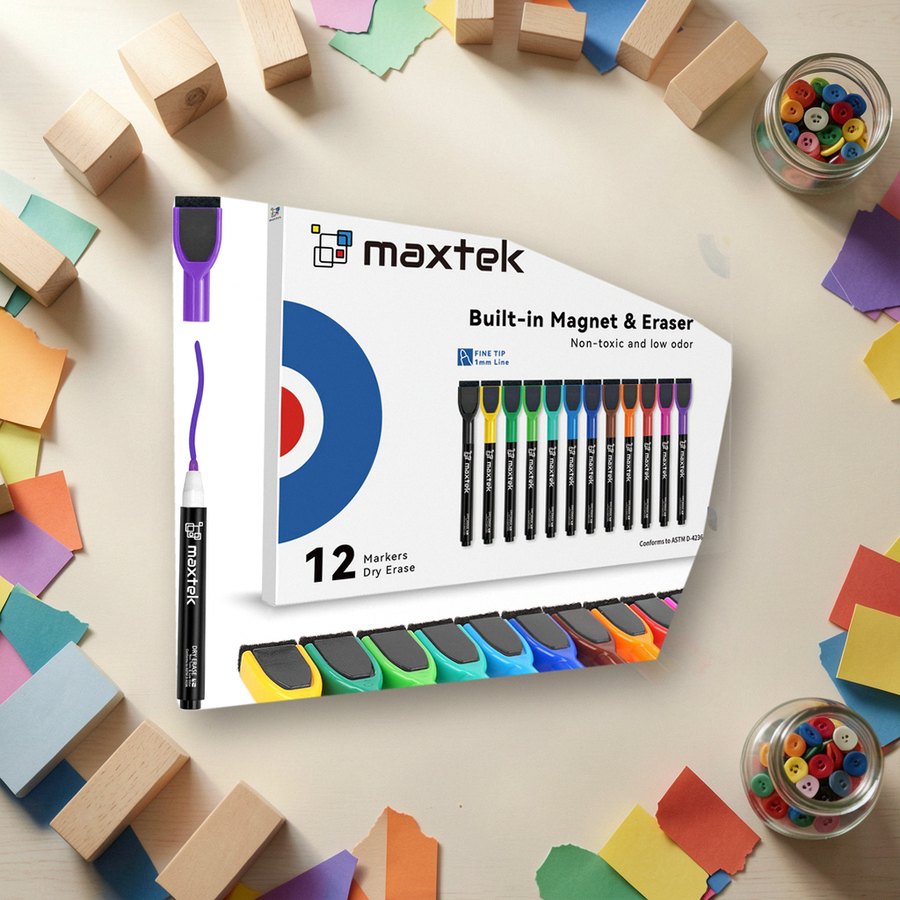 Fine-tip dry erase markers with eraser capsView on Amazon
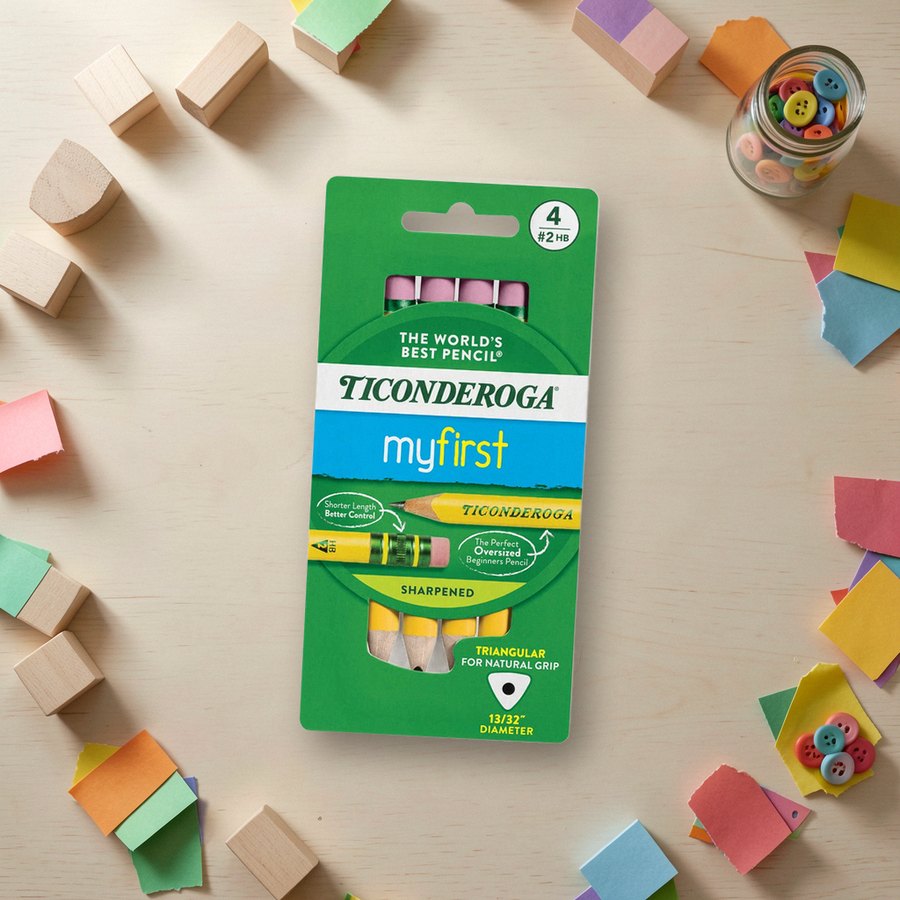 Short triangular beginner pencils (Ticonderoga)View on Amazon
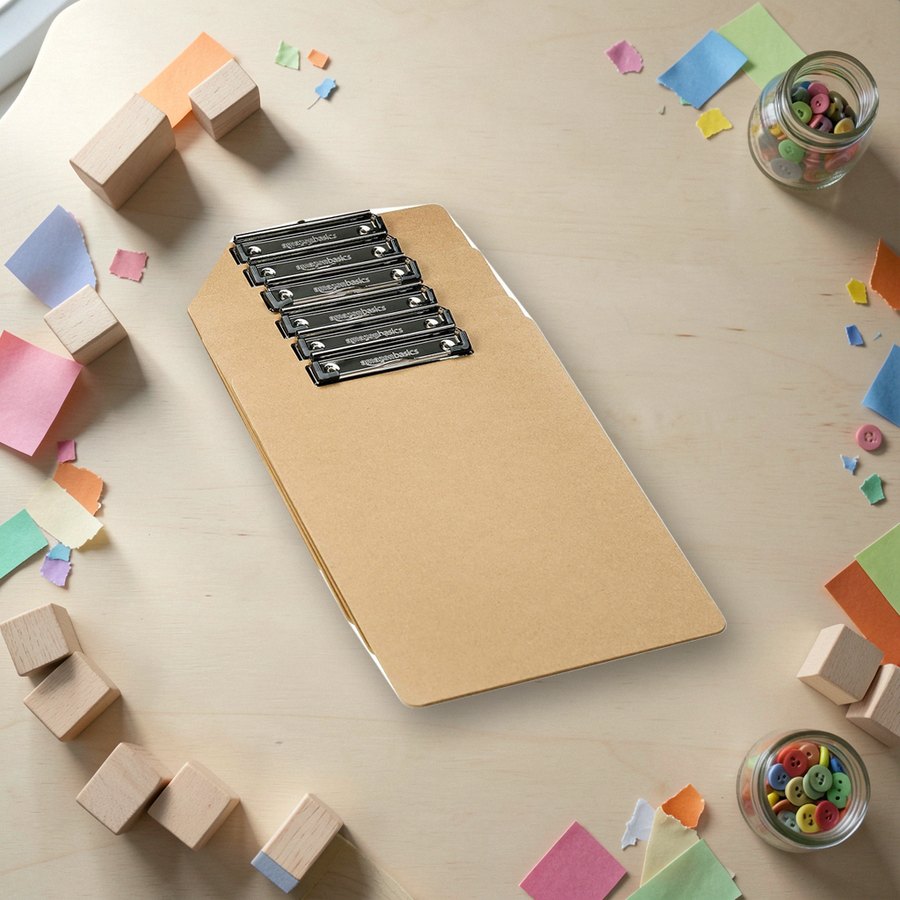 Letter-size clipboardView on Amazon
As an Amazon Associate, PrintableBloom earns from qualifying purchases.