Kindergarten Activities to Do at Home: A Calm Daily Plan for Ages 5-6
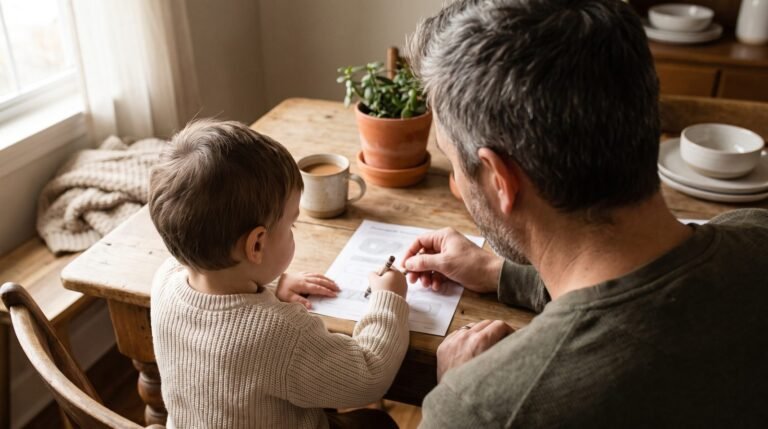
Your child comes home from kindergarten, drops the backpack by the door, and the last thing either of you wants is more school. I remember that afternoon feeling well, both as a teacher and as a mom: a little person who has already worked hard all day, and a parent who quietly wonders whether they should be doing something to keep the learning going. The good news is that a five- or six-year-old doesn’t need a second classroom at home. They need a warm, low-key rhythm that reinforces a few skills and then gets out of the way.
This is a gentle daily plan for kindergarten activities to do at home, built for real afternoons and real energy levels. It works whether your child attends school and you want light after-school practice, or you’re homeschooling and want structure without pressure.
What a 5-6 year old actually needs at home (not more school)
By kindergarten, most children are already getting a full dose of structured instruction during the school day. What tends to be missing at home isn’t more worksheets, it’s the calm, one-on-one reinforcement that only a parent can give. At this age, children are building foundational skills in reading, number sense, and handwriting, but they’re also learning how to manage a whole day, follow routines, and recover from being tired. All of that matters just as much.
So when I talk about at home learning for kindergarten, I mean short, focused, affectionate practice, not a mini school day. A five-year-old’s attention for seated work is genuinely brief, often ten to fifteen minutes before they need a change. That’s not a problem to fix; it’s simply how their brains are wired right now. The families who do best aren’t the ones cramming in the most activities. They’re the ones who show up consistently for a small amount and keep it warm.
Three things a child this age truly needs from home time:
- Connection first. A snack, a hug, a few minutes to decompress before anything academic. A regulated child learns; an overwhelmed one just endures.
- Repetition without pressure. Skills like letter sounds and counting deepen through gentle, repeated exposure, not through drilling until frustration.
- Plenty of unstructured time. Free play, movement, and boredom are where a lot of real development happens at five and six.
A gentle daily rhythm that fits after school
A rhythm is different from a schedule. A schedule says “3:45 phonics.” A rhythm says “after snack, we read together.” Rhythms are forgiving, they flex around a hard day or a late pickup, and they lower the number of decisions everyone has to make. Children this age feel safe when the shape of the afternoon is predictable, even if the exact timing isn’t.
Here’s a simple after-school shape that many families settle into:
- Arrive and unwind. Snack, water, a little quiet or outdoor time. No academics for the first 30 to 45 minutes.
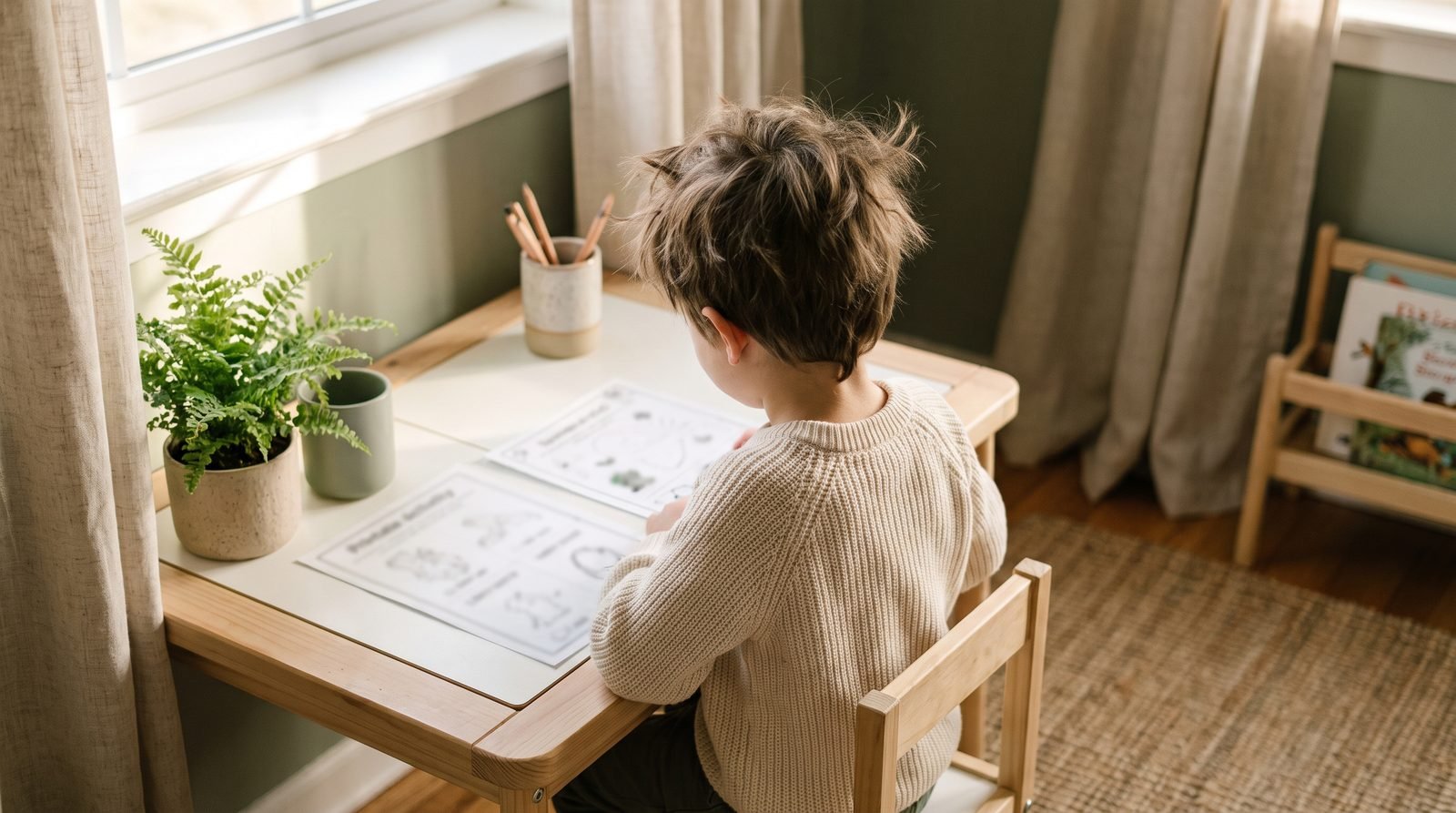
- One short learning block. Ten to twenty minutes of gentle practice at the table, rotating through reading, math, and handwriting across the week rather than all at once.
- Movement and free play. The longest part of the afternoon, and the most important.
- Wind-down. Bath, dinner, and a bedtime story, which quietly doubles as reading practice.
Notice that structured learning is one small slice. If you’re homeschooling and mornings are your main teaching time, the same principle holds: one focused block, then a long runway of play and movement. If you’d like a fuller framework you can adapt, this a daily learning routine for busy parents walks through building a calm rhythm step by step.
Reading and phonics: 10 minutes that count
Reading is the single highest-value thing you can do at home, and it needs less time than parents expect. Ten focused minutes, done most days, will do more than an hour on Sunday. At five and six, children are typically learning letter sounds, blending simple words, and starting to recognize common words on sight.
A few things that make those ten minutes count:
- Read aloud to them, every day. This builds vocabulary, comprehension, and a love of stories that outpaces any worksheet. Let them turn pages and predict what happens next.
- Play with sounds, not just letters. “What sound does sun start with? What other words start that way?” Sound awareness is the engine of early reading.
- Practice a small set of sight words. Words like the, and, is, and you appear constantly and don’t sound out neatly. Short, playful review builds fluency. Our kindergarten sight word practice is designed for exactly these low-key sessions.
- Blend simple words together. Sounding out c-a-t and pushing the sounds together is a milestone worth celebrating warmly.
If your child is still shaky on letter sounds, that’s completely normal for this age. Structured, gentle kindergarten phonics worksheets can give you a clear path to follow so you’re not guessing what comes next. Keep it light. The moment reading starts to feel like a test, close the book and try again tomorrow.
Simple math and number practice at the table
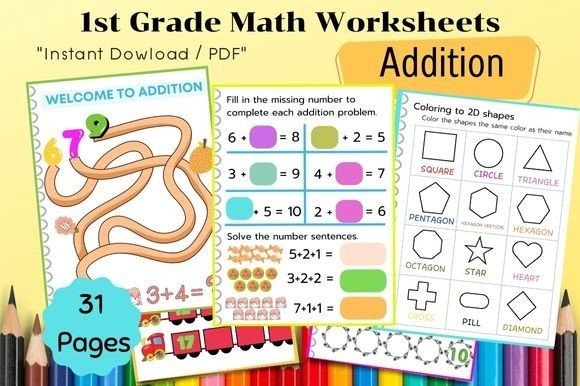
Kindergarten math is far more hands-on than most of us remember. At five and six, children are counting objects, understanding that numbers represent quantities, comparing “more” and “less,” and beginning to add and subtract very small amounts. The best home math barely looks like math at all.
Try weaving these into your short block or into everyday moments:
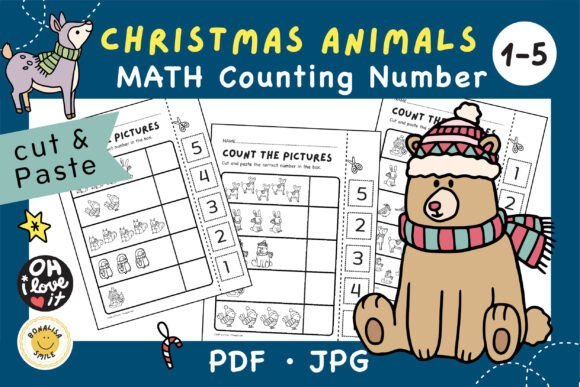
- Count real things. Grapes on a plate, steps to the door, forks on the table. Counting physical objects builds number sense far better than reciting numbers alone.
- Compare quantities. “Do you have more crackers, or does your brother? How many more?” This is early subtraction, hidden inside snack time.
- Practice writing numbers 0 to 20. A few numbers a day, formed carefully, is plenty. Reversed numbers are extremely common at this age and nothing to worry about.
- Play with simple sums using fingers or objects. “You have two blocks, I give you two more, now how many?” Keep totals small and let them count to check.
Board games and card games deserve a special mention. A round of a simple counting game teaches number recognition, turn-taking, and one-to-one counting all at once, and it feels like play because it is play. Some of the most valuable kindergarten math happens with dice and a game board, not a worksheet.
Handwriting and tracing that keeps building skills
Handwriting is where a little regular practice pays off, because it’s a physical skill that improves through repetition. At this age, children are strengthening the small hand muscles they need to control a pencil, learning correct letter formation, and building the stamina to write more than a word or two. Rushing this stage tends to bake in awkward habits, so slow and steady genuinely wins.
Keep handwriting sessions short and pressure-free:
- Aim for three to five letters or a short line, not a full page. Quality over quantity protects both their hand and their willingness.
- Focus on how letters are formed, not just how they look. Starting strokes in the right place makes writing faster and neater later.
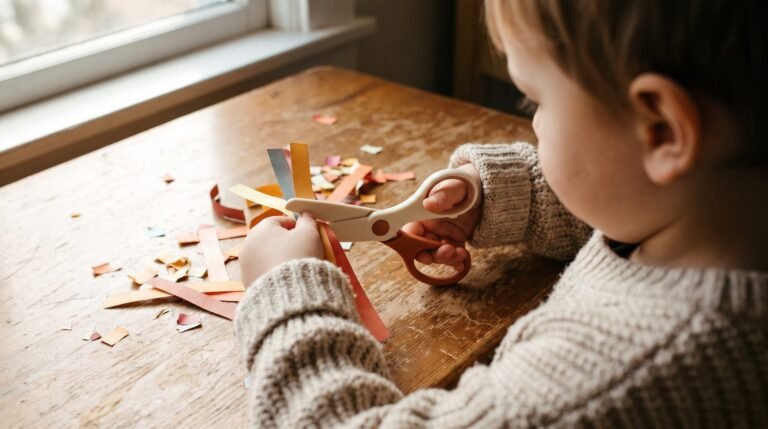
- Strengthen little hands away from the desk too. Playdough, tearing paper, threading beads, and using tongs to move pom-poms all build the same muscles that hold a pencil.
- Let tracing lead into free writing. Tracing gives the muscle memory; copying and then writing independently builds confidence.
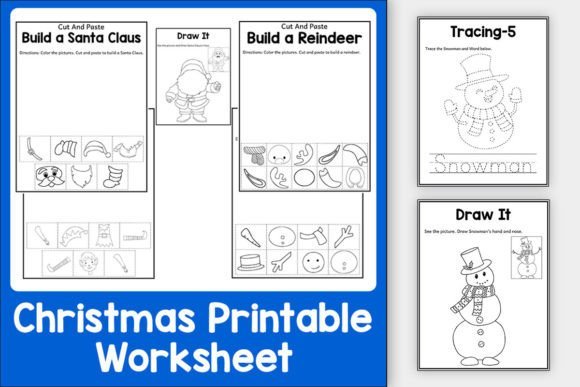
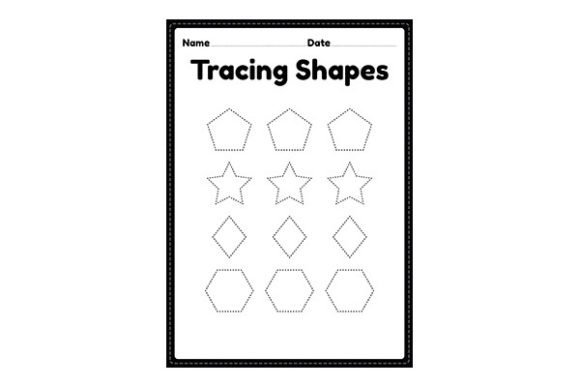
Guided pages take the guesswork out of letter formation and give your child clear lines to follow. Our kindergarten handwriting practice is built to grow with them, from tracing toward independent writing, at a pace that feels achievable.
Movement and screen-free downtime
If you take away one idea from this whole plan, let it be this: movement and free play are not the reward after the “real” learning. For a five- or six-year-old, they are real learning. Running, climbing, building, and imaginative play develop coordination, problem-solving, language, and emotional regulation, and they help a tired kindergartner shake off the day.
Protect this time generously. After a full school day, most children need to move their bodies and follow their own ideas far more than they need another structured task. A backyard, a park, a pile of blocks, a blanket fort, dress-up, drawing, or simply being pleasantly bored all count. Screen-free downtime, in particular, gives children the mental space to invent, negotiate, and self-direct, which are exactly the skills that don’t fit on a worksheet.
None of this means screens are the enemy. It means the balance for this age tips heavily toward hands-on, moving, playing time, with brief, warm academics tucked inside a much larger day of childhood.
A sample 30-minute at-home block
Here’s what a single gentle block might look like on a school afternoon, once your child has had a snack and a chance to decompress. You’d rotate the focus day to day rather than doing all of it at once:
- Minutes 0-10: Read together. You read aloud, then your child reads a line or two, or reviews a handful of sight words with you.
- Minutes 10-20: One skill of the day. Either a short math game and a few written numbers, or a few lines of handwriting practice. Not both.
- Minutes 20-30: Their choice. A game, a puzzle, drawing, or a favorite book. Ending on something they love keeps the whole block warm.
Thirty minutes, most days, is a genuinely strong amount of at-home practice for this age. If your child is having a hard day, ten minutes of reading together is more than enough. Consistency matters far more than duration.
How to keep it consistent without power struggles
The families who keep this going aren’t more disciplined, they’ve just removed the friction. A few things that help:
- Anchor it to something that already happens. “After snack, before play” is easier to remember than a clock time, and it survives messy days.
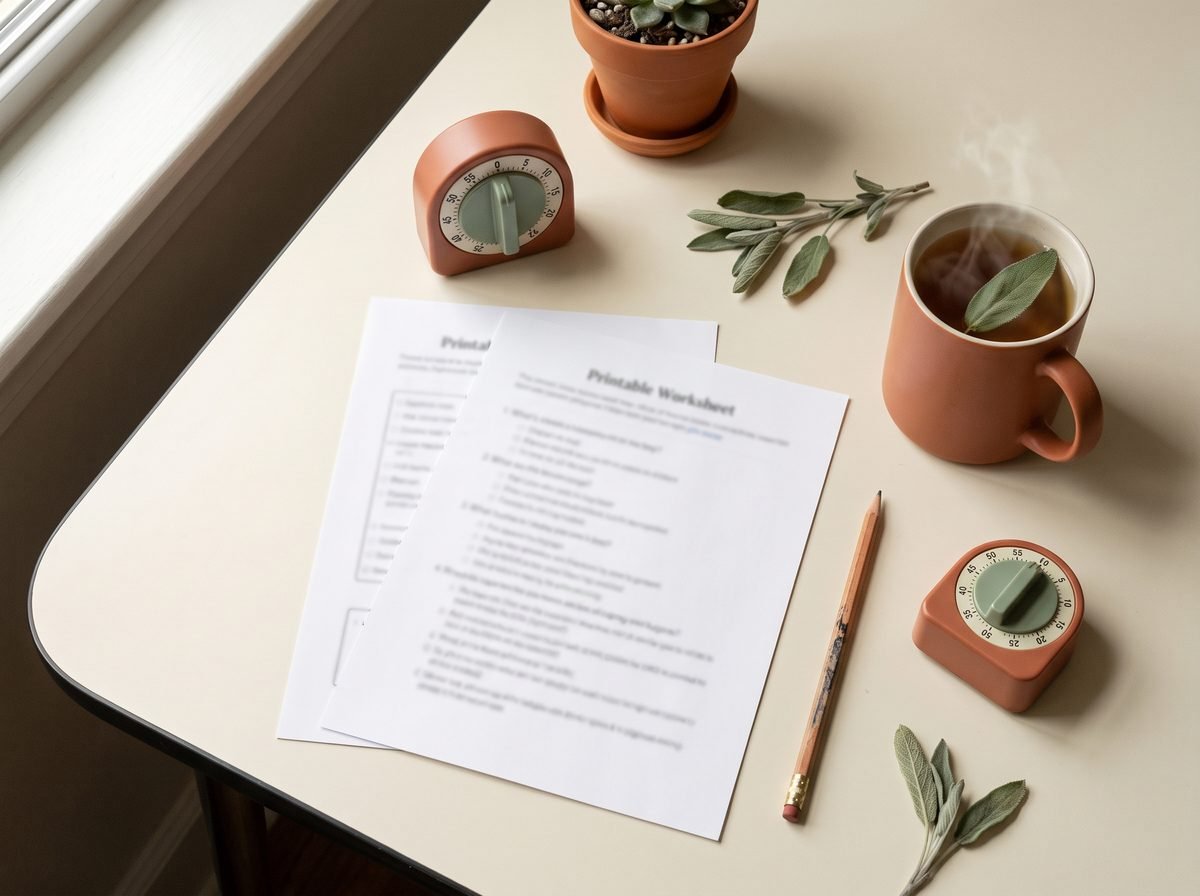
- Keep materials ready and visible. A small basket with pencils, a few worksheets, and a favorite book means you start in seconds instead of hunting for supplies.
- Offer choices inside the routine. “Do you want to read first or do numbers first?” gives your child a feeling of control, which heads off a lot of resistance.
- Stop before the meltdown, not after. Ending while it’s still going well leaves your child wanting to come back. Pushing to the point of tears teaches them to dread it.
- Let some days be light. A tired kindergartner who only cuddles up for a bedtime story still had a good learning day. Missing a block is not falling behind.
Power struggles usually mean the demand is too big, the timing is wrong, or your child is simply spent. When that happens, shrink the task, move it earlier or later, or let it go for the day. Your relationship is the thing that keeps them motivated for years; no single worksheet is worth spending it.
You don’t need to recreate school at your kitchen table. A little reading, a little math, a little handwriting, and a lot of play, offered warmly and consistently, is exactly what a five- or six-year-old needs from home. Start small, stay kind, and trust that these calm, repeated moments add up. You’re already doing more than you think.
Supplies for the Daily Plan
One small set covers the reading, math and writing blocks in the plan above.
 Magnetic letters and numbersView on Amazon
 Linking math cubes, set of 100View on Amazon
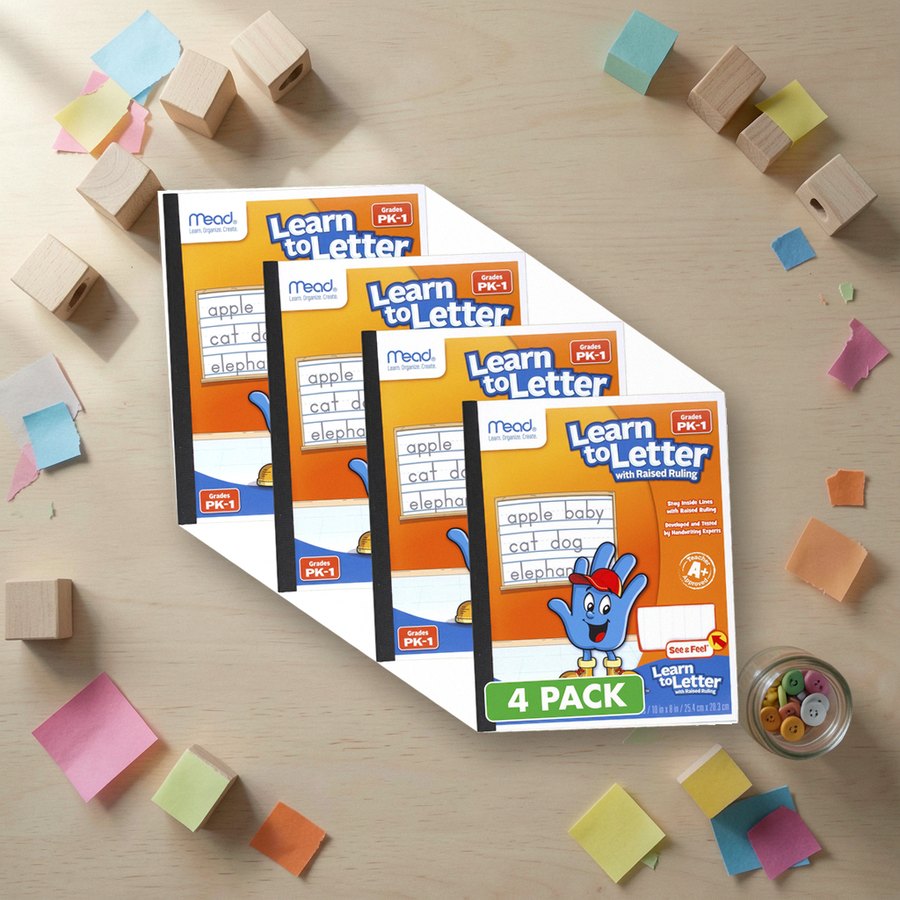 Primary writing tablet with dotted midlineView on Amazon
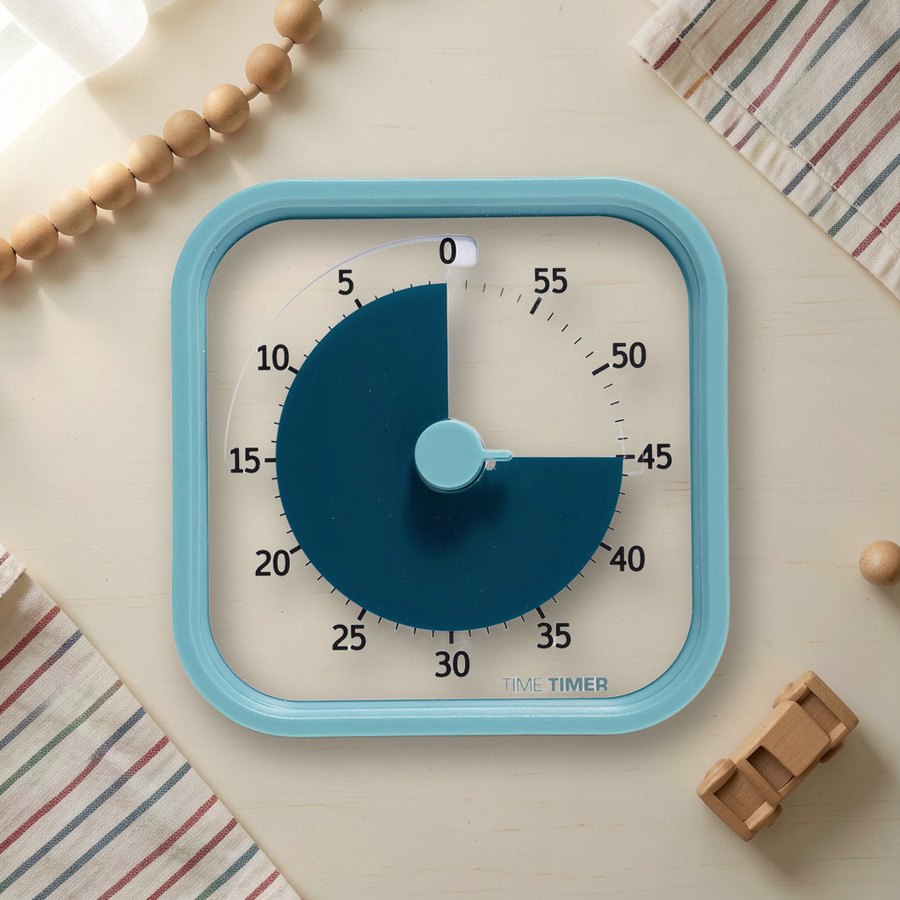 60-minute visual timer (Time Timer)View on Amazon
As an Amazon Associate, PrintableBloom earns from qualifying purchases.