Daily Preschool Learning Routine for Busy Moms
Here’s the fantasy: a peaceful morning where your preschooler sits at the table, works through a few educational activities, and you feel like a genuinely intentional parent. Here’s the reality: it’s 9am, someone already spilled their cereal, you have three things to do before noon, and “learning time” is the last thing anyone feels like doing.
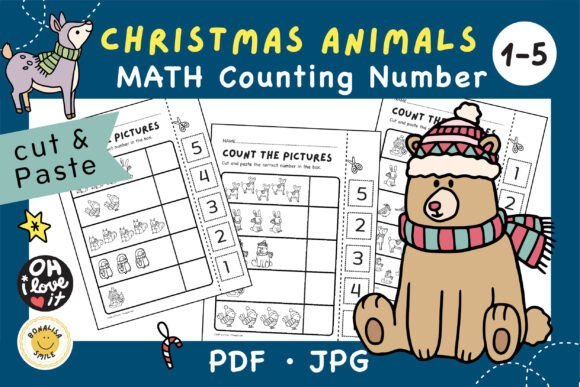
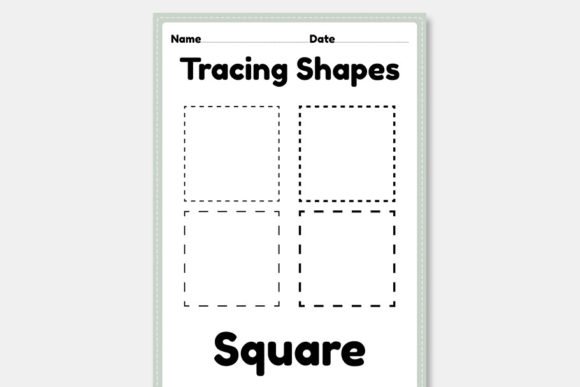
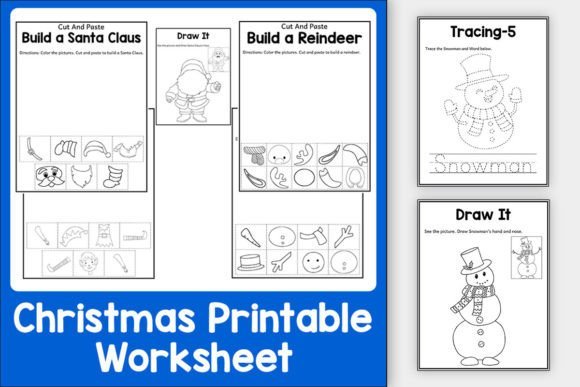
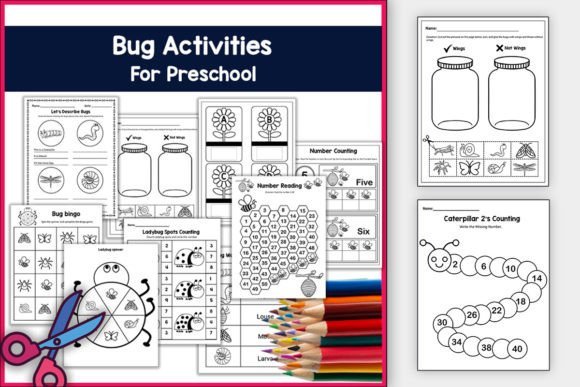
A preschool learning routine doesn’t have to look like a homeschool classroom to be effective. It just needs to be consistent, low-pressure, and realistic for the life you’re actually living. If you want simple printable activities that slot right into a routine without any prep, our preschool worksheets are designed exactly for that. But first — let’s build a routine that actually works on real days, not just ideal ones.

Why a Preschool Learning Routine Matters — Even a Simple One
You don’t need to schedule every minute of your child’s day. But child development experts consistently find that predictable daily rhythms — even loose ones — provide young children with something genuinely important: a sense of what comes next.
When a preschooler knows that after breakfast comes a short learning time, and after that comes free play, they move through the day with less resistance and less anxiety. The routine itself becomes the signal. You stop negotiating and start transitioning. Over weeks and months, those predictable learning slots add up to hundreds of hours of low-pressure educational exposure — without any single day feeling like a big deal.
What a Realistic Preschool Daily Schedule Looks Like
This isn’t a perfect homeschool timetable. It’s a real-life rhythm that works even on the days when everything goes sideways.
| Time Block | Activity | Learning That Happens |
|---|---|---|
| Morning (after breakfast) | 10–15 min table activity: worksheet, tracing, or coloring | Fine motor, letters, numbers, focus habit |
| Mid-morning | Free play — indoors or outdoors | Creativity, problem-solving, language, gross motor |
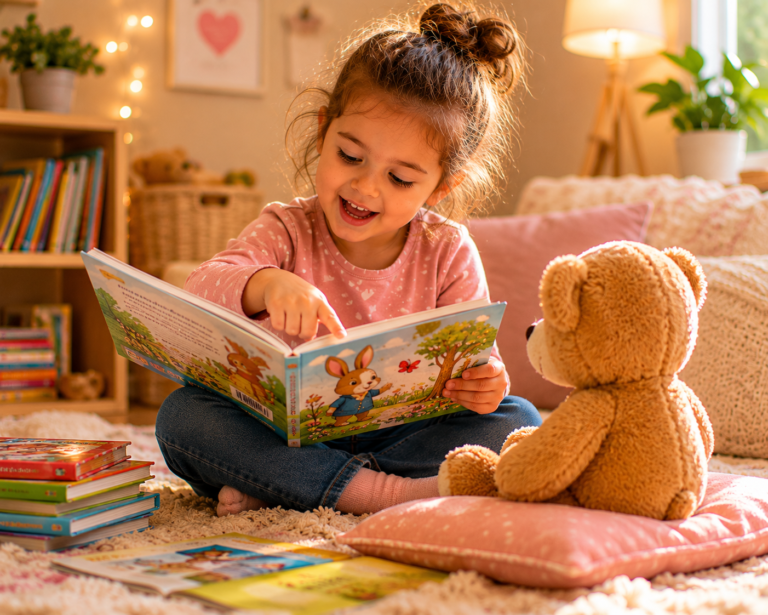
| Before lunch | 5 min read-aloud together | Vocabulary, listening, early literacy, bonding |
| After nap / quiet time | Hands-on activity: playdough, sensory, puzzles | Fine motor, spatial reasoning, self-directed focus |
| Late afternoon | Outdoor play or movement activity | Gross motor, nature exploration, social skills |
Total structured learning time: about 20–30 minutes. Total learning happening across the day: much more than that — just embedded in normal life.
Building Your Preschool Learning Routine Step by Step
Start With One Anchor, Not a Full Schedule
The biggest mistake parents make when building a homeschool preschool routine is trying to schedule everything at once. Start with one anchor: one consistent learning moment that happens at the same time every day. For most families, right after breakfast works well — everyone is fed, transitions are fresh, and the day hasn’t derailed yet.
Once that single anchor becomes habit — usually after two to three weeks — you can add a second. Build gradually rather than launching a full schedule that collapses under real-life pressure by day three.
Keep Structured Learning Activities Short
Early childhood educators are very clear on this: preschool learning sessions should be short. Ten to fifteen minutes of focused table activity is appropriate for most three- and four-year-olds. Trying to extend beyond that point of natural engagement rarely produces more learning — it usually just produces resistance that makes the next session harder.
Short sessions done consistently every day will always outperform long sessions done sporadically. Always.
Use a “Learning Menu” Rather Than a Fixed Plan
Instead of planning exactly what you’ll do each day, keep a small collection of go-to activities ready — a “learning menu” you can choose from based on what your child (and you) actually have capacity for that day:
- High energy day: movement-based counting, letter hunt around the house, playdough
- Calm focused day: tracing worksheet, coloring page, simple puzzle
- Tired/hard day: one book read aloud together — that counts, and it’s enough
Spend five minutes on Sunday printing or setting aside 4–5 worksheets for the week. Keep them in a simple folder. When morning learning time arrives, you’re not scrambling for something to do — you just open the folder. This tiny bit of prep removes the biggest friction point in maintaining a consistent educational routine for preschoolers.
Let Your Child Have Some Control
Preschoolers are at a developmental stage where autonomy matters enormously. Offering a small choice within the routine reduces resistance dramatically: “Do you want to do the coloring page or the tracing page today?” They pick, they feel ownership, and they’re far more likely to engage. The learning happens either way — the choice just makes it easier to get started.
Link Learning to Existing Routines
The most sustainable preschool learning routines are ones that attach to things already happening — not things that require new habits from scratch. Reading before nap. Counting while cooking. Letter spotting on the walk to the park. Tracing while you have your morning coffee. These learning moments don’t require a cleared schedule — they require a slight shift in attention during things you’re already doing.

What Goes Into a Good Preschool Learning Session
When you do sit down for a structured learning moment, here’s what makes it actually work:
- One activity at a time. Don’t stack three things. One focused activity done well is worth three rushed ones.
- You nearby, not hovering. Sit close enough to help if asked, far enough that they work independently. This builds self-direction alongside skill.
- Specific praise over generic praise. “I noticed how carefully you followed that line” lands better than “good job.” Specific feedback builds the habits you want to continue.
- A clear, calm ending. “You finished your tracing page — now it’s free play time.” The predictability of what comes next reduces the transition resistance that often derails good sessions.
Our toddler worksheets and kindergarten worksheets are designed with exactly this kind of session in mind — one calm, focused page that fits naturally into a 10–15 minute morning slot.

When the Routine Falls Apart (Because It Will)
Sick days happen. Travel happens. Stressful weeks happen. A routine that collapses under real life pressure isn’t a failed routine — it’s just a paused one. The difference between families who maintain learning habits long-term and those who don’t is simple: the ones who succeed don’t demand perfection. They restart without drama.
Miss a week? Start again Monday. No explanation needed, no catch-up required. Just: “Tomorrow we’ll do our morning learning time again.” And then you do.
A Simple Preschool Daily Learning Checklist
- One table activity after breakfast (10–15 min)
- At least one read-aloud per day
- One hands-on activity (playdough, puzzles, sensory play)
- Outdoor time or active movement
- At least one counting or letter moment woven into daily routines
- Sunday: print 4–5 worksheets for the week and put them in a folder
Supplies That Keep the Routine Simple
The routine holds when starting takes no effort: today's page on a clipboard and a timer that ends the session for you.
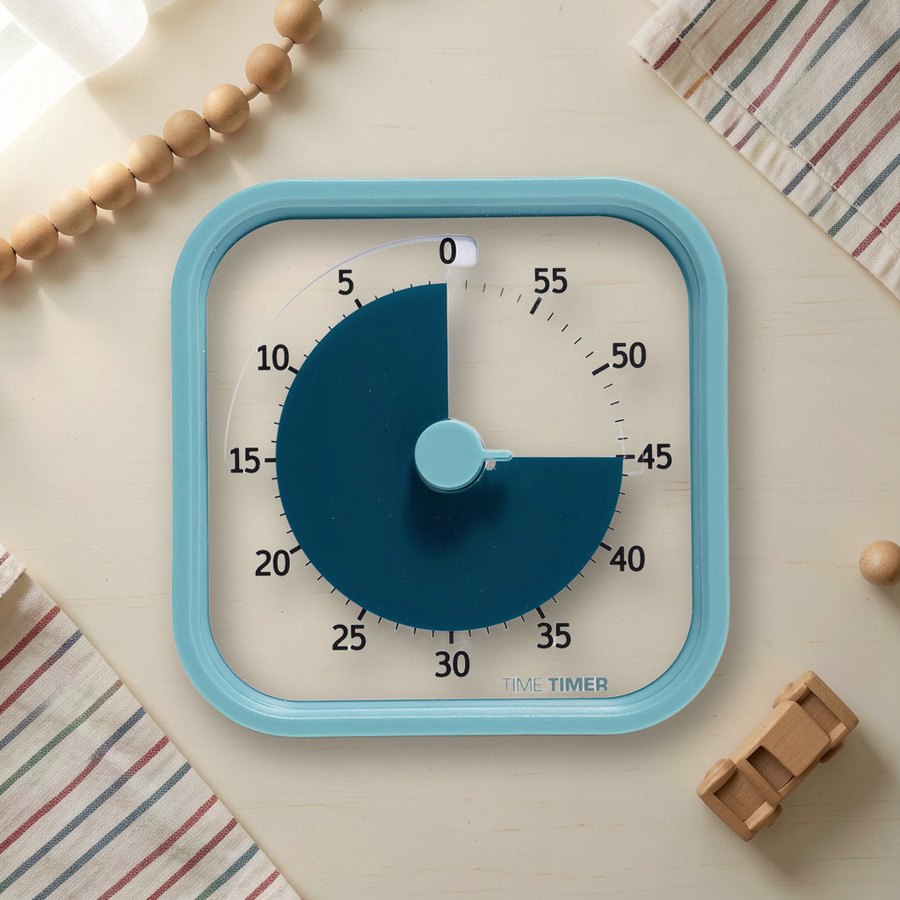 60-minute visual timer (Time Timer)View on Amazon
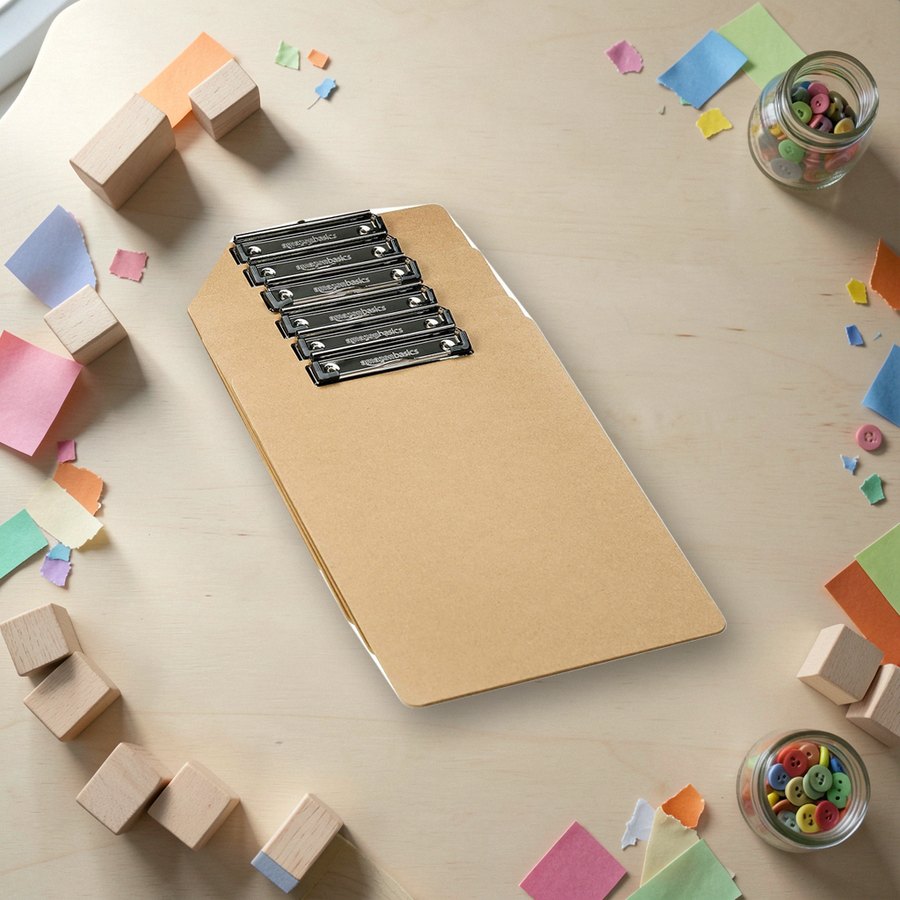 Letter-size clipboardView on Amazon
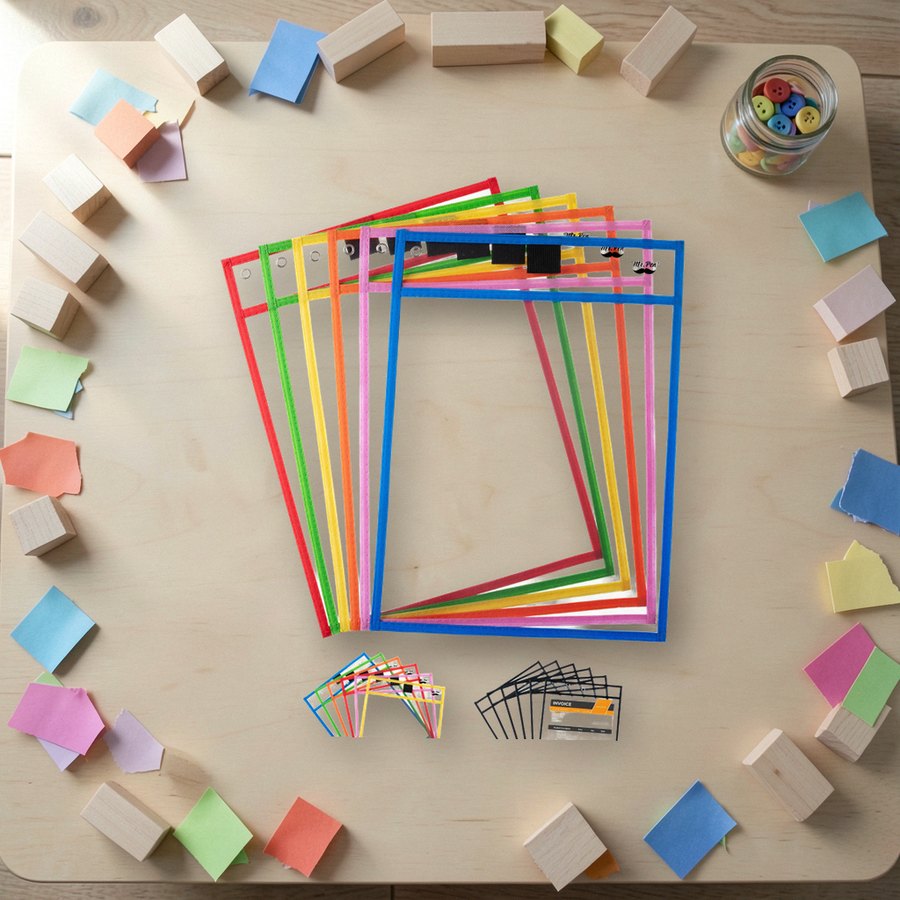 Reusable dry erase pocketsView on Amazon
As an Amazon Associate, PrintableBloom earns from qualifying purchases.
Conclusion
A preschool learning routine doesn’t have to be beautiful or elaborate to change your child’s trajectory. It just has to be real. Consistent. Calm. Gentle enough that it actually happens on ordinary days, not just the days when you have extra time and energy.
The ten minutes after breakfast. The book before nap. The counting game in the car. None of it feels like much in the moment. But over months and years, those small, repeated moments stack into something remarkable — a child who loves learning, who asks questions, who reaches for a book or a pencil naturally because that’s just what their days have always included.
You don’t have to be a perfect teacher. You just have to show up, most days, in the small ways. That is genuinely enough.
Frequently Asked Questions
How much structured learning time should a preschooler have each day?
Most early childhood educators recommend 15–30 minutes of structured learning activity per day for preschoolers — broken into short sessions rather than one long block. The rest of the day’s learning happens through play, conversation, read-alouds, and everyday routines. More structured time than this rarely produces better outcomes and often produces more resistance.
What should be included in a daily preschool routine at home?
A well-rounded home preschool routine includes some combination of: a short structured activity (worksheet, tracing, or coloring), daily read-aloud time, free play, a hands-on activity (playdough, puzzles, building), outdoor or movement time, and naturally embedded learning moments (counting, letter spotting, simple conversations about the world). You don’t need all of these every day — a few, consistently, is enough.
What time of day is best for preschool learning activities?
For most preschoolers, mid-to-late morning — after breakfast and before lunch — is the optimal time for focused table activities. Children are fed, rested, and alert. Afternoons after nap can work well for hands-on activities. Avoid pushing structured learning when your child is tired, hungry, or just transitioning into or out of a sleep period.
My preschooler refuses to do any learning activities at home. What should I do?
Start smaller than you think you need to. One book at bedtime. One coloring page a week — nothing more. Gradually, gently add without making it feel mandatory. Resistance often comes from feeling pressured or from activities that aren’t matched to the child’s current interest or ability level. Following the child’s lead — even a little — and keeping experiences consistently positive usually breaks through refusal over a few weeks.
Do I need a structured homeschool curriculum for my preschooler?
No. A formal curriculum is not necessary for preschool-age learning at home. Consistent read-alouds, play-based fine motor activities, simple printable worksheets, and everyday counting and letter exposure cover the developmental territory that matters most. A structured curriculum can be a helpful organizing tool for some parents, but it’s the consistency of daily habits — not the curriculum itself — that drives learning outcomes at this age.
How do I stay consistent with a preschool learning routine when life gets busy?
Keep the bar low enough that it’s achievable on hard days. One book counts. Five minutes of playdough counts. A short worksheet at breakfast counts. When the minimum is genuinely small, you can always hit it — even on the worst days. Routines that require ideal conditions to maintain don’t survive real life. Routines that require almost nothing on hard days become permanent.
Related reading
- Homeschool Learning Ideas for Preschoolers That Actually Work
- How Long Should Preschool Learning Sessions Be?
- What to Do If Your Child Hates Worksheets
- Why Tracing Activities for Preschoolers Matter Before Writing