Signs Your Child Is Ready for Handwriting Practice
One of the most common questions parents ask around age three or four is some version of: “Should we be doing handwriting yet?” And it’s a genuinely good question — because starting too early can create frustration and bad habits, while waiting too long misses an ideal developmental window. The answer isn’t really about age. It’s about readiness. And readiness has specific, observable signs.
Understanding handwriting readiness skills means you can meet your child exactly where they are — neither pushing too soon nor holding back when they’re actually ready. If you’re looking for a calm, structured place to begin once those signs appear, our handwriting worksheets are a great starting point. But first, let’s look at what readiness actually looks like.

Why Handwriting Readiness Skills Matter More Than Age
Most parents assume handwriting practice should begin at a certain age — three, four, or whenever preschool starts. But child development experts are consistent on this point: the right time to begin is when a child shows specific readiness indicators, not simply when they reach a birthday milestone.
Starting formal handwriting practice before a child is physically and cognitively ready doesn’t accelerate development — it usually creates compensating habits (fisted grips, incorrect letter formation, excessive pressure) that become harder to undo the longer they’re practiced. Research shows that children who begin handwriting once the readiness foundations are in place learn correct letter formation faster, with less frustration, and with better long-term outcomes.
The Key Handwriting Readiness Skills to Look For
These are the signs early childhood educators and occupational therapists look for before introducing structured handwriting. You don’t need to see every single one — but the more of these you observe, the more confidently you can begin.
1. They Can Hold a Crayon or Pencil With Fingers (Not a Fist)
This is the most fundamental readiness signal. A child who is still using a whole-hand fisted grasp doesn’t yet have the fine motor strength and control to manage the demands of letter formation. Look for at least a static tripod position — thumb, index, and middle finger on the pencil — even if the movement isn’t fluid yet.
2. They Can Copy Simple Shapes
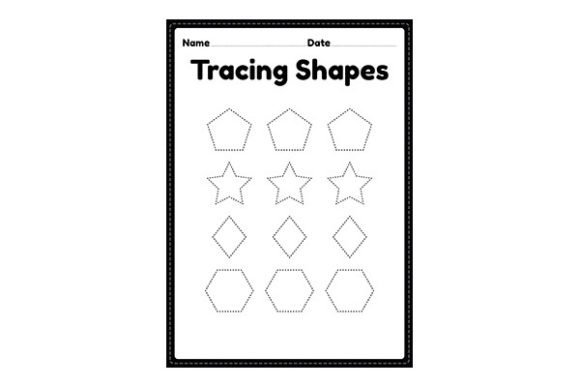
Before letters, there are shapes — and shapes are made of the same lines and curves that letters are. A child who can draw a recognizable circle, a cross, a square, and a triangle on request has the visuomotor integration needed for letter formation. If they’re still at the scribbling stage with shapes, pre-writing activities need more time first.
3. They Show Interest in Letters and Writing
Does your child ask what letters say? Try to copy words they see? Pretend to “write” notes or lists? Interest and motivation are powerful readiness signals. A child who wants to write is already primed for the challenge in a way that makes the whole process smoother. You don’t need to manufacture enthusiasm — if it’s there, lean into it.
4. They Can Follow a Path or Stay Within Boundaries
Coloring within lines (even approximately), following a maze path, or completing dot-to-dot activities all demonstrate the visual-motor tracking that letter writing requires. If a child scribbles freely without any sense of direction or boundary, more tracing and path-following practice will build this skill before handwriting begins.
5. They Have Enough Sitting Tolerance for Short Tasks
Handwriting requires sitting still and focusing on a small, controlled task for at least 5–10 minutes. A child who can’t yet sustain that kind of seated focus — not because they’re poorly behaved, but because their self-regulation is still developing — will struggle with formal handwriting practice regardless of their physical readiness. Short, playful pre-writing activities can build this tolerance gradually.
6. They Know Some Letter Names or Sounds
Writing is a language task as much as a motor task. A child who has some letter knowledge — even just the letters of their own name — approaches handwriting with meaningful context. That context makes letter formation much more memorable than if a letter is just an abstract shape to copy.
Handwriting Readiness by Age: A Rough Guide
| Age | Typical Stage | What to Focus On |
|---|---|---|
| 2–3 years | Scribbling, fisted crayon grip, no intentional shapes yet | Free drawing, playdough, chunky crayons — no formal writing |
| 3–3.5 years | Beginning to draw circles, some shape awareness | Line tracing, simple shape tracing, pre-writing worksheets |
| 3.5–4.5 years | Copies basic shapes, transitioning grip, letter interest emerging | Letter tracing starting with name letters, structured tracing activities |
| 4.5–6 years | Most readiness signs present; letter formation developing | Structured handwriting practice, letter formation worksheets, name writing |
Ask your child to draw a person. Early childhood researchers use the “Draw-a-Person” test as a developmental indicator — a child who draws a recognizable person with a head, body, and limbs is typically showing the cognitive and motor integration needed for early handwriting. No pressure — it’s just a useful informal signal to observe.
What to Do If Your Child Isn’t Ready Yet
Not ready yet doesn’t mean delayed — it just means the pre-writing foundations need more time. Here’s how to build those foundations playfully:
More Playdough and Fine Motor Play
Hand strength is the physical foundation of writing readiness. Playdough, tongs activities, lacing cards, and spray bottles build the intrinsic hand muscles that make pencil control possible. Our fine motor skills worksheets offer structured options alongside play-based ideas.
Shape and Line Tracing Practice
Before letters come shapes, and before shapes come lines. Simple tracing pages — straight lines, curved paths, zigzags — build the visuomotor control that letter formation requires. Keep it to 5–10 minutes, make it calm and positive, and let the progression happen naturally.
Immersive Letter Exposure
Read together daily. Point out letters in the environment. Write your child’s name in front of them often. This letter exposure builds the knowledge and motivation that makes handwriting feel meaningful when the time comes.
What to Do Once Your Child IS Ready
When the readiness signs are there, here’s how to start handwriting practice in a way that builds good habits from the beginning:
- Start with their name. The letters of a child’s own name are the most meaningful — and meaning makes learning stick.
- Use large-line paper or no lines at first. Tight line spacing adds a constraint children don’t need in the early stage.
- Uppercase letters before lowercase. Uppercase letters are formed mostly with straight lines and simple curves — easier to learn and less prone to reversal confusion.
- Keep sessions to 10 minutes maximum. Quality over quantity every time — short, focused, positive sessions beat long, exhausting ones.
- Celebrate the process, not the product. A wobbly letter written with concentration and care is more valuable than a perfect letter the child didn’t enjoy producing.
Our kindergarten worksheets and pre-k worksheets cover the full range of early handwriting stages — from first tracing through independent letter writing — in a calm, structured format.

Signs Your Child Might Need Extra Support
Most children develop handwriting readiness naturally with the right environment and support. But some signs suggest an occupational therapy assessment might be helpful:
- Still using a fisted grip at age 5+ despite regular fine motor practice
- Significant pain or fatigue during very short writing tasks
- Extreme avoidance of all drawing, coloring, or fine motor activities
- Difficulty copying simple shapes (circle, cross, square) at age 4.5+
- Writing that looks significantly less controlled than peers at the same age
These aren’t causes for alarm — early intervention from a pediatric occupational therapist is genuinely effective, and most children make rapid progress with the right support.

A Handwriting Readiness Checklist
- Holds crayon or pencil with fingers, not full fist
- Can copy a circle, cross, and square when shown
- Shows interest in letters or tries to “write” independently
- Can follow a simple tracing path on paper
- Sits for 5–10 minutes on a focused table activity
- Knows at least some letters — ideally from their own name
- Draws intentionally (not just random scribbles)
Supplies for First Handwriting Practice
When the readiness signs are there, start with tools sized for a small hand and paper with a clear middle line.
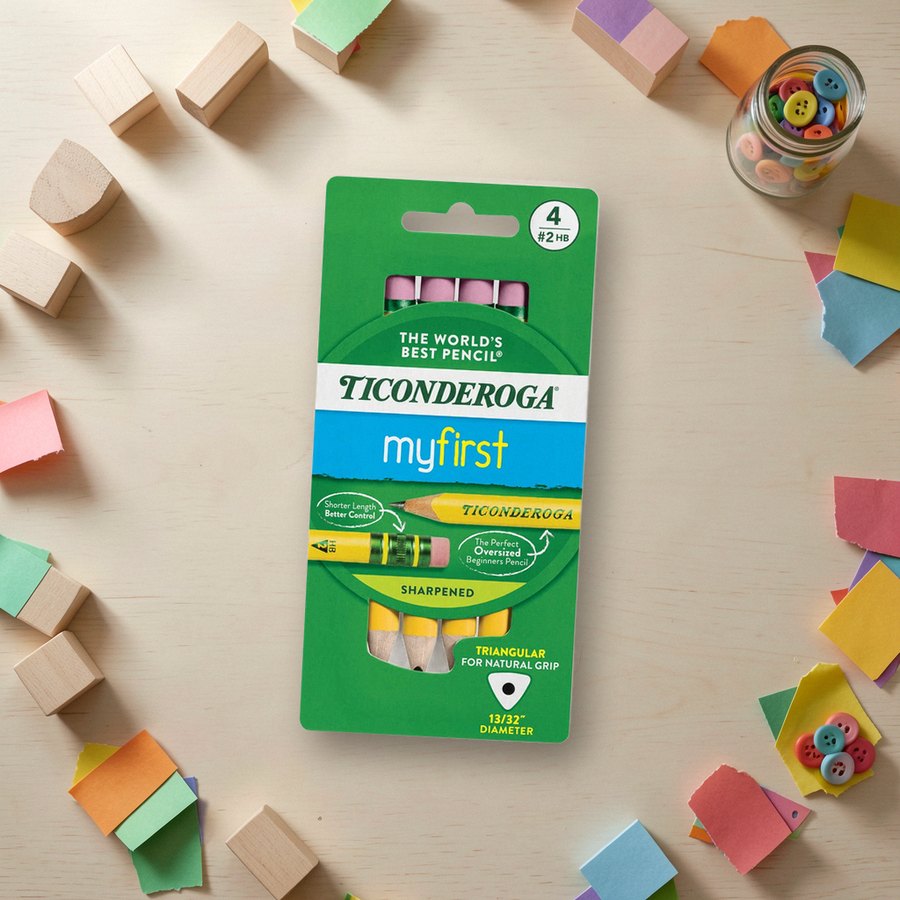 Short triangular beginner pencils (Ticonderoga)View on Amazon
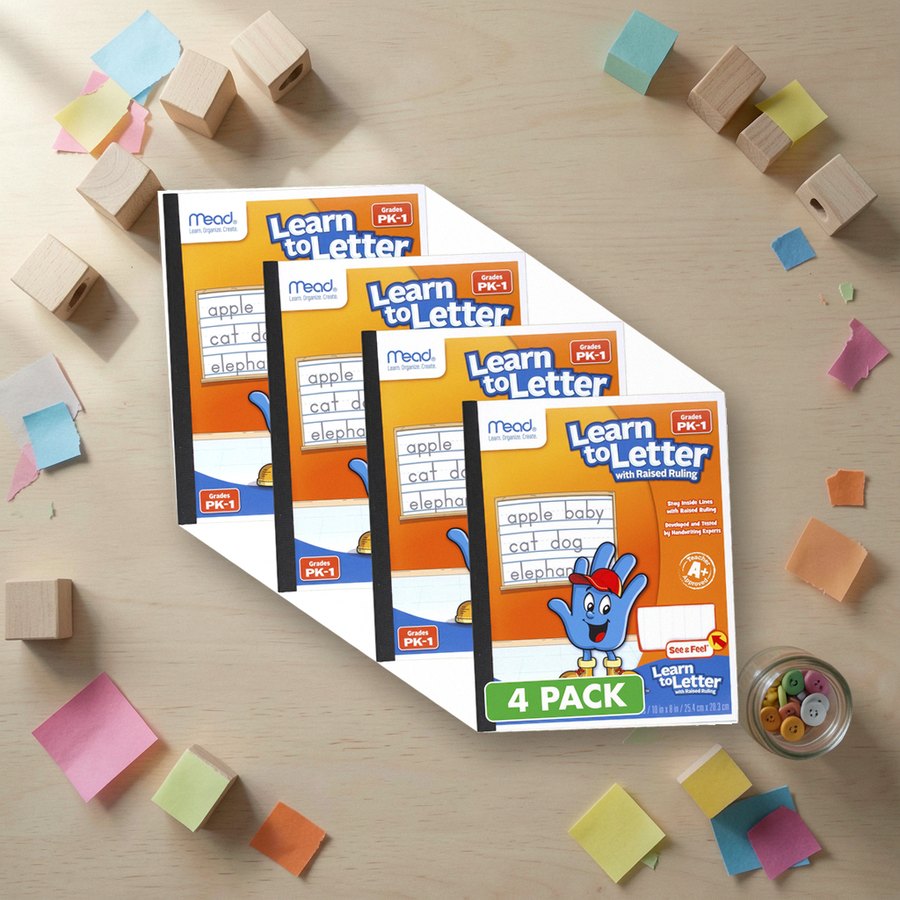 Primary writing tablet with dotted midlineView on Amazon
 9 x 12 dry erase lapboards, 2 packView on Amazon
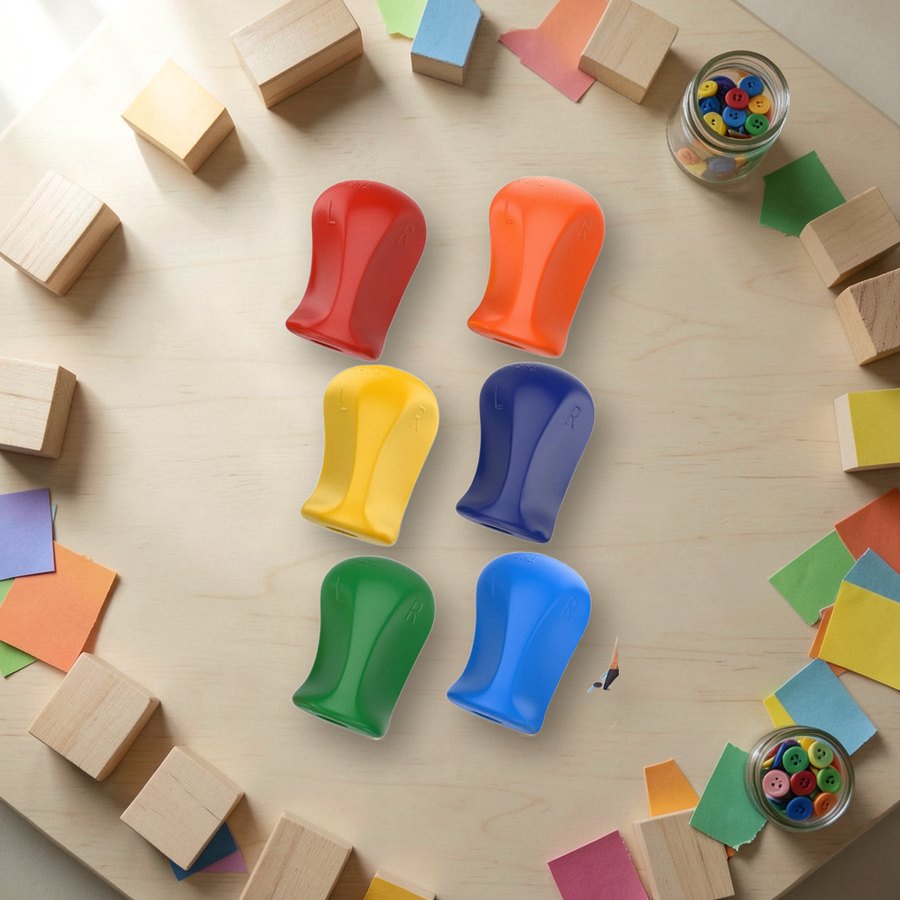 Pencil grips, 6 packView on Amazon
As an Amazon Associate, PrintableBloom earns from qualifying purchases.
Conclusion
Handwriting readiness isn’t a gate you push your child through — it’s a garden you tend until the flowers are ready to bloom. The signs are real, observable, and meaningful. And when they’re there, starting handwriting practice feels less like a lesson and more like the natural next step in something that’s been building for months.
Trust the process. Build the foundations. Watch for the signs. And when you see them — pick up a pencil, sit down together, and write their name.
That first wobbly letter they form on their own is worth every tracing page that came before it.
Frequently Asked Questions
What age should children start handwriting practice?
Most children are ready to begin simple letter tracing between ages 3.5 and 4.5, and formal handwriting practice between ages 4.5 and 5.5. But age is less important than readiness — a child who shows the key readiness signs at 3.5 is ready; a child who hasn’t developed those foundations yet at 4.5 needs more pre-writing time first. Following readiness rather than age produces better outcomes consistently.
What are the most important pre-writing skills before handwriting?
The most critical pre-writing development skills are: adequate hand strength (for pencil grip and control), the ability to copy basic shapes (circle, cross, square, triangle), visual-motor tracking (following a path with eyes and hand together), and enough sitting tolerance for short focused tasks. Building these foundations makes formal handwriting significantly easier when it begins.
My child is 4 and shows no interest in writing. Should I be worried?
Not necessarily. Some children develop interest in writing later than others, and that’s within a normal range. Continue providing rich exposure: reading together, pointing out letters, letting them see you write. If by age 5 there’s still little interest and limited fine motor development, it’s worth a conversation with your pediatrician — but for most four-year-olds, patience and continued exposure is the right response.
Should I teach uppercase or lowercase letters first?
Early childhood educators generally recommend uppercase letters first for several reasons: they’re formed mostly with straight lines and simple curves, they’re less prone to reversal confusion (b/d, p/q), and children often encounter them first in environmental print. Once uppercase letters are solid, lowercase follows more naturally.
How do I know if my child’s handwriting development is normal?
By age 5, most children can write their first name with reasonable consistency, copy simple letters, and draw recognizable shapes. By age 6, most can write their full name and copy simple words. Wide variation is normal — some children develop these skills earlier, some later. If you have concerns about significant delays compared to peers, an occupational therapist who works with young children can provide a proper developmental assessment.
Can I teach handwriting at home, or do children need a teacher?
Absolutely — most of the foundational work for handwriting readiness happens naturally at home through play, drawing, and everyday activities. When it comes to formal letter formation, simple structured printables and consistent short practice sessions at home are genuinely effective. A teacher or therapist becomes valuable if a child is showing persistent difficulties despite regular home practice.
Related reading
- What Should a 4-Year-Old Know Before Kindergarten?
- Best Pre-K Learning Activities for Home Practice
- Kindergarten Readiness Skills Parents Often Miss
- Why Tracing Activities for Preschoolers Matter Before Writing