Best Pre-K Learning Activities for Home Practice
The pre-k year — roughly ages 4 to 5 — is a sweet spot. Your child is past the unpredictable toddler stage, genuinely curious about letters and numbers, and developmentally ready to build real skills. But they’re not yet in the structured world of formal schooling. It’s the perfect window for the kind of relaxed, playful learning at home that lays a strong foundation for kindergarten.
The best pre-k learning activities aren’t complicated or expensive. They’re simple, consistent, and woven into daily life. If you’d like ready-to-use printable activities to anchor your home practice, our pre-k worksheets cover all the core skill areas. But let’s walk through the activities that make the biggest difference — and how to do them in a way that builds confidence rather than pressure.

What Makes Pre-K Learning Activities Effective
Before the specific activities, it helps to understand what makes pre-k home learning work. Child development experts consistently emphasize a few principles that separate effective pre-k practice from frustrating busywork:
First, it should be playful. At this age, the line between play and learning should be invisible — the most effective activities feel like games, not lessons. Second, it should be short and frequent rather than long and occasional. Third, it should be hands-on wherever possible — children this age learn through doing, touching, and manipulating far more than through watching or listening. And fourth, it should be responsive to your child’s interests, which dramatically increases engagement.
The Core Pre-K Skill Areas to Cover
| Skill Area | Pre-K Goal | Best Activities |
|---|---|---|
| Alphabet & Letters | Recognize most letters, some sounds, write name | Letter tracing, alphabet games, name practice |
| Numbers & Math | Count to 20, recognize 1–10, understand quantity | Counting games, number tracing, sorting |
| Fine Motor | Pencil control, cutting, drawing shapes | Tracing, cutting practice, playdough, threading |
| Early Reading | Rhyming, beginning sounds, print awareness | Rhyming games, read-alouds, sound play |
| Thinking Skills | Patterns, sorting, sequencing, problem-solving | Pattern games, puzzles, sorting activities |
Best Pre-K Alphabet Activities
Letter learning at the pre-k stage is about building recognition and beginning to connect letters to sounds. The most effective alphabet activities pre-k children respond to combine repetition with play:
- Name building. Use magnetic letters, letter cards, or stickers to build your child’s name. It’s the most meaningful word they know, which makes it the perfect anchor for letter learning.
- Letter hunts. Pick a letter and find it everywhere — books, signs, packaging. This builds recognition in real-world contexts.
- Alphabet tracing. Structured letter tracing builds both recognition and the fine motor control for writing. Our alphabet worksheets for pre-k are designed for exactly this stage.
- Sound games. “What sound does ‘ball’ start with?” Playing with beginning sounds builds the phonological awareness that underpins reading.
Best Pre-K Math Activities
Pre-k math is all about number sense — the intuitive feel for quantity that formal math builds on. Effective preschool math activities at this stage stay hands-on and concrete:
- Counting collections. Count everything — buttons, blocks, snacks, steps. Always ask “how many?” after counting to build the connection between counting and quantity.
- Number tracing and recognition. Writing and recognizing numerals 1–10 builds the symbol knowledge that supports later math. Our pre-k math worksheets cover counting, number recognition, and early concepts.
- Sorting and patterns. Sort objects by color, size, or type. Make simple patterns (red, blue, red, blue) and have your child continue them. These build the logical thinking underneath mathematics.
- More or less games. “Which pile has more?” Comparing quantities builds essential number sense.
Snack time is the perfect built-in pre-k math activity. Count out crackers together. Ask “if I eat one, how many will be left?” Make patterns with different snacks. Compare “do you have more grapes or more crackers?” Children are naturally motivated when food is involved, and you turn an everyday moment into rich, no-prep math practice without any extra effort.
Best Pre-K Fine Motor Activities
Fine motor development is critical pre-k groundwork — it’s what makes the writing and cutting tasks of kindergarten manageable. The best pre-k fine motor practice keeps hands busy and strong:
- Tracing. Lines, shapes, and letters build pencil control. Our pre-k tracing worksheets progress appropriately for this age.
- Cutting practice. Cutting along lines and curves builds bilateral coordination and hand strength.
- Playdough. Still one of the best hand-strengthening activities at any preschool age.
- Threading and lacing. Beads on a string or lacing cards build the precise pincer grip.
Best Pre-K Early Reading Activities
Pre-k reading readiness isn’t about reading — it’s about the pre-reading skills that make learning to read smoother:
- Daily read-alouds. The single most powerful pre-reading activity. Vocabulary, comprehension, print awareness, and a love of books all grow from being read to.
- Rhyming games. “Cat, hat, bat — can you think of another word that rhymes?” Rhyming builds the sound awareness reading depends on.
- Beginning sound games. Identifying the first sound in words primes phonics learning.
- Print awareness. Point to words as you read. Show that text goes left to right. These build the understanding that print carries meaning.

Building a Pre-K Learning Routine at Home
The activities matter, but consistency matters more. Here’s a realistic way to weave pre-k learning into your week without it feeling like a job:
- Daily anchor: One short structured activity (10–15 min) — alphabet, number, or fine motor. Same time each day if possible.
- Daily read-aloud: At least one book, every single day.
- Embedded learning: Counting at snack, letter spotting on walks, sorting laundry together.
- Busy basket: Independent fine motor activities your child can access anytime.
- Weekly variety: Rotate the focus — letters one day, numbers another, fine motor another — to keep it fresh.
Our broader preschool worksheets collection gives you a full range of activities to draw from across all these skill areas.

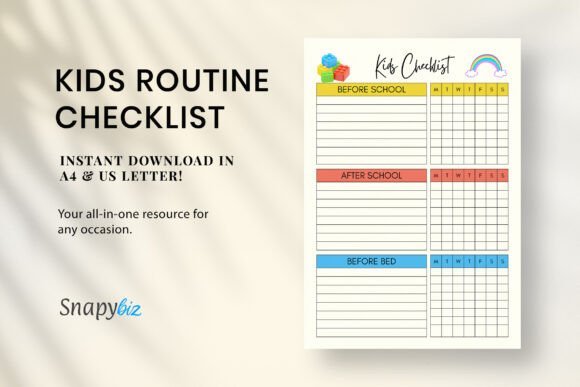
A Simple Pre-K Home Practice Checklist
- One short structured activity daily (alphabet, number, or fine motor)
- Read aloud at least once every day
- Practice writing or building their name regularly
- Count and sort during everyday moments (snacks, toys, laundry)
- Play rhyming and beginning-sound games
- Keep a busy basket of independent fine motor activities
- Follow your child’s interests to boost engagement
A Small Pre-K Supply Shelf
The activities above keep coming back to the same few materials. One shelf holds all of them.
 Magnetic letters and numbersView on Amazon
 Bear counters, 102 piecesView on Amazon
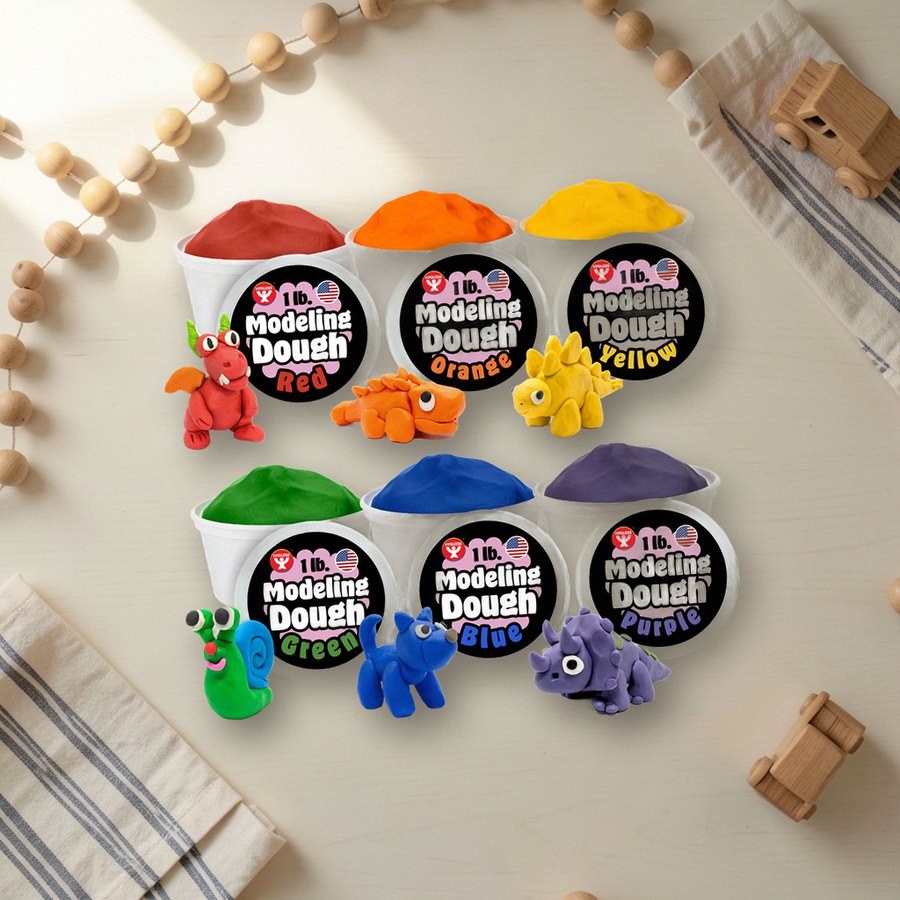 Modeling dough, 6 colorsView on Amazon
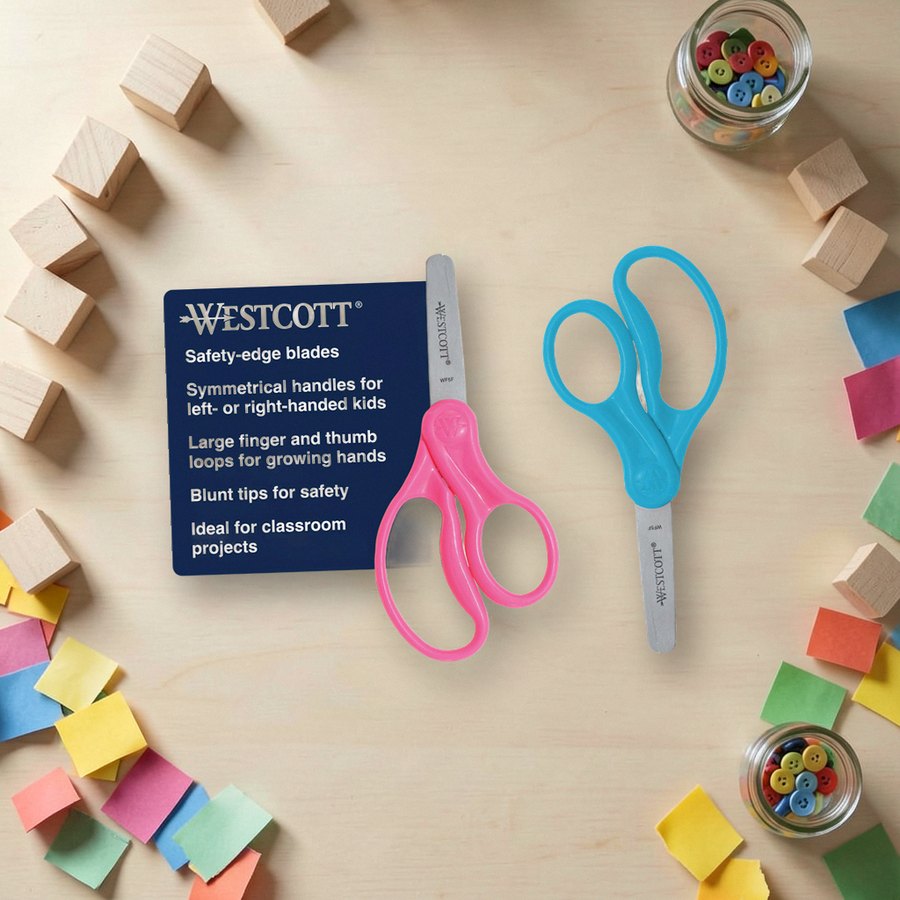 Blunt-tip kids scissorsView on Amazon
As an Amazon Associate, PrintableBloom earns from qualifying purchases.
Conclusion
The pre-k year is one of the most rewarding stretches of early learning. Your child is curious, capable, and genuinely ready to build the foundations that kindergarten will stand on. And the best part is that none of it requires a curriculum, a classroom, or hours of your day.
It requires a handful of magnetic letters on the fridge. A book at bedtime. Counting crackers at snack time. A busy basket they can reach themselves. Small, consistent, playful moments that don’t feel like much individually but add up to a child who arrives at kindergarten confident, curious, and ready.
You don’t need to do all of it. You just need to do a little, often, with warmth. That’s what the best pre-k learning has always been — and it’s well within reach on an ordinary day.
Frequently Asked Questions
What should I be teaching my child in pre-k at home?
Focus on five core areas: alphabet and letter recognition, number sense and counting, fine motor skills, early reading foundations (rhyming, sounds, read-alouds), and thinking skills (sorting, patterns, problem-solving). Keep all of it playful, hands-on, and short. You don’t need a formal curriculum — consistent, varied exposure to these skill areas through games and everyday activities covers everything a pre-k child needs.
How much time should pre-k learning take each day?
About 15–30 minutes of structured learning activity per day is appropriate for pre-k children, ideally broken into short sessions rather than one block. A daily read-aloud and naturally embedded learning (counting at snack, letter spotting on walks) add significantly to this without feeling like formal practice. Quality and consistency matter far more than quantity at this age.
What are the best pre-k activities to prepare for kindergarten?
The highest-impact pre-k activities for kindergarten readiness are: daily read-alouds (for literacy and vocabulary), name writing and letter recognition, counting and number activities, fine motor practice (tracing, cutting, playdough), and rhyming and sound games. Alongside these academic foundations, building independence and self-care skills is equally important for a smooth kindergarten transition.
My pre-k child resists structured learning activities. What should I do?
Make it more playful and follow their interests. A child who resists a generic worksheet may eagerly count their favorite toy cars or trace letters that spell a beloved character’s name. Keep sessions very short, offer choices, and lean heavily on hands-on, game-like activities rather than seated work. At this age, the format matters enormously — the same skill built through play often meets no resistance at all.
Are pre-k worksheets beneficial or too much pressure?
When used appropriately, pre-k worksheets are genuinely beneficial — they build letter and number recognition, fine motor control, and the habit of focused activity. The key is keeping them short, low-pressure, age-appropriate, and balanced with plenty of hands-on play. Worksheets should be one tool among many, not the centerpiece of pre-k learning. Used well, they support kindergarten readiness without creating pressure.
What’s the difference between pre-k and kindergarten learning?
Pre-k (ages 4–5) focuses on building foundations through play: letter and number recognition, fine motor development, pre-reading skills, and social-emotional growth. Kindergarten (ages 5–6) builds on these foundations with more formal instruction in reading, writing, and math. Pre-k is preparation and foundation-building; kindergarten is where formal academic learning begins. The pre-k year’s job is to make a child ready and eager for that next step.
Related reading
- What Should a 4-Year-Old Know Before Kindergarten?
- Signs Your Child Is Ready for Handwriting Practice
- Kindergarten Readiness Skills Parents Often Miss
- Homeschool Learning Ideas for Preschoolers That Actually Work