Printable Activities That Actually Keep Kids Focused
If you’ve ever printed a stack of worksheets full of hope, only to watch your child lose interest after thirty seconds, you’ve learned an important lesson: not all printables are created equal. Some hold a child’s attention for a satisfying stretch and build real skills. Others get abandoned half-finished or scribbled over in protest. The difference isn’t the child — it’s the printable.
Understanding which printable activities for preschoolers actually hold attention — and why — changes everything about how you use them. The right printables become a genuinely useful tool for those moments when you need your child engaged and learning. If you’d like a collection built specifically to hold focus, our fine motor skills worksheets are designed with engagement in mind. But let’s first explore what makes a printable focus-friendly.
Why Some Printable Activities Hold Attention and Others Don’t
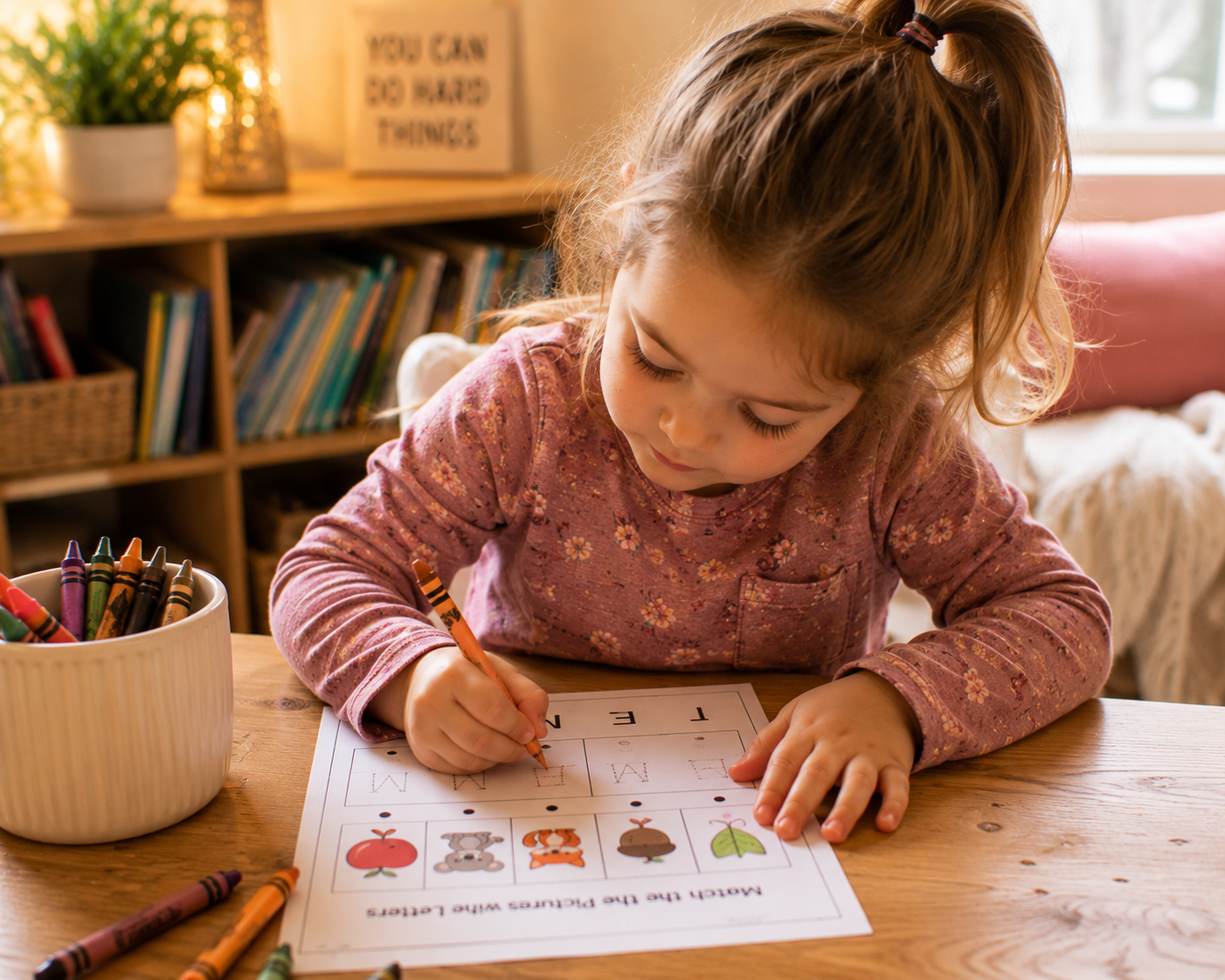
The secret to focus isn’t making activities harder or longer — it’s matching them to how a young child’s attention actually works. Child development experts explain that preschoolers sustain attention best when an activity has the right level of challenge, a clear goal, and an element of active doing rather than passive completion.
A printable that’s too easy bores them. One that’s too hard frustrates them. One with no clear “point” loses them. But a printable that sits in the sweet spot — achievable but engaging, with a satisfying sense of completion and something to actively do — can hold a preschooler’s focus far longer than parents expect. The skill is choosing the right printables and using them well.
The Printable Activities That Actually Keep Kids Focused
| Printable Type | Why It Holds Focus | Best Age |
|---|---|---|
| Coloring pages | Open-ended, no “wrong” answer, satisfying completion | 2–6 years |
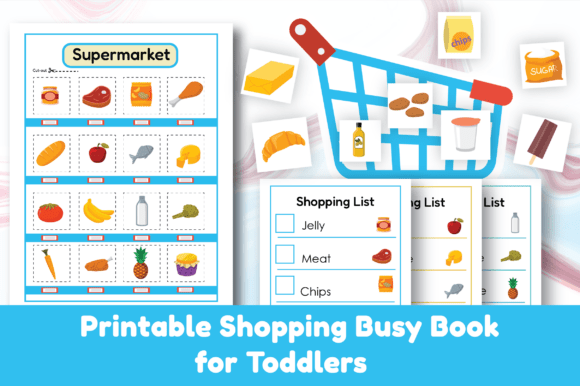
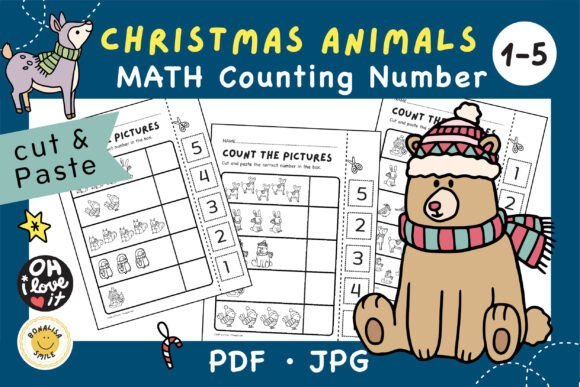
| Cut & paste activities | Active doing, clear goal, tangible finished product | 3.5–6 years |
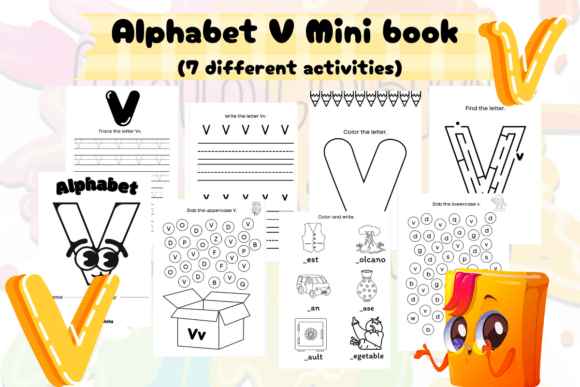
| Dot-to-dot / mazes | Built-in goal, sense of progress and reward | 4–6 years |
| Matching activities | Puzzle-like satisfaction, clear right answers | 3–5 years |
| Tracing pages | Clear path to follow, sense of accomplishment | 3–5 years |
| Themed worksheets | Interest-driven engagement (dinosaurs, animals, etc.) | 3–6 years |
What Makes a Printable Focus-Friendly
It Has a Clear, Achievable Goal
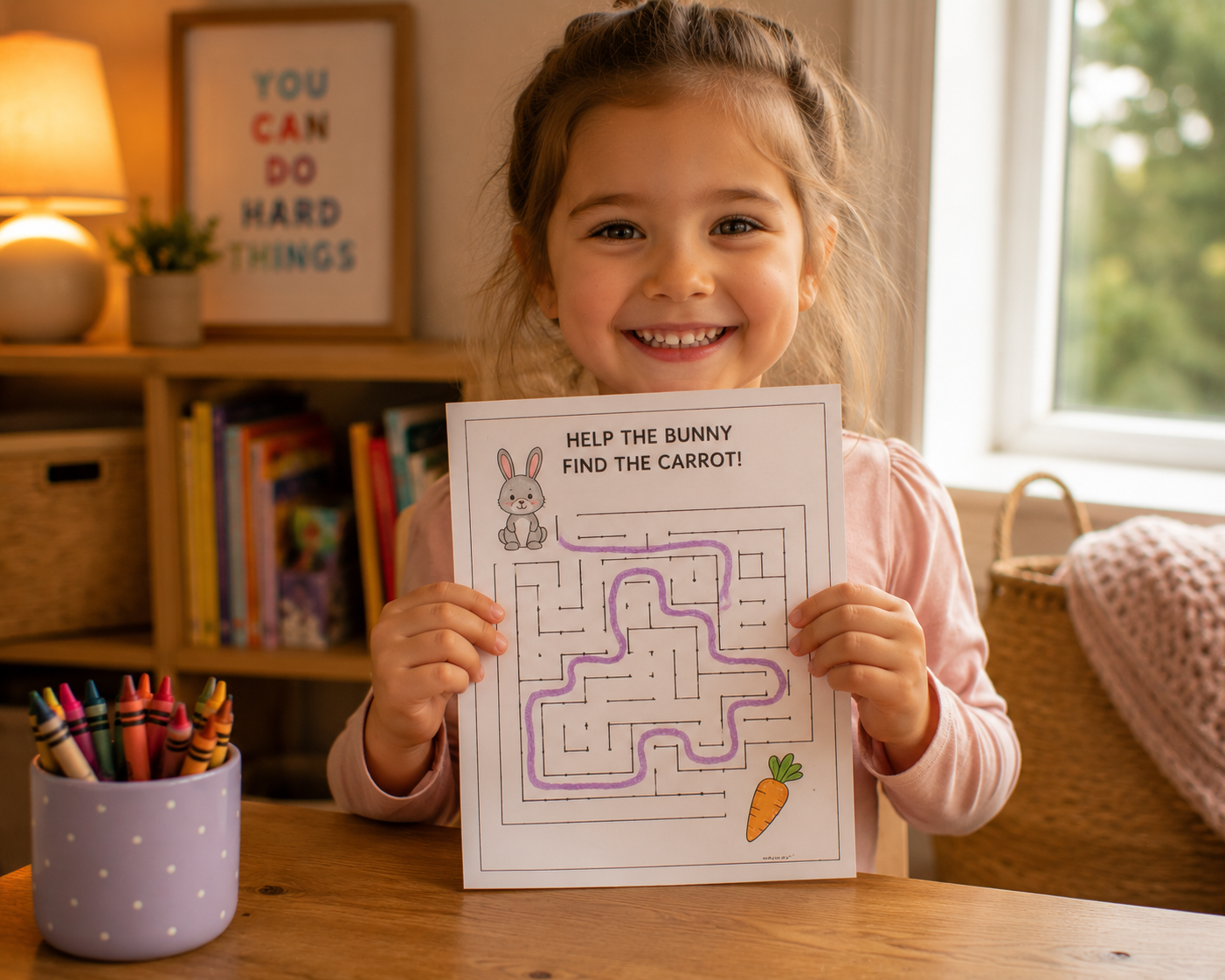
Children focus better when they can see what “done” looks like. A maze has an endpoint. A dot-to-dot reveals a picture. A matching page has pairs to connect. This clear goal gives a child something to work toward, which sustains attention far better than an open-ended page with no obvious finish line.
It Involves Active Doing
The most focus-friendly printables require active participation — cutting, gluing, connecting, tracing, coloring. The physical engagement keeps the body and brain involved together. Passive printables that just ask a child to look or identify without doing much tend to lose attention quickly.
It Matches the Child’s Skill Level
This is the big one. A printable in the “just right” zone — challenging enough to be interesting, easy enough to be achievable — holds attention beautifully. Too easy and they’re bored; too hard and they shut down. Matching the difficulty to your specific child’s current level is the single most important factor in whether a printable holds focus.
It Connects to Their Interests
Interest is rocket fuel for focus. A child who couldn’t care less about a generic counting page will happily count dinosaurs, trucks, or their favorite animals. Themed printables that tap into a child’s current obsession transform a so-so activity into one they’re genuinely motivated to complete.
Notice what your child is obsessed with right now — dinosaurs, space, princesses, trucks, bugs, whatever it is. Then seek out printables featuring that exact theme. The same fine motor or counting skill, wrapped in a beloved theme, can be the difference between thirty seconds of focus and fifteen minutes. Interest isn’t a bonus — for focus, it’s often the deciding factor.
How to Use Printables to Build Focus Over Time
Beyond choosing the right printables, how you use them shapes how much focus they build. These strategies help printables develop attention span rather than just fill time:
Start Shorter Than You Think
If your child has a short attention span, begin with printables that can be completed in just a few minutes. A sense of completion builds the willingness to engage again. Gradually introduce activities that take a little longer as their focus stamina grows. Building attention is like building a muscle — you increase the load gradually.
Create a Calm, Distraction-Free Setup
Focus is fragile in young children. A cluttered table, a TV playing in the background, or siblings nearby can shatter concentration. Set up printable time in a calm spot with just the materials needed — the paper, the crayons or pencil, nothing else. The environment does half the work of supporting focus.
Let Them Finish (or Choose to Stop)
The satisfaction of completing a printable reinforces the focus that got them there. When possible, support your child in finishing — gentle encouragement, not pressure. But also respect when they’re genuinely done. Forcing completion past the point of engagement teaches them to dread the activity, which undermines future focus.
Matching Printables to Focus Goals
Different printables build different kinds of focus. Here’s how to choose based on what you’re going for:
- For calm, quiet focus: coloring pages, simple tracing, gentle matching activities
- For active engaged focus: cut and paste activities, mazes, dot-to-dots
- For building attention stamina: start with quick-win printables, gradually increase length
- For reluctant focusers: heavily interest-themed printables (their favorite character or topic)
Our tracing worksheets and math worksheets are designed to hold attention through clear goals and an appropriate challenge level — useful go-to options for focus-building practice.

Common Mistakes That Sabotage Focus
Even good printables fail when used in ways that undermine attention. Avoid these common pitfalls:
- Choosing printables that are too hard. The fastest way to lose a child’s focus is frustration. When in doubt, go a little easier.
- Too many distractions. Background TV, a busy table, nearby toys — all pull attention away.
- Pushing past the point of engagement. Forcing completion teaches dread, not focus.
- Ignoring interests. Generic printables when a themed version would engage far better.
- No sense of completion. Printables with no clear “done” point fail to give the satisfying payoff that reinforces focus.
A Focus-Building Printable Checklist
- Choose printables with a clear, achievable goal (mazes, dot-to-dots, matching)
- Match the difficulty to your child’s actual level — not too hard, not too easy
- Pick themes that connect to your child’s current interests
- Set up in a calm, distraction-free spot
- Start with shorter activities and build stamina gradually
- Support completion gently, but respect when they’re truly done
- Celebrate the finished product to reinforce the focus that earned it
Supplies That Make Printables Reusable
A clear pocket and a dry erase marker turn one printed page into many tries. A visual timer shows a child how long the activity lasts, which helps more than a reminder from you.
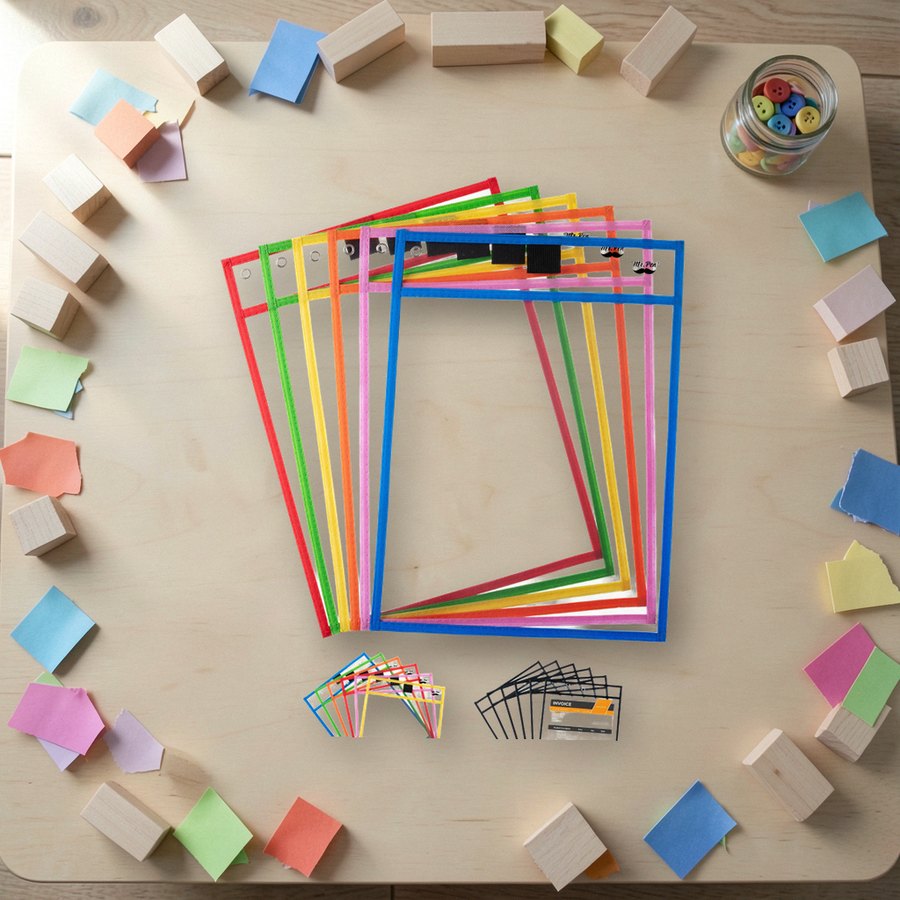 Reusable dry erase pocketsView on Amazon
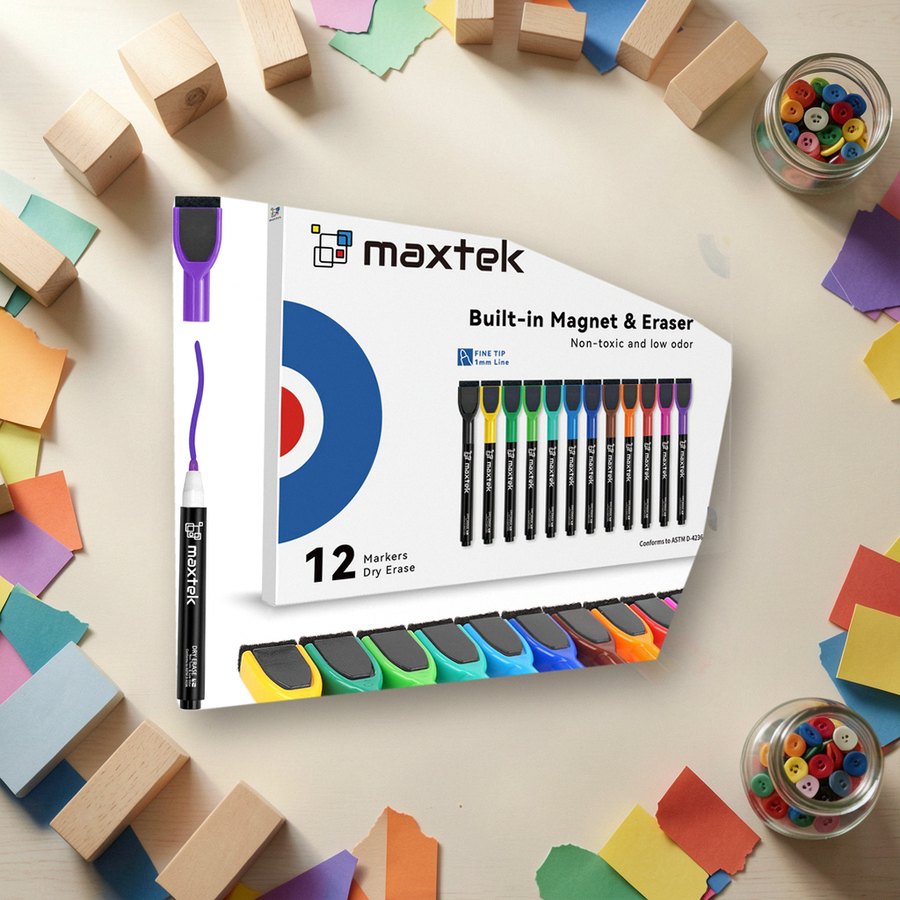 Fine-tip dry erase markers with eraser capsView on Amazon
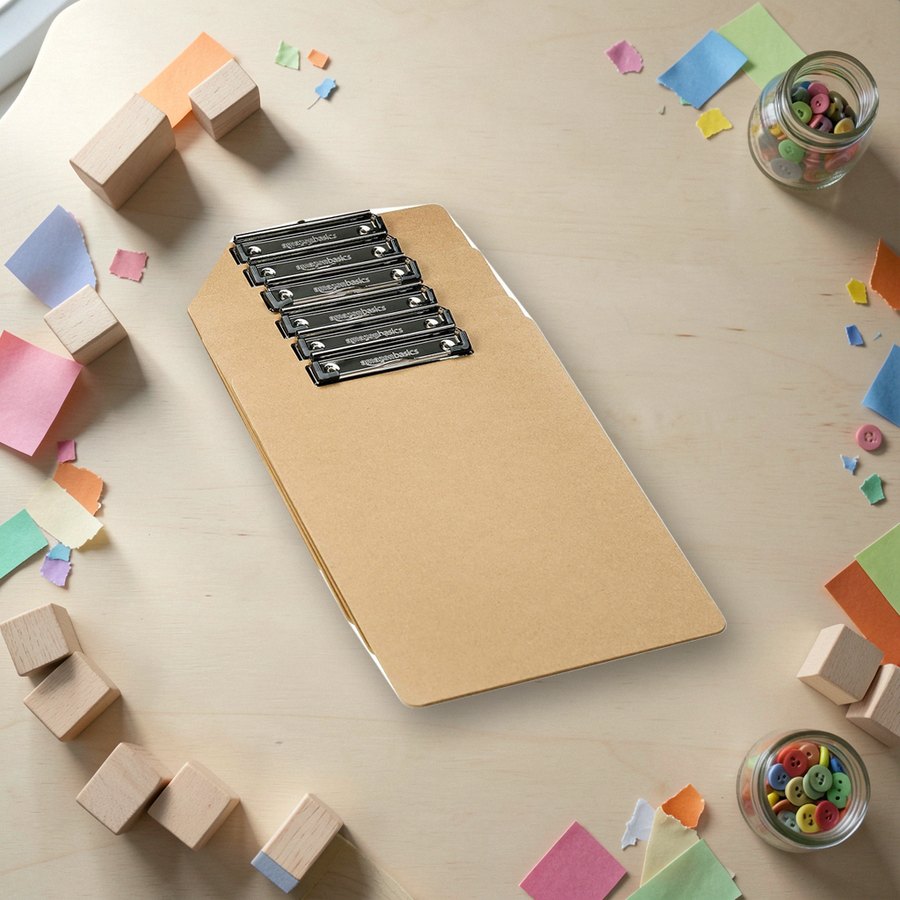 Letter-size clipboardView on Amazon
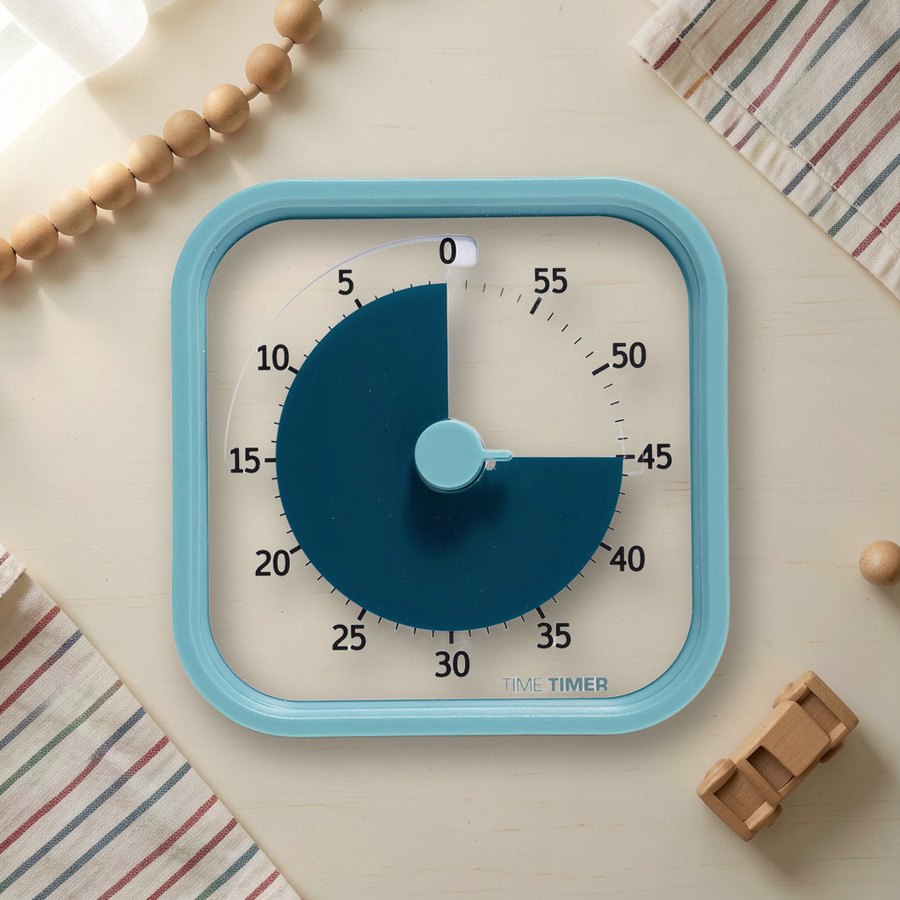 60-minute visual timer (Time Timer)View on Amazon
As an Amazon Associate, PrintableBloom earns from qualifying purchases.
Conclusion
The printable activities that actually keep kids focused aren’t the most elaborate or the most educational-looking. They’re the ones that fit — matched to a child’s skill level, connected to their interests, designed with a clear goal and something active to do, and used in a calm space without distraction.
When you get that combination right, printables stop being a battle and start being a genuinely useful tool — a calm, focused activity your child willingly engages with, builds real skills through, and feels proud to complete.
Pay attention to what holds your particular child’s focus. Lean into their interests. Keep the challenge just right. Clear the distractions. And watch a child who “can’t focus on anything” settle in, absorbed and content, doing exactly the kind of focused work you hoped for all along.
Frequently Asked Questions
What printable activities best hold a preschooler’s attention?
Printables with a clear goal and active participation hold attention best: mazes and dot-to-dots (built-in endpoint and reveal), cut and paste activities (tangible finished product), matching pages (puzzle-like satisfaction), and coloring pages (open-ended, no wrong answers). Themed printables connected to a child’s interests dramatically boost engagement across all types. The key factors are a clear goal, active doing, appropriate difficulty, and interest connection.
Why won’t my child focus on worksheets?
The most common reasons are: the worksheet is too hard (frustration) or too easy (boredom), there are too many distractions in the environment, the activity doesn’t connect to the child’s interests, or there’s no clear goal or sense of completion. Some children also aren’t yet developmentally ready for sustained seated work. Adjusting difficulty, removing distractions, choosing interest-themed printables, and starting with shorter activities usually improves focus significantly.
How long should a preschooler focus on a printable activity?
Focused attention on a printable typically ranges from 3–5 minutes for younger preschoolers (age 3) to 10–15 minutes for older ones (age 4–5), depending on the activity and the child’s interest. Highly engaging activities matched well to a child can extend this. Rather than aiming for a specific duration, focus on ending while the child is still engaged — this builds willingness to return, which gradually extends their attention stamina.
How can I help my child build a longer attention span?
Build attention gradually like a muscle: start with short, achievable activities that provide a sense of completion, then slowly increase length as stamina grows. Choose activities matched to their interests and skill level, set up a calm distraction-free environment, and let them experience the satisfaction of finishing. Consistent, positive, well-matched practice over time naturally extends attention span — far more effectively than demanding longer focus before they’re ready.
Are printable activities good for kids with short attention spans?
Yes, when chosen and used well. For children with shorter attention spans, select printables with clear goals and quick wins (short mazes, simple matching, themed coloring), match difficulty carefully to avoid frustration, eliminate distractions, and start with very brief activities. The sense of completing something successfully builds both confidence and the willingness to engage longer next time. Interest-matched printables are especially powerful for reluctant focusers.
What environment helps children focus on printable activities?
A calm, distraction-free setup makes a substantial difference. Provide just the materials needed — the printable and a crayon or pencil — on a clear table or surface, away from TV, busy areas, and tempting toys. Good lighting and a comfortable seat help too. Young children’s focus is easily disrupted by environmental distractions, so a simple, quiet space genuinely supports their ability to concentrate and sustain attention.
Related reading
- What to Do If Your Child Hates Worksheets
- How Long Should Preschool Learning Sessions Be?
- Easy Cutting Activities for Preschoolers Ages 3–5
- Easy Learning Games for Preschoolers at Home