How to Teach Counting to Preschoolers (Beyond Just Reciting Numbers)
The other day a mom told me, with a little frown, “My daughter can count all the way to twenty, but when I ask her how many crackers are on her plate, she just guesses.” I hear a version of this so often, and I always want to reassure right away: this is completely normal, and it isn’t a sign that anything is wrong. It usually means your child has learned the song of numbers but is just starting on the real work of counting.
Reciting numbers and truly counting are two different skills. The good news is that the second one grows beautifully through everyday moments and play, no flashcards or pressure required. Let me walk you through what’s actually happening and how to gently help.
Reciting numbers vs. really counting – the difference
When a two- or three-year-old chants “one, two, three, four, five,” they’re doing something wonderful, but it’s a lot like singing the alphabet. They’ve memorized a sequence of sounds in order. This is called rote counting, and it’s a genuine first step. It builds the number words your child will need later.
Real counting, though, means connecting those words to actual things. It means knowing that when you count a row of blocks, each block gets exactly one number word, and that the last number you say tells you how many there are altogether. That’s the heart of number sense, and it’s a slower, deeper skill.
So if your child recites to twenty but can’t tell you how many buttons are in your hand, nothing is broken. They’ve simply mastered the easy part first. The pieces that come next have names, and knowing them helps you spot exactly where your child is.
One-to-one correspondence: touch and count
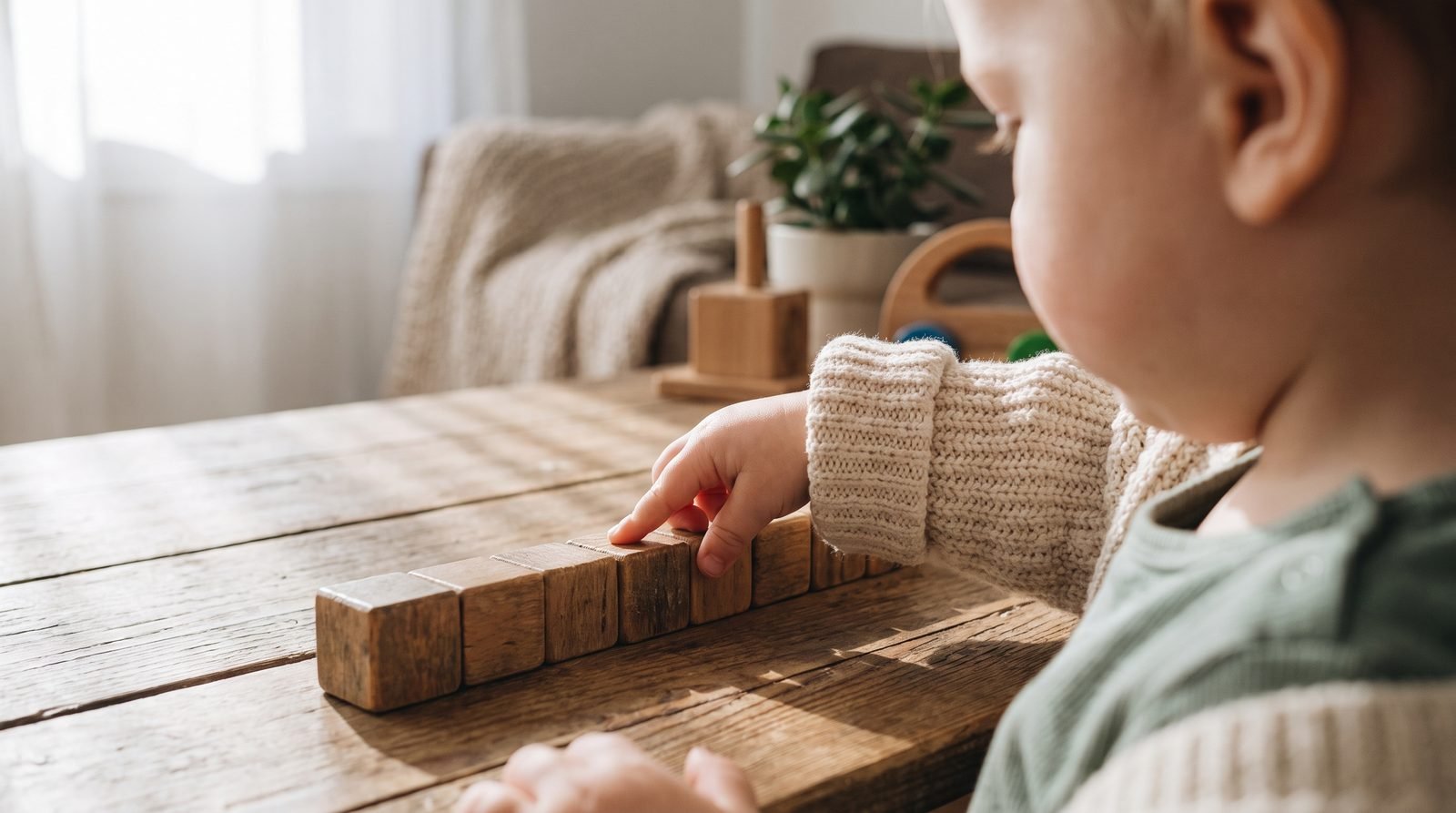
One-to-one correspondence is the skill of matching one number word to one object, and only one. It’s the bridge between reciting and counting. You’ll often see a young child point vaguely at a group of toys while their words race ahead of their finger, so they say “one, two, three, four” while only touching two things. That gap is exactly what one-to-one correspondence closes.
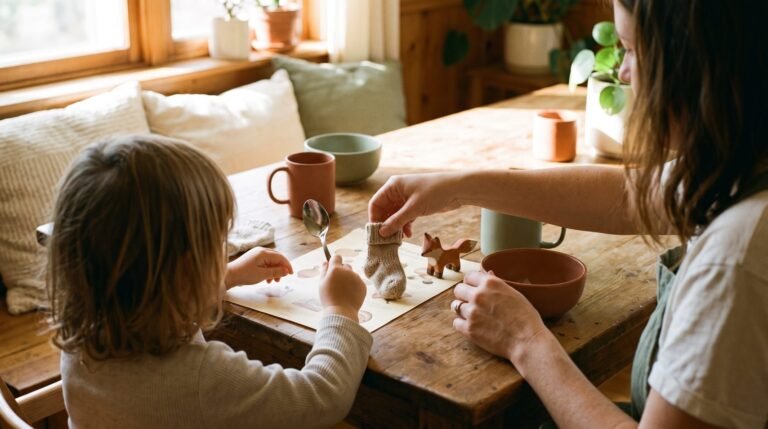
The best way to build it is to make counting physical. Encourage your child to touch each object as they say its number, or better yet, to move each one as they count it. Sliding a block from one pile to another, dropping a pom-pom into a cup, or placing a raisin on each finger all force the words and the objects to stay in step.
Here are a few gentle ways to practice one-to-one correspondence with children roughly ages 3 to 5:
- Line it up. Arrange objects in a straight row rather than a cluster. A row is far easier to track than a heap, so start there and add messiness later.
- Move as you count. Have your child physically shift each item into a “counted” pile. This makes double-counting almost impossible.
- Count together, slowly. Put your finger over theirs and count at the same unhurried pace, so the pointing and the saying match up.
- Keep sets small. Three or four objects is plenty at first. Success with small numbers builds the confidence to try more.
You don’t need special materials for any of this. Snack time, bath toys, and the buttons on a coat all work perfectly.
Cardinality: understanding ‘how many altogether’
Once your child can touch and count accurately, there’s one more quiet leap: understanding that the last number you say is the answer. This is called cardinality. A child who hasn’t grasped it yet will carefully count “one, two, three, four” and then, when you ask “so how many?”, start counting all over again, as if the total is a mystery.
You can help this click into place with a simple, low-key routine. After your child counts a group, pause and say warmly, “So there are four. Four blocks.” Then sometimes ask, “How many altogether?” and if they recount, that’s fine, just gently model the answer. Over many repetitions, children realize they don’t need to recount, because the final word already told them.
A lovely little check is the “give me” game: “Can you give me three grapes?” A child with cardinality will count out exactly three and stop. A child still building it may hand you a pile or keep counting past three. Neither is a problem, it’s just information about where they are on the path. This kind of hands-on number play pairs naturally with the best ways to teach numbers at home, since recognizing a digit and understanding its quantity grow side by side.
Everyday counting moments that build number sense
Here’s the part I most want you to take to heart: the strongest counting practice isn’t a lesson at all. It’s woven into ordinary days. Children build number sense through dozens of tiny, real reasons to count, and those moments stick far better than any drill because they matter to your child.
Try folding counting into things you’re already doing:
- Snack time. “Let’s count your crackers. One, two, three. You have three!” Then let them eat one and count again, watching the number shrink.
- Setting the table. “We need four forks. Can you count them out?” Real jobs make counting feel important.
- Stairs and steps. Count each step as you climb. The physical rhythm reinforces one-to-one correspondence beautifully.
- Tidying up. “How many cars can we put in the bin? Let’s count as they go in.”
- Getting dressed. Count buttons, count the fingers going into gloves, count shoes by the door.
None of this needs to feel like school. Ten seconds of counting here and there, sprinkled through the day, adds up to something powerful over weeks and months.
Playful counting games with objects
When you do want a bit of focused fun, hands-on games are where number sense truly grows. Physical objects, the kind math teachers call manipulatives, let children feel quantity, not just hear it. Here are a few favorites that work well for ages 3 to 6:
- Counting jump. Toss a soft die (or say a number) and jump, clap, or stomp that many times. Moving their whole body helps children feel each count as a separate thing.
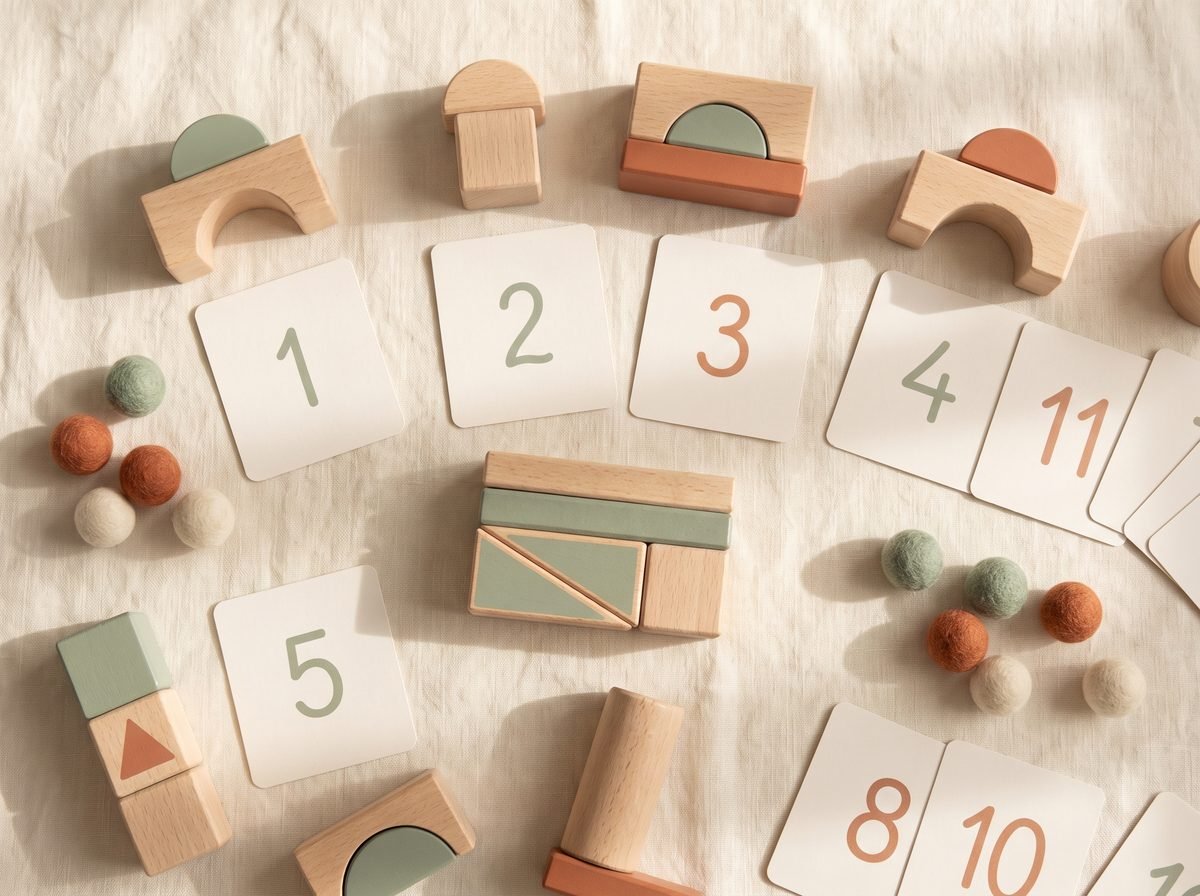
- Muffin tin sort. Label muffin cups 1 through 6 and have your child drop the matching number of pom-poms or dry beans into each. This joins the digit to its quantity.
- Nature counting. On a walk, collect acorns, pebbles, or leaves, then sort and count them at home. Natural objects are endlessly interesting to little hands.
- “How many hiding?” Show five buttons, cover a few with your hand, and ask how many are hidden. This nudges early addition without any worksheets.
If you’d like a few ready-made options for busy days, our printable math learning games and other easy learning games at home give you a gentle, screen-free head start without much prep.
When to bring in number worksheets
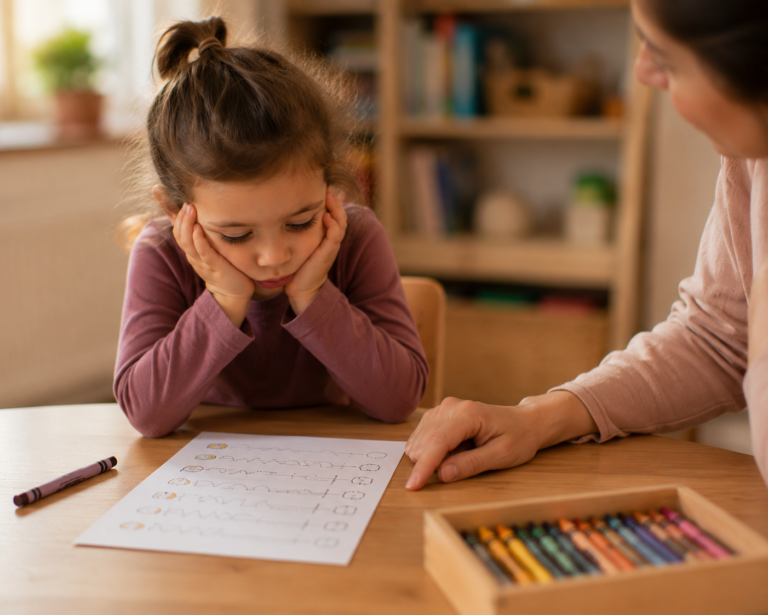
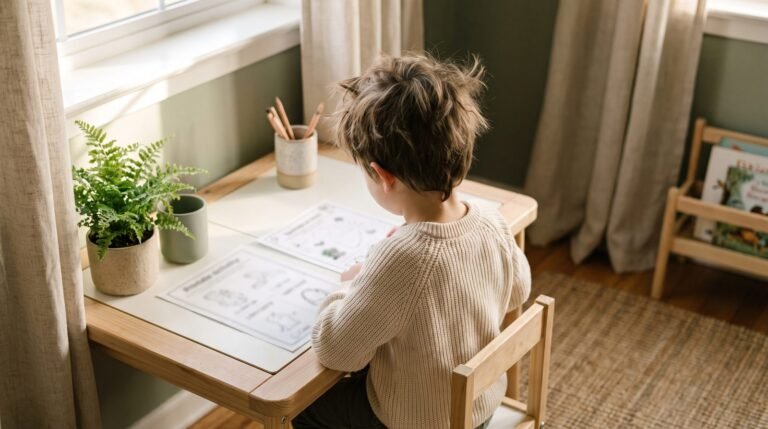
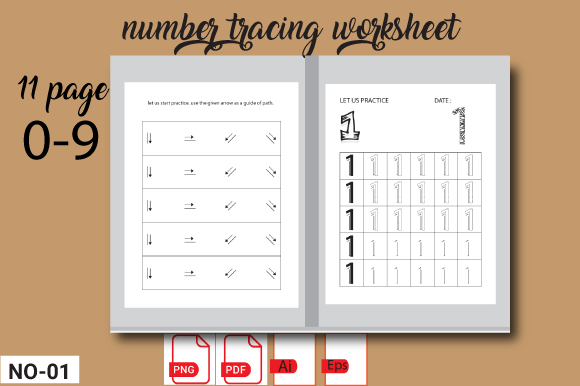
Parents often ask me when to start worksheets, and my honest answer is: after the hands-on foundation is in place, not instead of it. Worksheets are a lovely way to reinforce counting your child already understands with real objects, and to build the fine-motor control for writing numbers. But paper alone can’t teach cardinality, so let it come second.
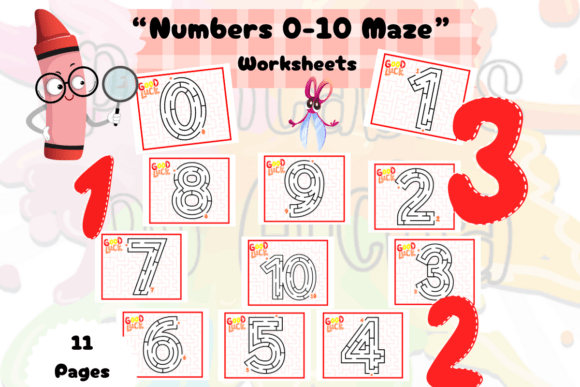
A good sign of readiness, usually somewhere around ages 4 to 6, is when your child can reliably count a small group of objects and tell you the total. At that point, gentle number practice worksheets that ask children to count pictures and circle the matching number connect the concrete counting they’ve been doing to the written symbols. Keep sessions short and cheerful. Five focused minutes beats a frustrated twenty every time.
Realistic counting milestones by age
Every child moves at their own pace, and these ranges are wide on purpose. Think of them as a friendly map, not a checklist to worry over.
- Ages 2 to 3: Begins reciting a few number words in order, often skipping some. Counting is more song than sense, and that’s exactly right for now.
- Ages 3 to 4: Recites further and starts touching objects while counting. One-to-one correspondence with small sets (up to three or four) is emerging.
- Ages 4 to 5: Counts small groups accurately and begins to grasp cardinality, that the last number is the total. Can often count out a requested number of objects.
- Ages 5 to 6: Counts larger sets confidently, understands “how many altogether,” and starts comparing quantities (more, fewer, the same).
If your child sits a little behind these ranges, that alone isn’t cause for concern. Children pour their energy into different skills at different times.
Gentle fixes for common counting mix-ups
A few counting stumbles show up in nearly every home. Here’s what they mean and how to help, without ever making your child feel corrected.
- Words race ahead of the fingers. Slow the whole thing down and have your child move each object as they count. If the objects have to move, the words can’t get ahead.
- Skipping a number (like “eight, nine, eleven”). This is just a memory gap in the sequence. Keep counting together in everyday moments and it fills in naturally, no drilling needed.
- Recounting when asked “how many?” A cardinality-in-progress sign. Simply model the answer: “You counted them, so there are five.” Repetition does the teaching.
- Double-counting the same object. Use the move-it-to-a-new-pile trick, or line objects up in a row so each one is clearly its own.
In every case, the fix is patience plus a small physical tweak, never pressure. Your calm, unhurried counting alongside them is the most powerful tool you have.
So if you started here worried about a child who counts to twenty but guesses at “how many,” take a breath. Your little one is right on the path, and the next steps are made of snacks, stairs, buttons, and unhurried moments together. Follow their curiosity, keep it light, and the number sense will bloom in its own good time.
Objects for Touch-and-Count Practice
Any small objects work for counting. Sets in bright colors add sorting and comparing to the same game.
 Bear counters, 102 piecesView on Amazon
 Linking math cubes, set of 100View on Amazon
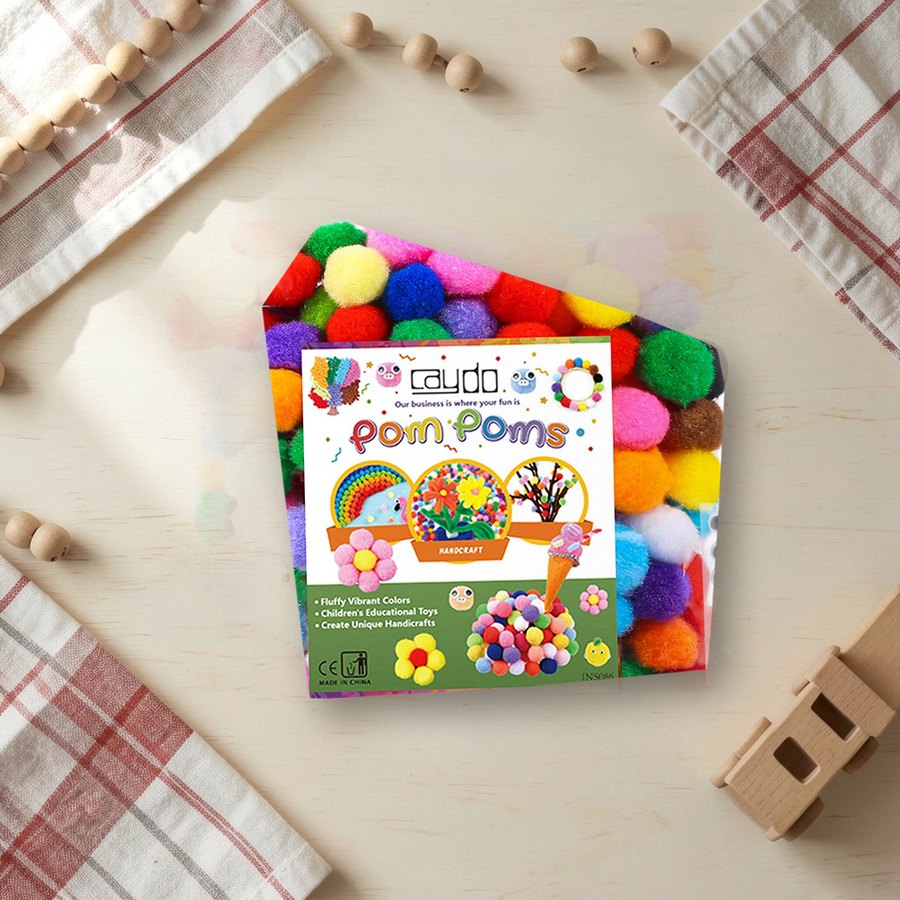 Craft pom poms with wiggle eyesView on Amazon
As an Amazon Associate, PrintableBloom earns from qualifying purchases.