Tracing Isn’t Working for My Preschooler: 7 Reasons Why (and Gentle Fixes)
You printed the tracing page, sat your child down with high hopes, and within thirty seconds they were scribbling right over the dotted lines, pressing so hard the crayon nearly tore the paper, or sliding off the chair announcing they were “all done.” If your chest tightened a little, I want you to take a breath. This is one of the most normal moments of early learning, and it almost never means something is wrong with your child.
I’ve watched hundreds of little ones meet a tracing worksheet for the first time, and I can tell you the scribbling, the wandering lines, and the giving up are all part of the story, not the end of it. Let’s walk through the seven most common reasons tracing isn’t clicking yet, and the gentle, low-pressure fixes that actually help.
First, this is normal – what tracing struggles usually mean
Tracing is genuinely hard. It asks a child to do several difficult things at once: hold a pencil, control the tiny muscles in their hand, follow a line with their eyes, and stop themselves from going where they naturally want to go. For a two- or three-year-old, that’s an enormous amount of coordination happening in one small task.
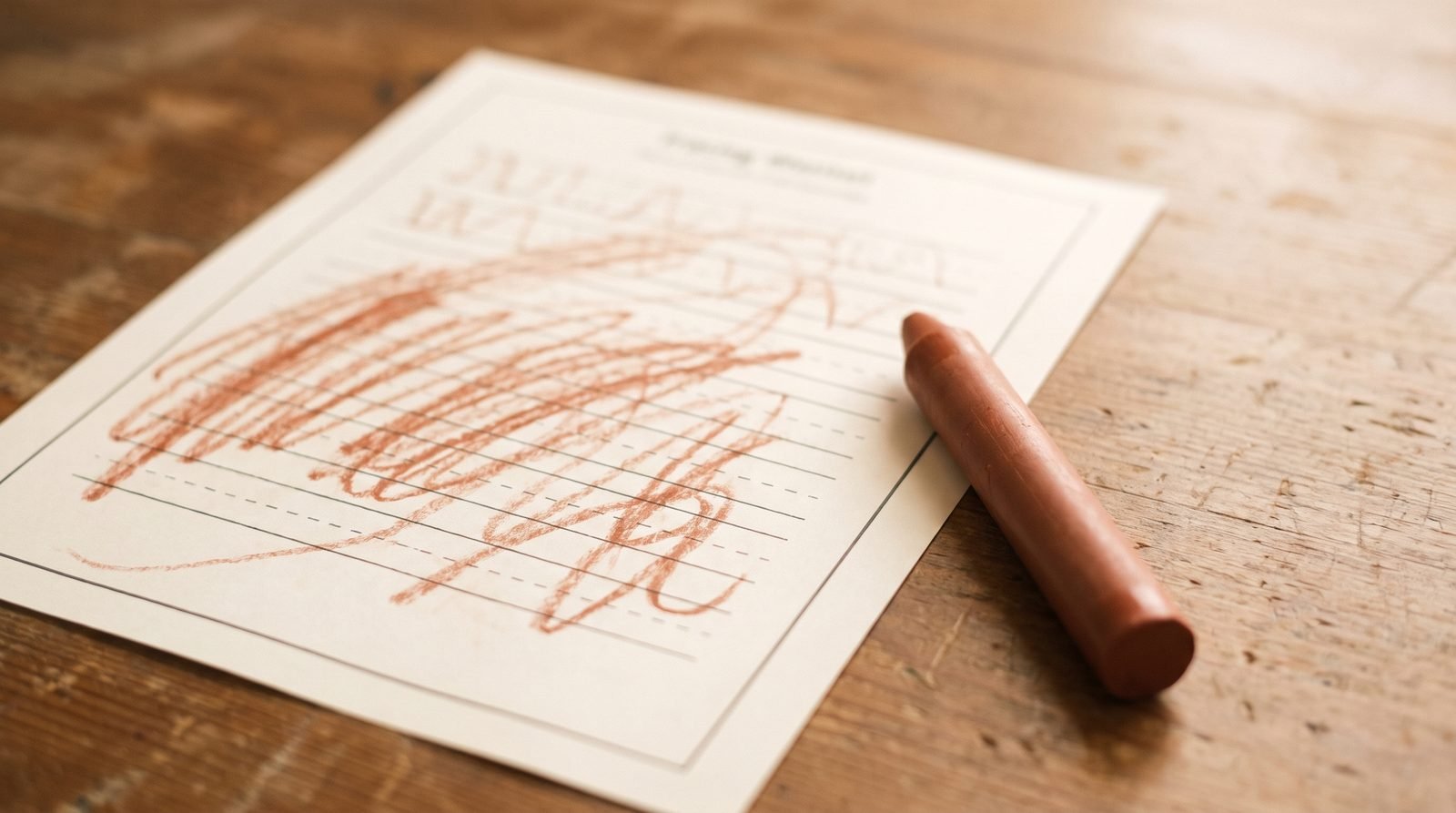
When a child scribbles over the lines instead of following them, they’re usually not being defiant or careless. More often, their hand simply can’t yet do what their eyes can see. The gap between “I can see the line” and “I can make my hand stay on it” is real, and it closes slowly, over months, sometimes over a year or more. A child who scribbles at three is very often tracing beautifully at five. So if you take nothing else from this article, take this: struggling with tracing right now tells you almost nothing about how your child will read or write later.
Reason 1: The worksheet is too hard for their stage
This is the number one cause I see, and it’s the easiest to fix. Many tracing worksheets floating around online were designed for four- and five-year-olds, but they end up in front of a two- or three-year-old who isn’t developmentally ready for tight, letter-shaped lines yet.
Here’s a rough guide to what’s realistic at each age:
- Ages 2-3: Big, bold straight lines and simple curves. Think a wide path from one side of the page to the other, or a fat wavy line. Staying “on” the line isn’t the goal yet, moving the crayon in roughly the right direction is.
- Ages 3-4: Simple shapes like circles, crosses, and zigzags. Some children start pre-writing strokes here, but expect wobble.
- Ages 4-5: Larger letters and numbers, usually with a clear start dot and arrows.
- Ages 5-7: Smaller, more controlled letters, and eventually writing without the guide lines at all.
If your child is scribbling, drop down a level or two. There’s no failure in it, only a better match. You may find easier toddler tracing pages with wide, forgiving lines are exactly the reset your child needs to feel capable again.
Reason 2: Hand strength isn’t there yet
Tracing runs on a foundation of hand and finger strength that we adults take completely for granted. If the small muscles in your child’s hand tire quickly, they’ll press too hard, lose control halfway through a line, or abandon the page because it genuinely feels like hard work, because it is.
The good news is that you build this strength through play, not through more worksheets. In fact, some of the best “tracing practice” doesn’t involve a pencil at all:
- Squishing, rolling, and pinching playdough
- Tearing paper into little pieces for a collage
- Using kitchen tongs to move pom-poms or cereal from bowl to bowl
- Popping bubble wrap or peeling stickers
- Squeezing a spray bottle to water plants or “clean” the windows
These little activities strengthen exactly the muscles tracing depends on. If you’d like a gentle, structured way to build that strength, these fine motor skills worksheets pair nicely with hands-on play and take the pressure off the pencil.
Reason 3: The pencil or grip is fighting them
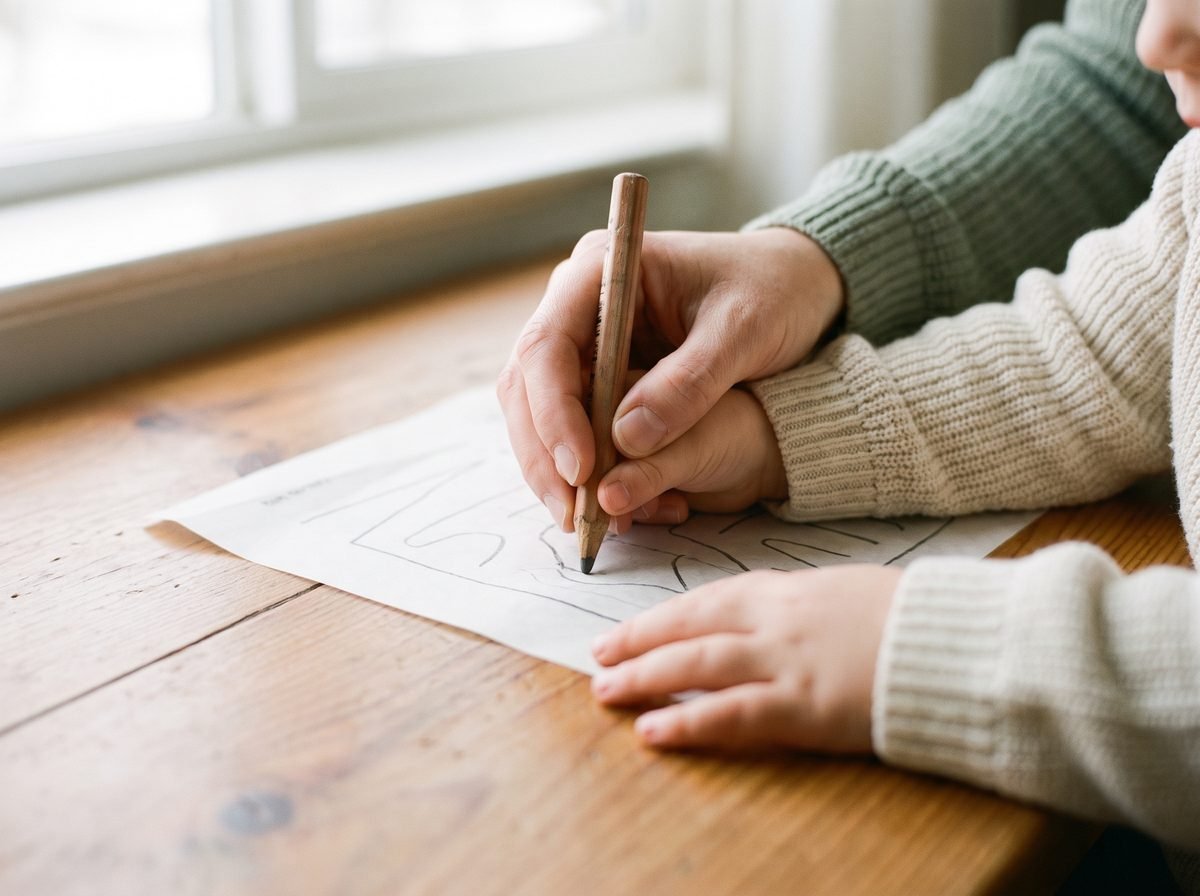
Sometimes the child is ready, but the tool isn’t cooperating. A long, thin, standard pencil is genuinely hard for a small hand to control. If your child grips with their whole fist, holds it too high or too low, or the pencil keeps rolling away from where they aim, the tool is part of the struggle.
A few adjustments that often help right away:
- Go chunky and short. Broken crayons, golf pencils, and chunky triangular crayons are easier for little hands to manage. A short crayon actually encourages a better grip because there’s nowhere to grab except near the tip.
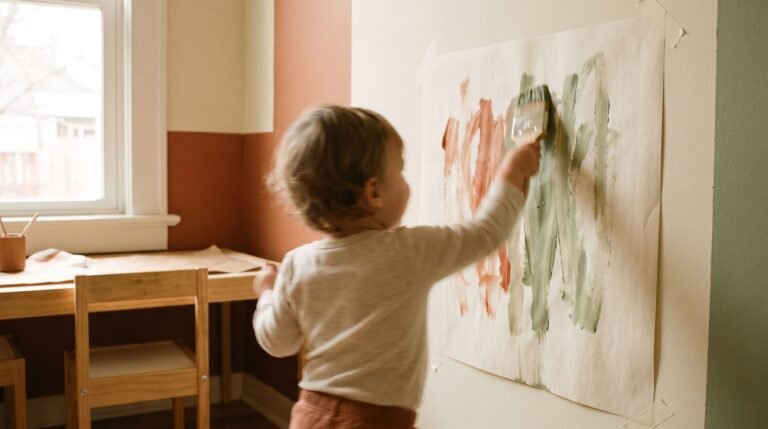
- Try vertical surfaces. Tape the paper to a wall, a window, or an easel. Drawing upward naturally positions the wrist and fingers in a stronger writing posture.
- Don’t force a “correct” grip too early. A relaxed grip develops with time and strength, not from constant correcting.
If grip is clearly the sticking point, it’s worth a slow, gentle look at how to improve pencil grip in a way that doesn’t turn every session into a correction battle.
Reason 4: Sessions are too long
We often expect far more sustained focus than a young child can offer. A preschooler’s attention for a demanding fine-motor task is short, genuinely short. A realistic tracing session for most children looks like this:
- Ages 2-3: 2-3 minutes, sometimes less
- Ages 3-4: 3-5 minutes
- Ages 4-5: 5-10 minutes
- Ages 5-7: 10-15 minutes, building slowly
If your child gives up after one line, they may not be quitting, they may simply have reached the end of what their brain and hand can sustain in that sitting. One or two lines done happily beats a whole page done in tears. Stop while it still feels good, even if that means stopping “early.” Ending on a small win is what makes a child willing to come back tomorrow.
Reason 5-7: Pressure, boredom, and the wrong time of day
The last three reasons are quieter, but they undo more tracing sessions than anything on a worksheet.
Reason 5: Pressure. Children feel our expectations even when we say nothing. Hovering, correcting every stroke, or a tight “no, stay on the line” can turn a fun activity into a test they’re afraid of failing. Try narrating warmly instead of correcting: “You went all the way across, look at that!” Praise the effort and the direction, not the neatness. If tracing has already become a battleground in your home, it may help to step further back first, my thoughts on what to do if your child hates worksheets can reset the whole dynamic before you try again.
Reason 6: Boredom. A grey dotted line is not very exciting. Make it a story or a game. The pencil is a car driving down a road, a bee flying to a flower, a train going to the station. “Can you drive the car all the way home without falling off the road?” is a very different invitation than “trace this line.” Let them choose the crayon color. Let them trace with a finger dipped in paint, or a toy car, before a pencil ever appears.
Reason 7: The wrong time of day. A tired, hungry, or overstimulated child cannot do careful hand work, and asking them to is a recipe for frustration for both of you. Fine-motor tasks land best when a child is fed, rested, and calm, often mid-morning or after a snack, not right before nap or at the end of a long day. If tracing keeps collapsing into meltdowns, look at the clock before you look at the worksheet.
How to step back to an easier level without it feeling like failure
Parents sometimes worry that going back to easier pages will feel like a demotion to their child. In my experience, children don’t see it that way at all, they just feel successful again, and success is the fuel that keeps them going.
Here’s how to step back gracefully:
- Change the framing, not the label. Don’t say “these are for little kids.” Just hand them the easier page as the natural next thing to do.
- Widen the target. Trace with a highlighter or your finger first, then let them follow your bright, wide line. A fat line is far more forgiving than a thin one.
- Celebrate the easy win. When they complete a simple line with a smile, that feeling of “I can do this” is worth more than a page of perfect letters done miserably.
- Build back up slowly. Once easy pages feel effortless and joyful, nudge the difficulty up one small notch at a time.
Stepping back isn’t going backward. It’s finding the exact spot where your child can succeed, and then growing from there.
When patience is the only fix (and that’s fine)
Sometimes you’ll do everything right, the perfect page, the chunky crayon, the short happy session, the mid-morning timing, and your child still isn’t quite ready. And that is completely okay.
Development doesn’t run on our schedule. Some children trace confidently at three; others aren’t truly ready until five or beyond, and both are perfectly normal. If your child simply needs more time, the kindest thing you can do is put the worksheets aside for a few weeks, keep the playdough and the pinching games going, and revisit tracing later without any fanfare. You’ll often be surprised how much easier it feels after a break, once a little more strength and maturity have quietly arrived.
Trust that the readiness will come. Pushing a child before their hand is ready rarely speeds anything up, it usually just teaches them that this activity feels bad. Waiting, and playing in the meantime, teaches the opposite.
So if tracing isn’t working right now, you haven’t done anything wrong, and neither has your child. Match the page to their stage, keep the sessions short and warm, protect them from pressure, and let time do its quiet work. The lines will come. Until they do, the most valuable thing you can offer isn’t a better worksheet, it’s a calm, patient parent who believes their child will get there. Because they will.
Tools for the Fixes Above
Several of the fixes come down to the tool in the hand: a shorter pencil, a grip, or a break from pencils to build strength with dough.
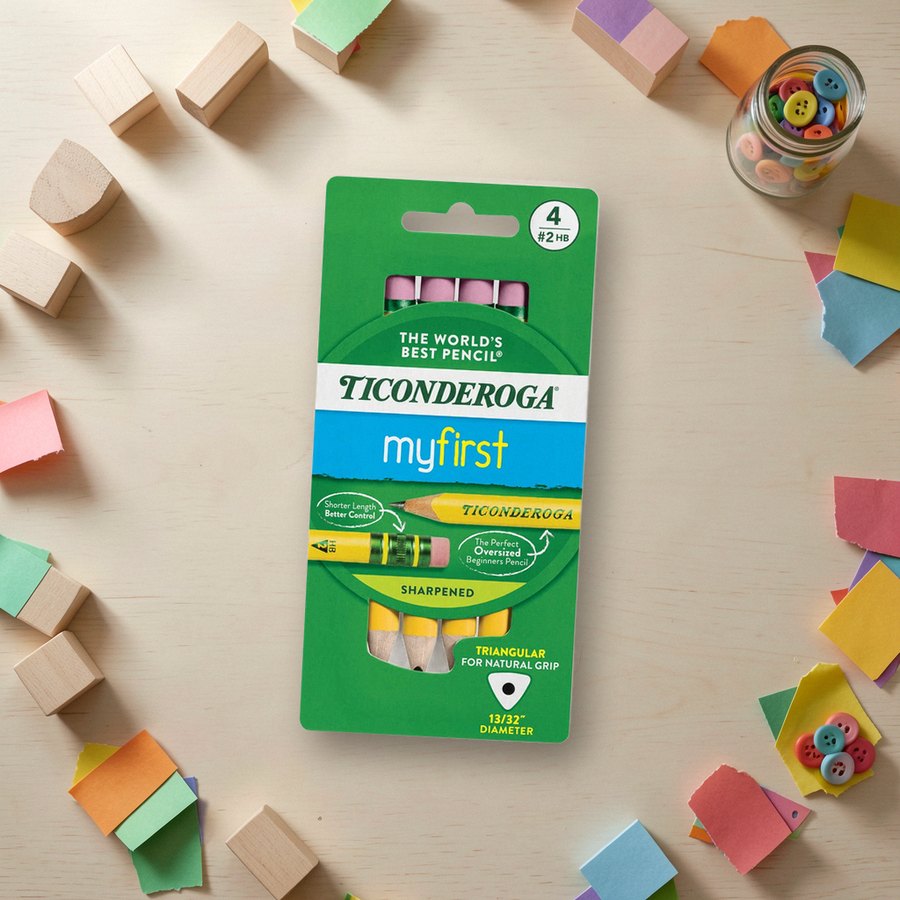 Short triangular beginner pencils (Ticonderoga)View on Amazon
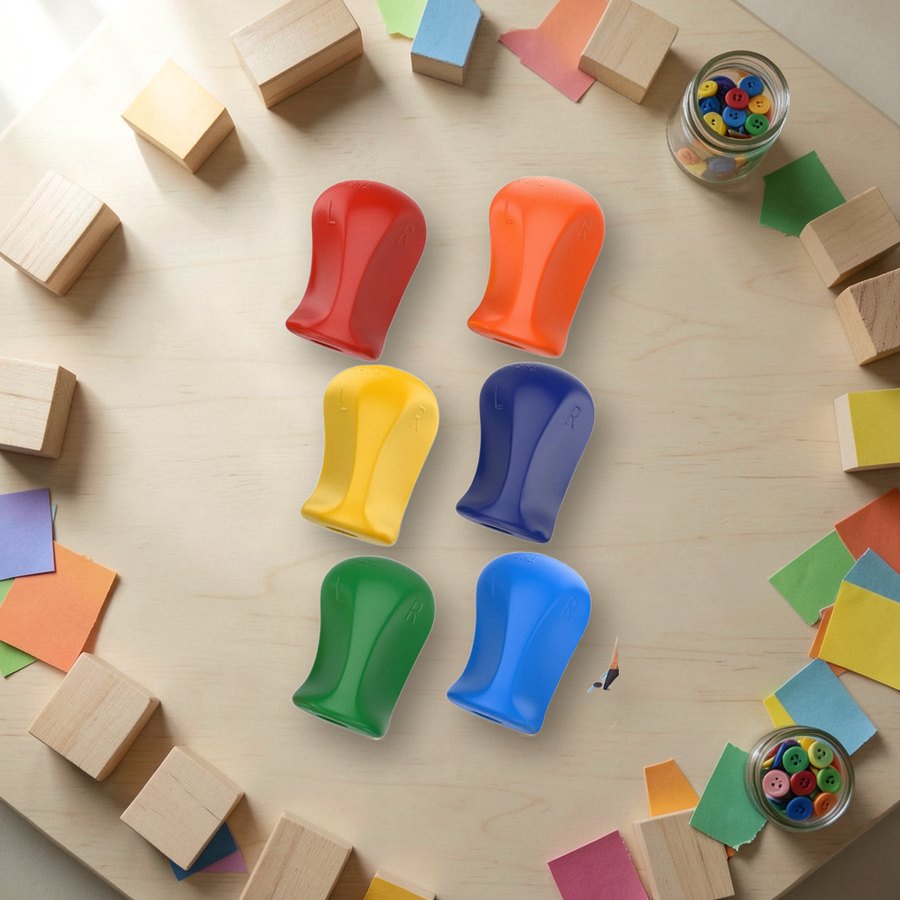 Pencil grips, 6 packView on Amazon
 Modeling dough, 6 colorsView on Amazon
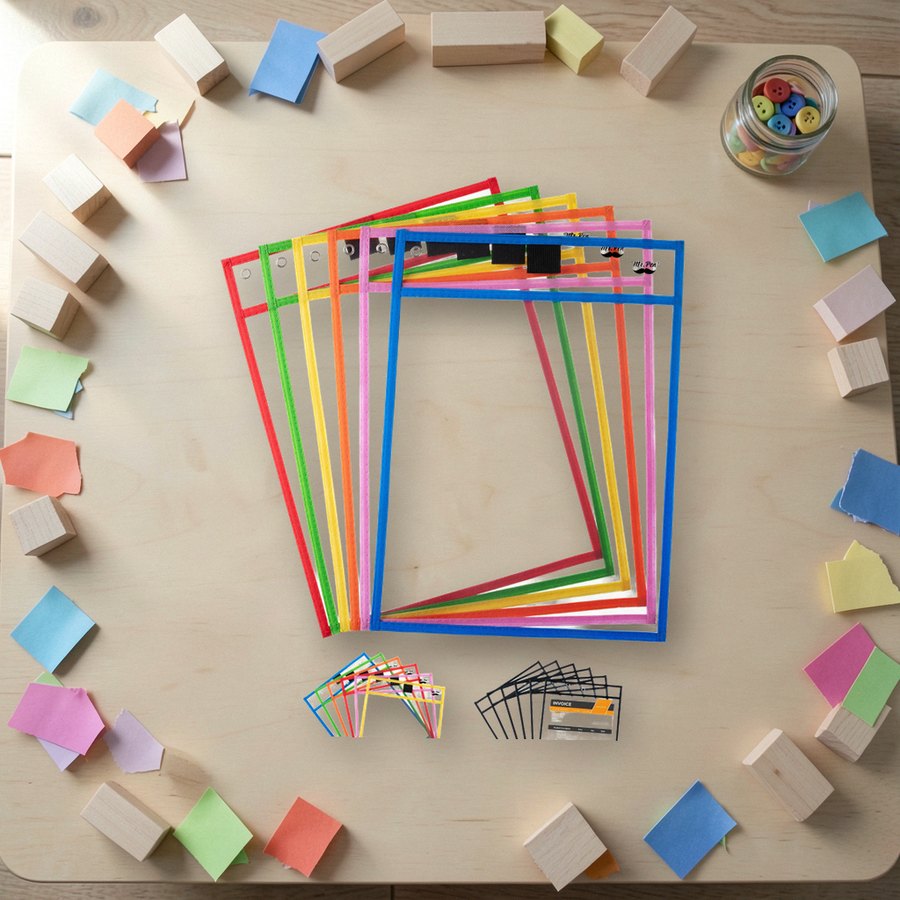 Reusable dry erase pocketsView on Amazon
As an Amazon Associate, PrintableBloom earns from qualifying purchases.