Prewriting Skills for Toddlers: What Comes Before Tracing (Ages 2-3)
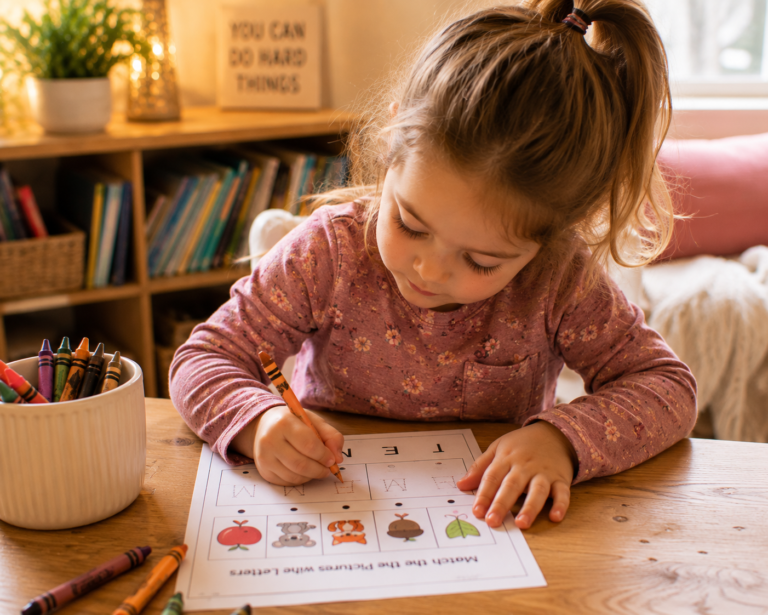
If you have handed your two-year-old a tracing worksheet and watched the crayon skid straight off the dotted line, you are not doing anything wrong, and neither is your child. At this age, the dots simply do not mean much yet. What your toddler needs first is a whole stage of playful, messy, big-armed practice that quietly builds everything a pencil will one day need.
I have spent years watching two- and three-year-olds discover what their hands can do, and the pattern is remarkably consistent: the children who scribble freely, paint on walls of paper, and squish plenty of dough are the ones who later pick up tracing with ease. Let’s walk through what comes before tracing, and why it matters so much.
Why 2-3 year olds usually aren’t ready for tracing yet
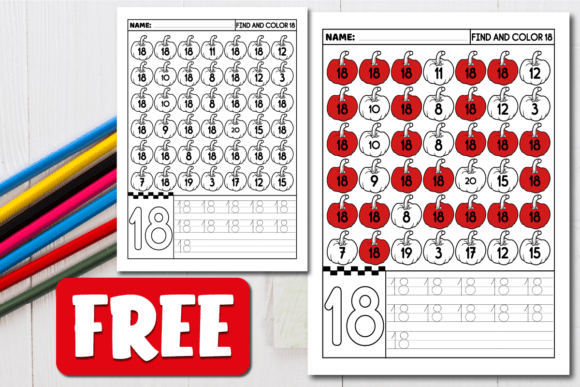
Tracing asks a surprising amount of a small child. To follow a dotted line, a toddler needs to hold a pencil with some control, guide it in a specific direction, stop it at the right place, and keep their eyes coordinating with their hand the entire time. That is a lot of separate skills stacked on top of each other.
At two and three, most children are still developing the shoulder, arm, and hand stability that makes any of that possible. Their movements naturally come from the whole arm rather than the fingers, which is exactly as it should be. Fine-finger control is one of the last pieces to arrive, not the first.
So when a tracing sheet ends up scribbled over or abandoned, it usually is not a sign of anything to worry about. It simply means the foundation is still being poured. Pushing worksheets too early tends to create frustration for everyone, and frustration is the fastest way to make a child decide that “writing things” are not fun. The good news is that the foundation-building stage is genuinely enjoyable, and it does not involve a single dotted line.
Scribbling is the real first step (let them)
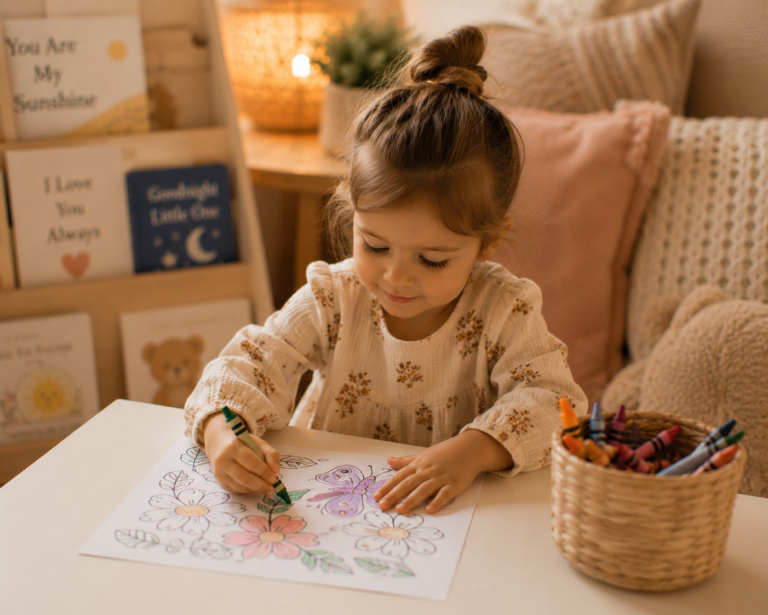
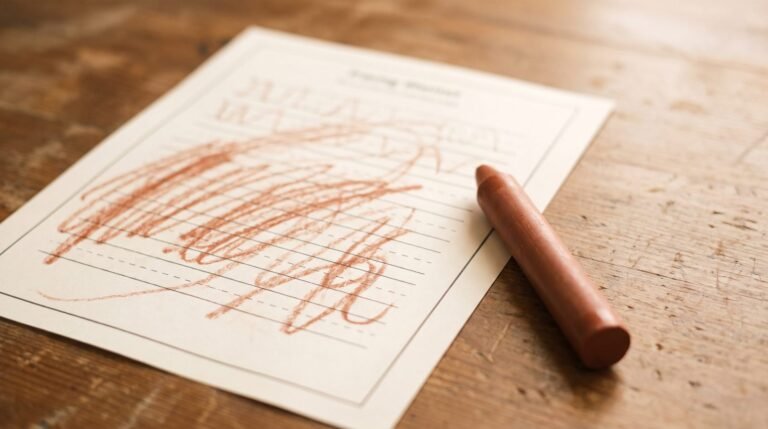
Scribbling can look like nothing, but it is one of the most important prewriting activities there is. When a toddler drags a crayon back and forth, they are learning that their movements make marks, that they can control where those marks go, and that a tool in their hand becomes an extension of their intention. That cause-and-effect discovery is the seed of all future writing.
You will often see scribbling evolve in stages. First come loose, random marks made with the whole arm. Then, somewhere around two and a half or three, many children start making more deliberate shapes: rounded swirls, back-and-forth lines, and eventually clusters that they will proudly name (“that’s a doggy”). None of this needs correcting. Your job is simply to offer the materials and the time.
A few ways to make scribbling richer:
- Go big. Tape a large sheet of paper to the floor or wall so there is room for sweeping arm movements.
- Offer chunky tools. Thick crayons, short broken crayon pieces, and washable markers are easier for a small fist to manage than thin pencils.
- Follow their lead. Sit nearby, scribble on your own paper, and narrate (“I’m making a long line”) without directing theirs.
Free scribbling is not a break from learning. It is the learning.
Big-motor prewriting: painting, chalk, and vertical strokes
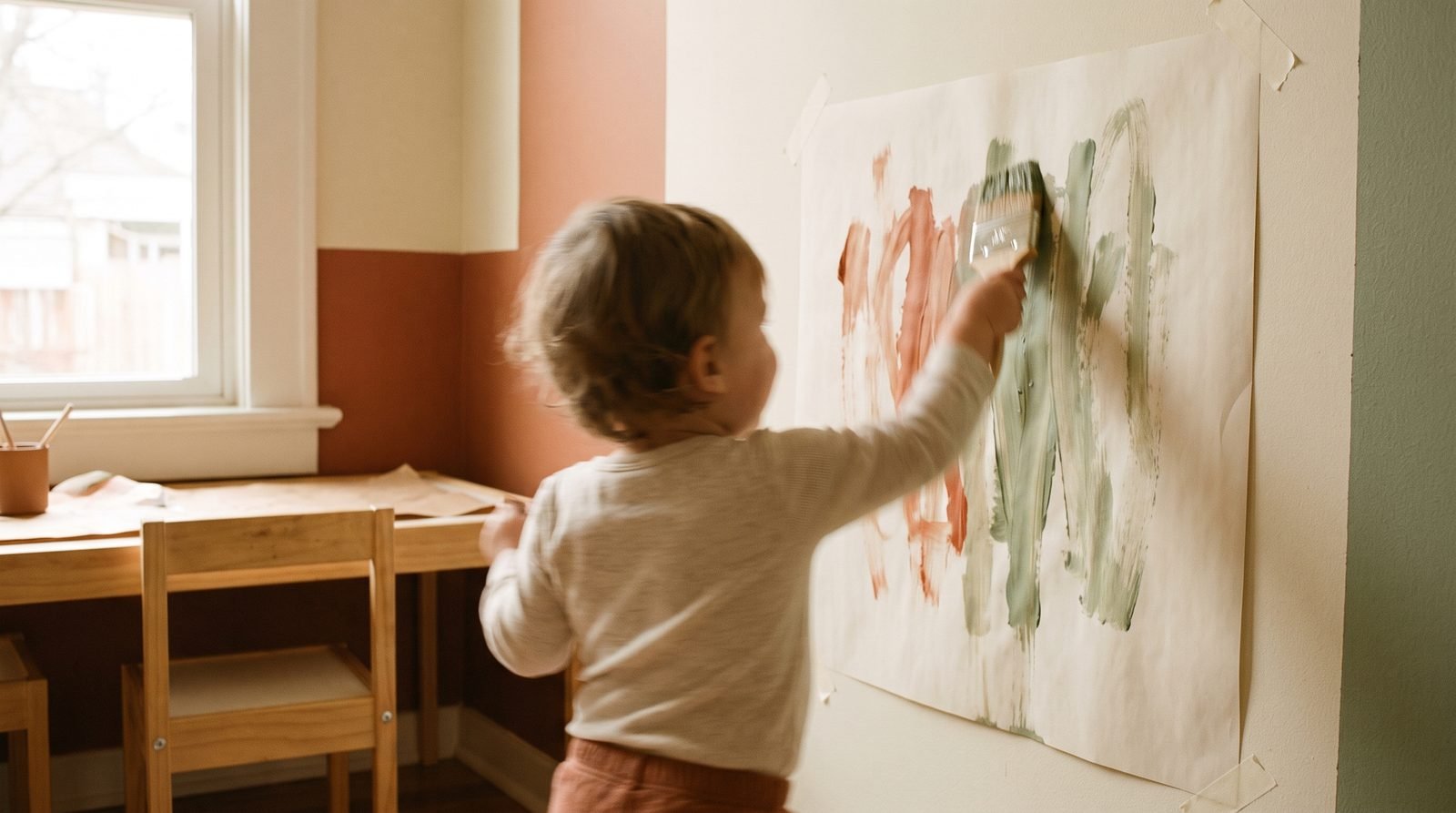
Before fingers can do delicate work, the shoulders and core need strength and stability. This is why so much valuable prewriting happens on a large, physical scale, often standing up. When a toddler paints on a vertical surface, their wrist naturally extends and their whole arm engages, which builds exactly the kind of control a pencil grip will later rely on.
Some of my favorite big-motor prewriting activities:
- Wall painting. Tape butcher paper to a wall or fence and let your toddler paint big vertical strokes with a chunky brush. Up-and-down and side-to-side motions are prewriting gold.
- Sidewalk chalk. The rough drag of chalk on pavement gives lovely feedback and encourages big, confident lines.
- Water painting. A bucket of water and a house-painting brush on a warm day lets children “paint” the fence or patio with zero mess.
- Easel time. Any vertical drawing surface encourages the wrist position that supports future handwriting.
These activities also happen to be some of the calmest, most absorbing parts of a toddler’s day. If you are building a rhythm of hands-on play at home, you may enjoy these screen-free activities for toddlers, many of which double as prewriting practice without ever looking like a lesson.
Building the hand strength tracing needs
A pencil is a small tool, and guiding it takes real hand strength, the kind that comes from squeezing, pinching, pulling, and pressing. Toddlers build this best through play with resistant, tactile materials rather than through anything that looks like handwriting.
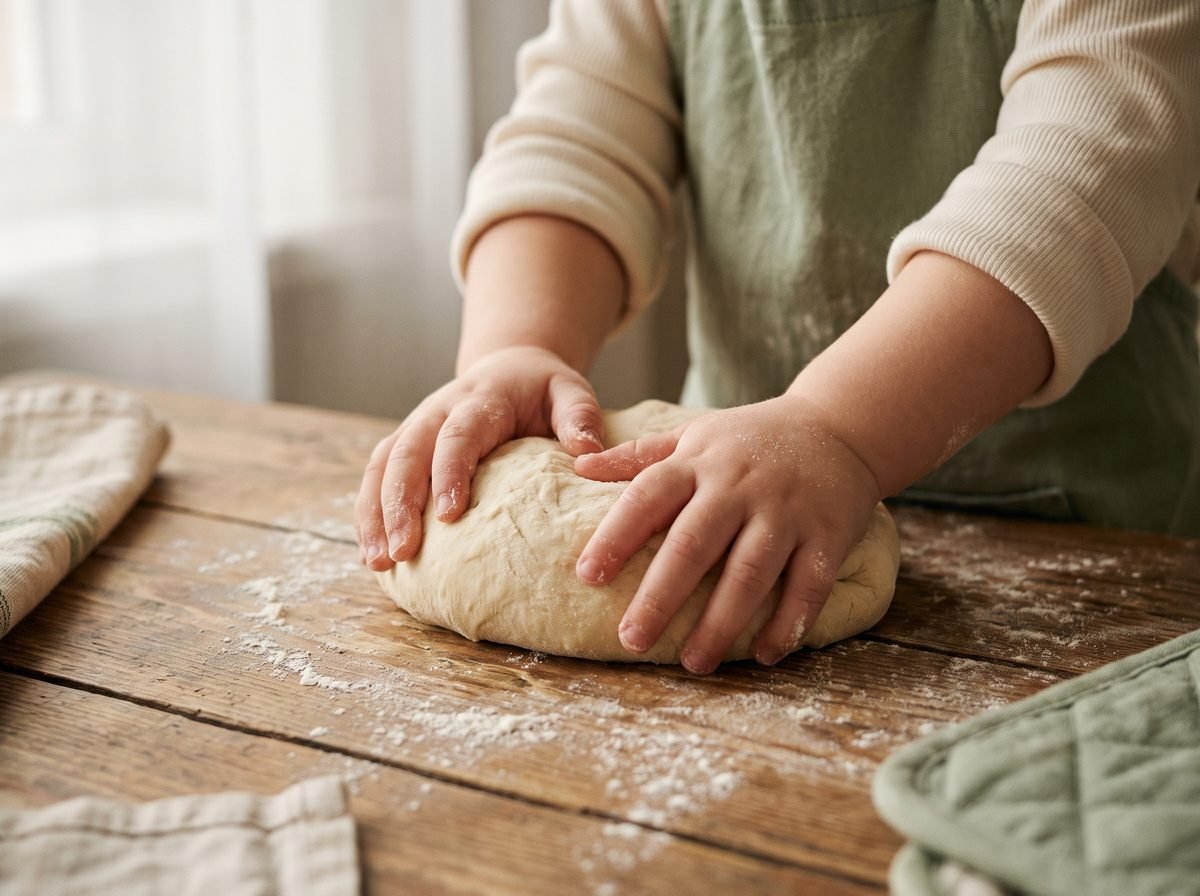
Playdough is the classic for good reason. Squeezing it, rolling it into snakes, pinching off pieces, and pressing objects into it all strengthen the exact muscles a pencil grip depends on. Beyond dough, try:
- Tearing and crumpling paper into little balls (great for the fingertips).
- Squeezing sponges and squirt bottles in the bath or at a water table.
- Using tongs or large tweezers to move pom-poms from one bowl to another.
- Peeling stickers and pressing them onto paper.
- Threading large beads onto a shoelace or pipe cleaner.
These small-muscle games are the quiet engine behind a comfortable pencil grip. For a fuller collection organized by skill, this guide to fine motor activities that build real skills pairs beautifully with the hand-strength work above and grows with your child.
First simple lines when they’re ready
Once a toddler is scribbling with intention and can make a mark roughly where they aim, you can gently introduce very simple line-making, still through play, not pressure. Think of this as the bridge between scribbling and tracing.
Good first “lines” to explore:
- Vertical lines (down strokes) tend to come first, so games like “draw the rain coming down” feel natural.
- Horizontal lines (“roll the ball across”) usually follow.
- Circles and curves come a bit later, often as scribbles tighten into loops.
You can turn this into a game with no worksheet at all: draw a simple road and invite your toddler to “drive” a toy car along it, or make a starting dot and an ending sticker and let them connect the two however they like. The point is direction and control, not neatness.
When your child genuinely enjoys these games and reaches for them, that is your signal to offer the gentlest introduction to paper-based practice. A few families find that very simple, uncluttered pages help here; these gentle first toddler tracing pages are designed for exactly this transition, with big, forgiving lines rather than tiny dotted letters.
How to tell a toddler is moving toward tracing
Every child moves at their own pace, and the range of “normal” here is wide. Rather than watching the calendar, watch for these playful signs that the foundations are coming together:
- Scribbles are becoming more controlled, with recognizable shapes starting to appear.
- Your toddler can hold a crayon in a fist or emerging finger grip and make marks on purpose.
- They can copy a simple stroke you make, like a single up-and-down line.
- They stay with a drawing or dough activity for a few minutes with real interest.
- They start naming their marks or drawing to represent something.
When several of these are true, your child is drifting naturally toward tracing, no rush required. Shapes are often a friendly next step because they are big, closed, and satisfying to trace; these playful toddler shapes worksheets can be a gentle place to begin once your toddler is reaching for paper.
Playful prewriting activities with no worksheets
If you take nothing else from this article, take this: the richest prewriting practice for a two- or three-year-old rarely involves a printout. A handful of favorites to keep in your back pocket:
- Finger trails in a tray of flour, sand, or shaving cream.
- Chalk roads on the driveway for toy cars to follow.
- Sticker paths where they place stickers along a line you draw.
- Ribbon dancing to make big circles and swoops in the air (yes, air-writing counts).
- Dough letters where you both roll snakes and bend them into shapes, no accuracy expected.
All of these build direction, control, and strength while feeling like nothing but fun, which is precisely the point at this age.
What not to rush
A gentle word on pacing. There is no developmental prize for tracing early, and plenty of quiet cost to pushing it before a child is ready. A few things worth not rushing:
- Correct pencil grip. A mature three-finger grip usually settles between ages four and six. Fists and fingertip grips at two and three are completely appropriate.
- Staying inside lines. Precision is a later skill. Celebrate the attempt, not the accuracy.
- Letters. Recognizing and forming letters comes well after these motor foundations. There is no need to layer them in yet.
- Long seated sessions. Toddlers learn in short, movement-rich bursts. Two absorbed minutes beats twenty frustrated ones.
If a worksheet ever brings tears, simply set it aside and return to the big, messy, playful work. Nothing is lost by waiting, and a great deal is protected: your child’s sense that making marks is joyful.
The stage you are in right now, scribbles, paint, dough, and chalk, is not a waiting room before “real” learning. It is the real learning. Offer the materials, follow your toddler’s lead, and trust that the tracing will come easily when the hands are ready. You are giving them the very best possible start, one joyful scribble at a time.
Prewriting Supplies for Toddlers
Before tracing, toddlers need big marks and busy fingers. All four of these are for exactly that.
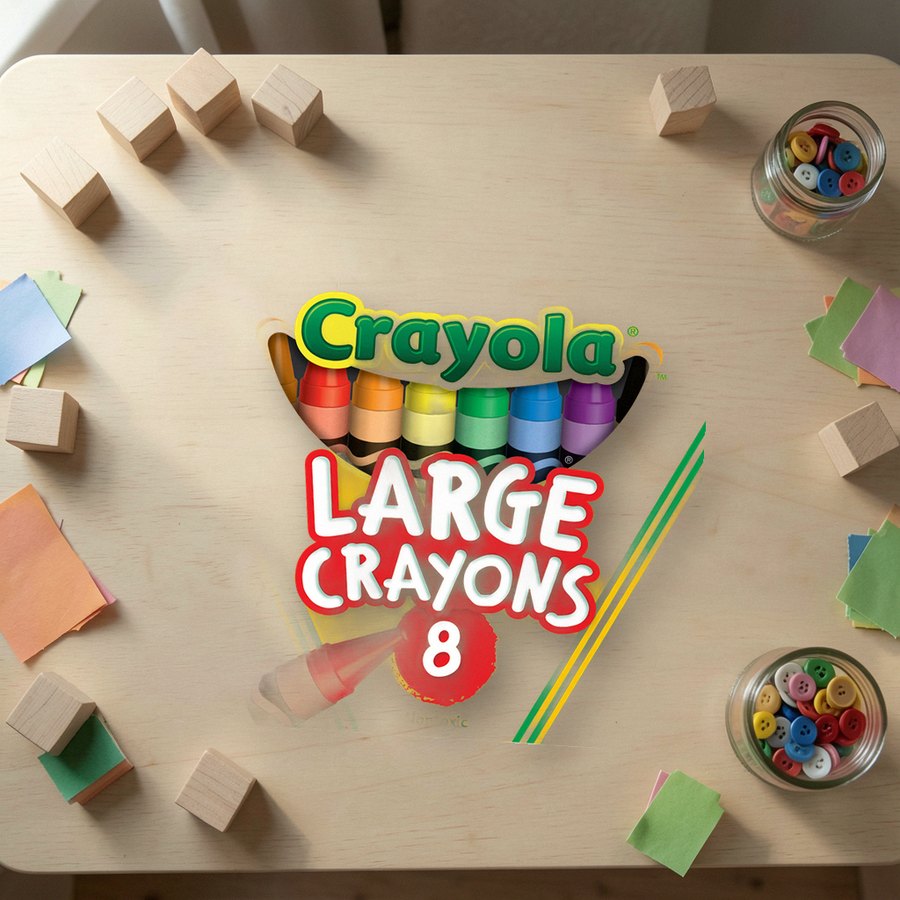 Large crayons for small hands (Crayola)View on Amazon
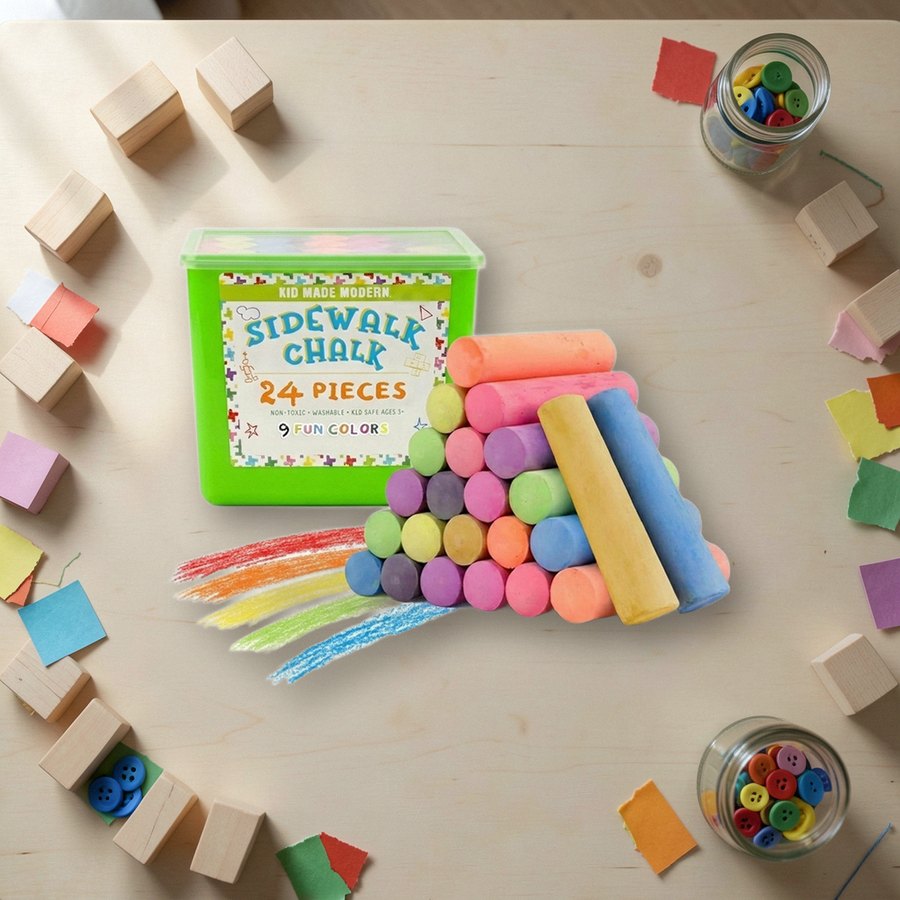 Sidewalk chalk bucketView on Amazon
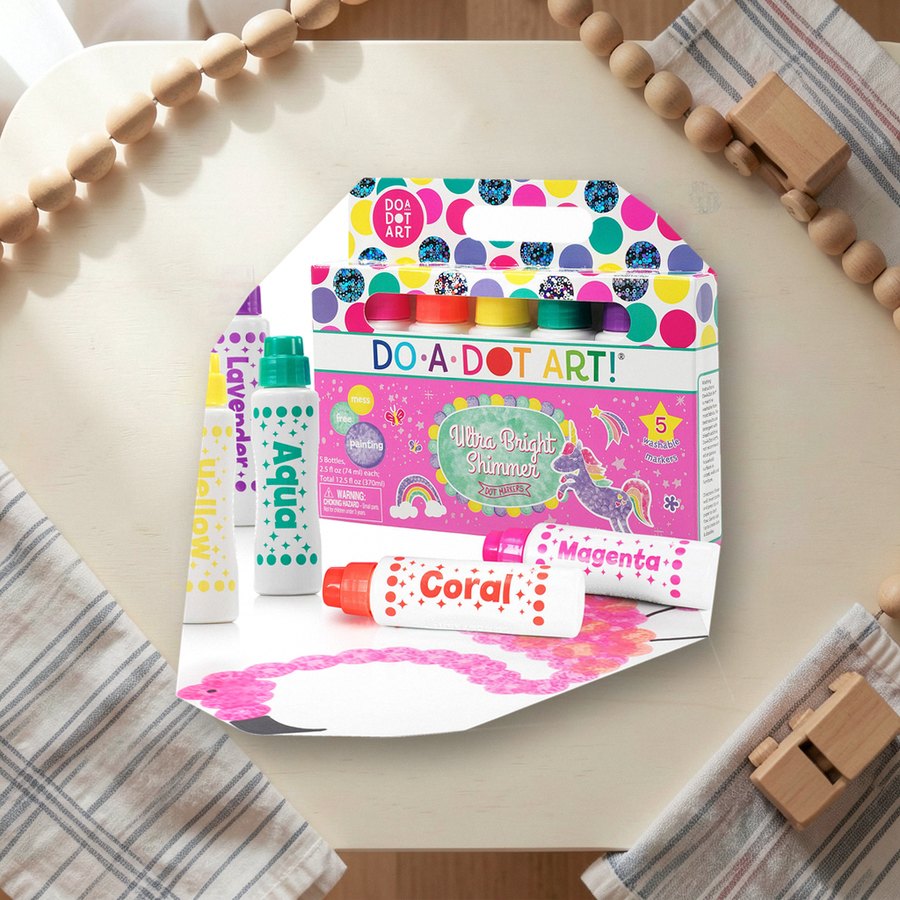 Washable dot markers (Do A Dot Art)View on Amazon
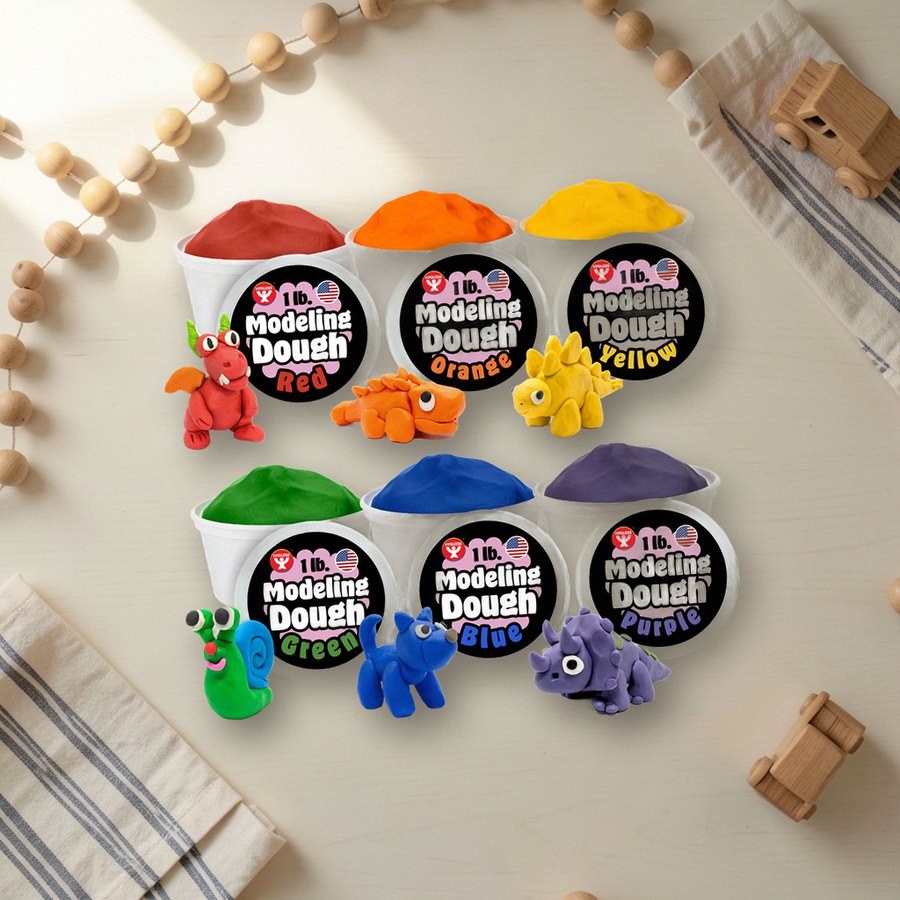 Modeling dough, 6 colorsView on Amazon
As an Amazon Associate, PrintableBloom earns from qualifying purchases.