Calm and Quiet Activities for Toddlers and Preschoolers
Some moments call for big, energetic play. And others — the hour before nap, the witching-hour stretch before dinner, a long quiet afternoon, the wind-down before bed — call for the opposite. Calm, quiet activities aren’t just about keeping things peaceful for your own sanity (though that matters too). They genuinely help young children regulate their emotions, build focus, and learn to enjoy their own company.
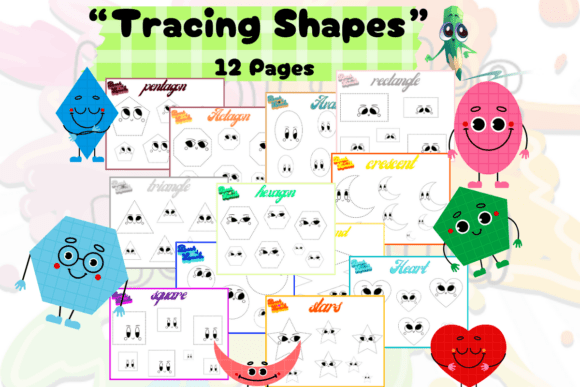
The best quiet activities for toddlers and preschoolers are soothing without being boring, engaging without being stimulating. They settle a busy little body and mind while still building real skills. If you’d like some gentle printables to keep on hand for these calmer stretches, our toddler coloring worksheets are perfectly suited to quiet time. But let’s explore a full range of calming ideas you can reach for whenever the moment calls for quiet.
Why Calm and Quiet Activities Matter for Young Children
In a world full of stimulation — bright screens, busy schedules, constant noise — young children genuinely benefit from regular quiet, low-stimulation time. Child development experts note that calm activities help children practice self-regulation: the ability to settle their own bodies and minds, manage transitions, and move from high energy to rest.
Quiet activities also build something valuable that loud, exciting activities can’t: the capacity for independent, focused, peaceful play. A child who can happily occupy themselves with a calm activity for a stretch is developing concentration, imagination, and emotional self-sufficiency. Research shows that these self-regulation and independent-play skills are important foundations for both emotional wellbeing and later academic focus.
When Calm Activities Are Most Useful
| Time of Day | Why Calm Helps | Best Activities |
|---|---|---|
| Before nap | Eases the transition into rest | Books, gentle coloring, sensory bottles |
| Pre-dinner “witching hour” | Settles overtired, cranky energy | Playdough, quiet sensory bins, sticker activities |
| Independent play time | Builds self-sufficiency and focus | Puzzles, fine motor activities, drawing |
| Wind-down before bed | Signals the body it’s time to rest | Books, calm coloring, soft sensory play |
| When overstimulated | Reduces sensory input, restores calm | Quiet bins, water play, simple sorting |
The Best Calm and Quiet Activities
Coloring and Gentle Drawing
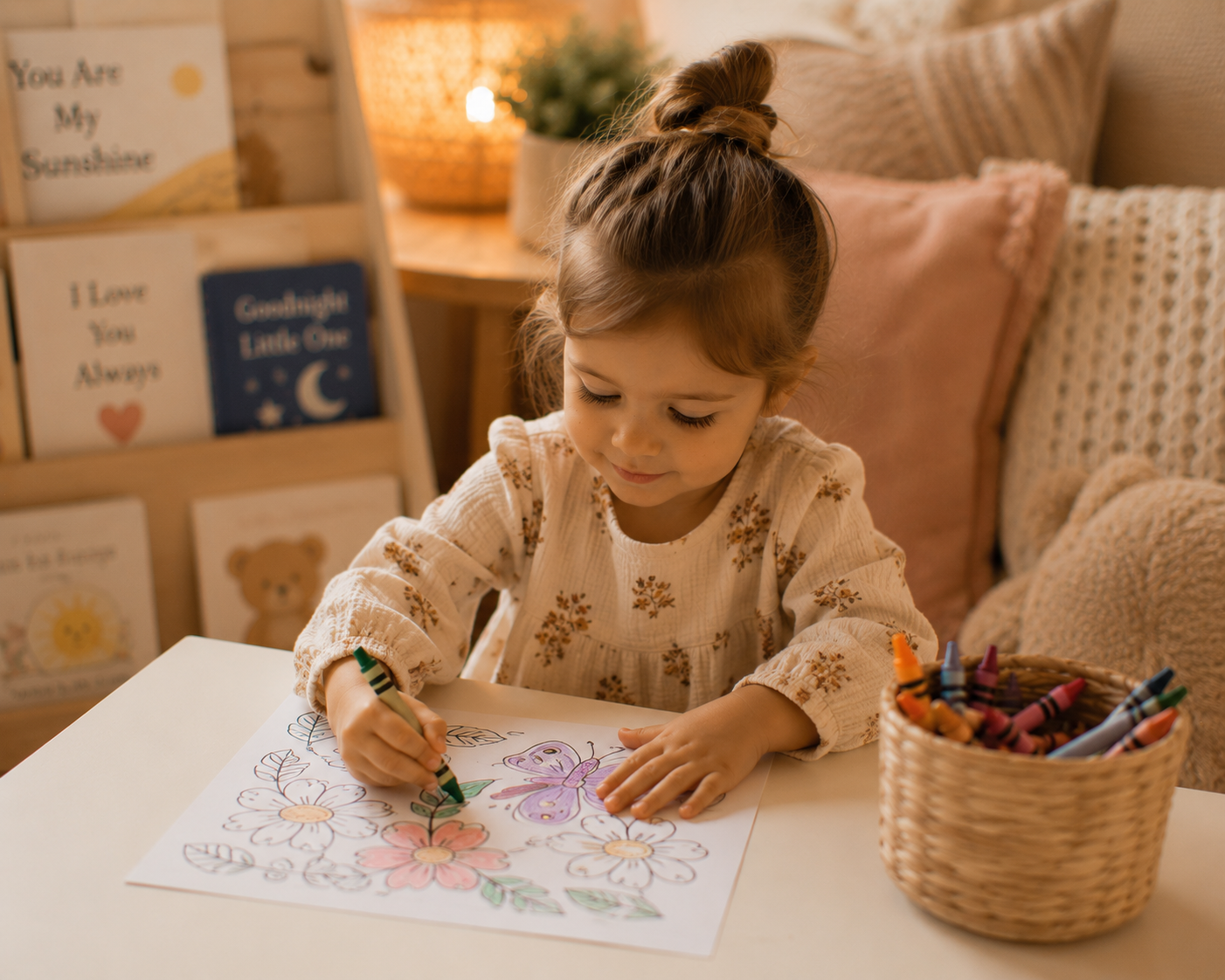
Coloring is the quintessential calm activity — repetitive, soothing, open-ended, and genuinely absorbing. The gentle, repetitive motion has an almost meditative quality for many children, and there’s no “wrong” way to do it, which removes any pressure. Simple coloring pages with large, clear areas are ideal for quiet time. Our coloring pages are designed for exactly these calm, focused moments.
Sensory Bottles and Calm-Down Jars
A clear bottle filled with water, glitter, and a bit of glue creates a mesmerizing, calming visual. Children shake it and watch the glitter slowly settle — a genuinely soothing experience that also teaches a subtle lesson about calming down (just like the glitter, big feelings settle if we wait). These are wonderful low-stimulation toddler activities for moments of overwhelm.
Quiet Sensory Bins
Not all sensory play is messy or loud. A bin of dry rice or beans with a few scoops, explored quietly, can absorb a child for a long, peaceful stretch. The repetitive scooping and pouring is naturally calming. For the quietest version, choose materials that don’t scatter loudly and add small objects to find and sort.
Playdough
Playdough deserves a place on every list — and it’s especially good for calm time. The squeezing, rolling, and shaping is rhythmic and soothing, building hand strength while settling busy energy. Many children find playdough genuinely calming, making it perfect for the pre-dinner crankies or a quiet afternoon.
Create a special “quiet time basket” filled only with calm, independent activities: a coloring book and crayons, a sensory bottle, a small puzzle, stickers, a couple of board books, and some quiet fine motor toys. Bring it out specifically during calm stretches — before nap, during the witching hour, when someone is overstimulated. Reserving these items for quiet time keeps them feeling special and signals to your child that it’s time to settle. Over time, the basket itself becomes a cue for calm.
Looking at Books
Quiet book time — whether you’re reading aloud or your child is looking at picture books independently — is one of the most calming and valuable activities there is. The quiet focus, the gentle pace, the cozy closeness of reading together all soothe a busy mind. Board books and picture books your child can explore alone build print awareness and independent focus too.
Sticker Activities
Peeling and placing stickers is surprisingly calming and builds fine motor skills at the same time. Sticker books, or simple printed pages where stickers go in certain spots, keep little hands busy in a quiet, focused way. The peel-and-place motion is repetitive and satisfying.
Simple Puzzles
Puzzles encourage quiet, sustained concentration. The focused problem-solving is calming for many children, and completing a puzzle provides a satisfying sense of accomplishment. Choose puzzles slightly within your child’s ability for quiet time — challenging enough to absorb, easy enough not to frustrate during a calm moment.
Calm Fine Motor Activities
These quiet activities build hand skills while keeping things peaceful:
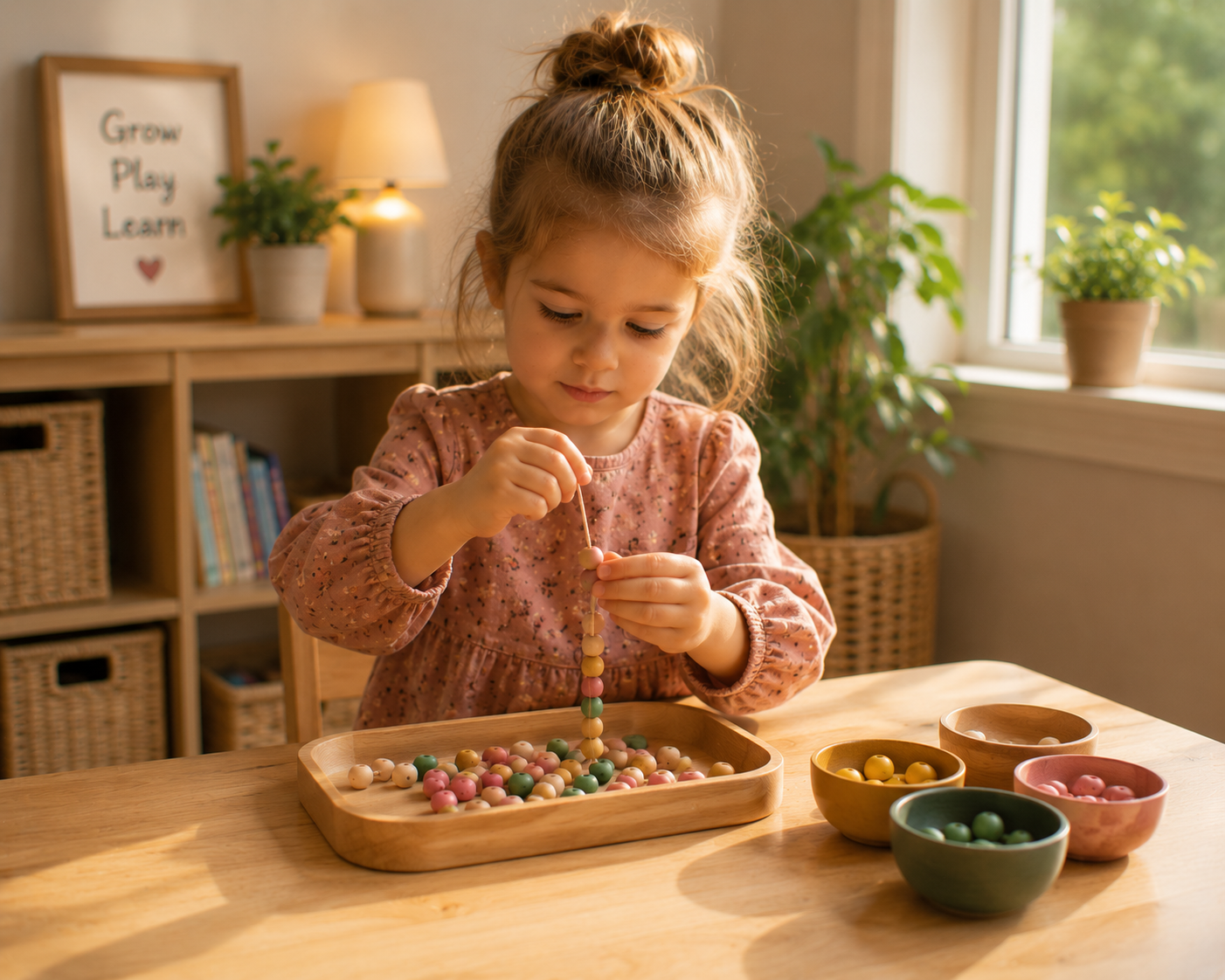
- Threading beads slowly onto a string — meditative and skill-building
- Quiet sorting — buttons or pompoms into containers by color
- Lacing cards — focused, quiet, builds the pincer grip
- Sticker placement — peeling and placing in a calm, focused way
- Gentle tracing — slow, calm pencil work on simple pages
Our fine motor skills worksheets include plenty of calm, focused options well-suited to quiet time.
Building Independent Quiet Play
One of the most valuable things calm activities build is the ability to play independently — a skill that benefits both child and parent enormously. Here’s how to nurture it gently:
- Start with you nearby. Sit close at first, gradually increasing the distance as your child grows comfortable playing alone.
- Keep it achievable. Independent play works best with activities your child can do without help, so they don’t get stuck and frustrated.
- Resist jumping in. Give your child space to engage on their own before offering help or direction. The space is where independence grows.
- Make it routine. Regular quiet independent play time, at the same point in the day, helps it become a comfortable habit rather than a battle.

A Calm and Quiet Activities Checklist
- Keep a special “quiet time basket” reserved for calm stretches
- Use coloring as a go-to reset for overstimulation
- Try sensory bottles or calm-down jars for big feelings
- Build a quiet-time routine for the pre-dinner witching hour
- Include calm fine motor activities (threading, sorting, lacing)
- Make quiet book time a daily habit
- Nurture independent play gradually, starting with you nearby
Making a card for someone’s birthday is another calm, focused activity that kids enjoy. For simple starting points, see these handmade birthday card ideas.
Quiet-Time Supplies Worth Having
A small box of quiet activities that only comes out at quiet time keeps its appeal for longer.
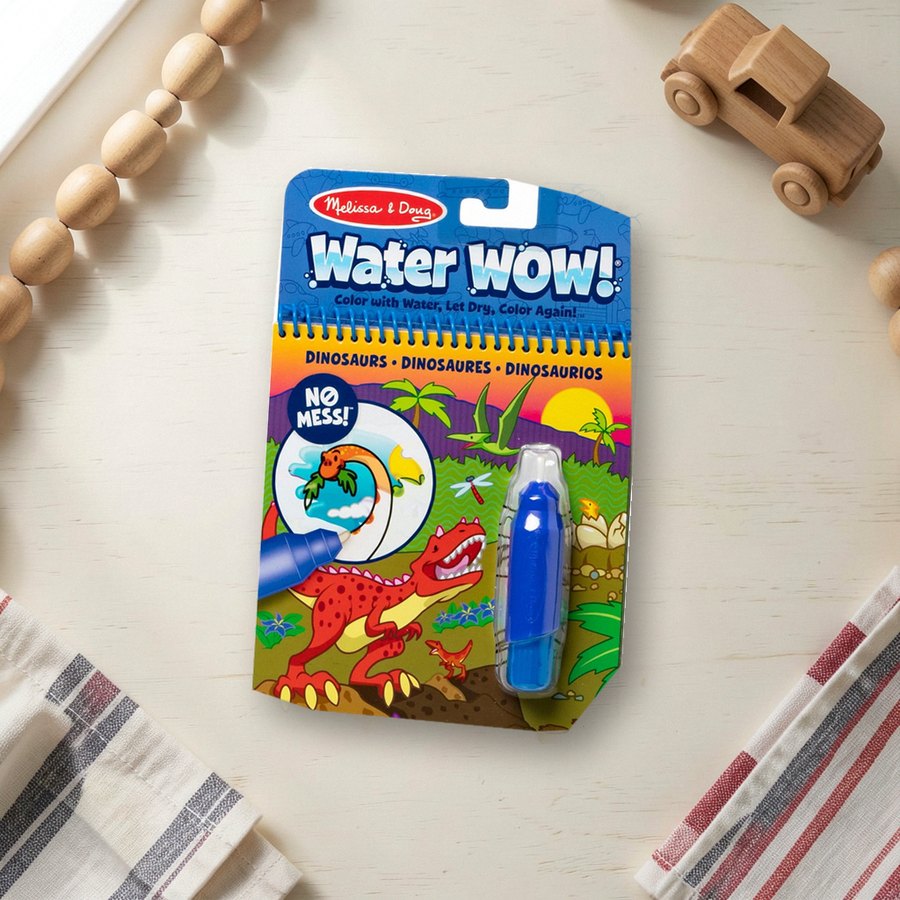 Reusable water-reveal coloring padView on Amazon
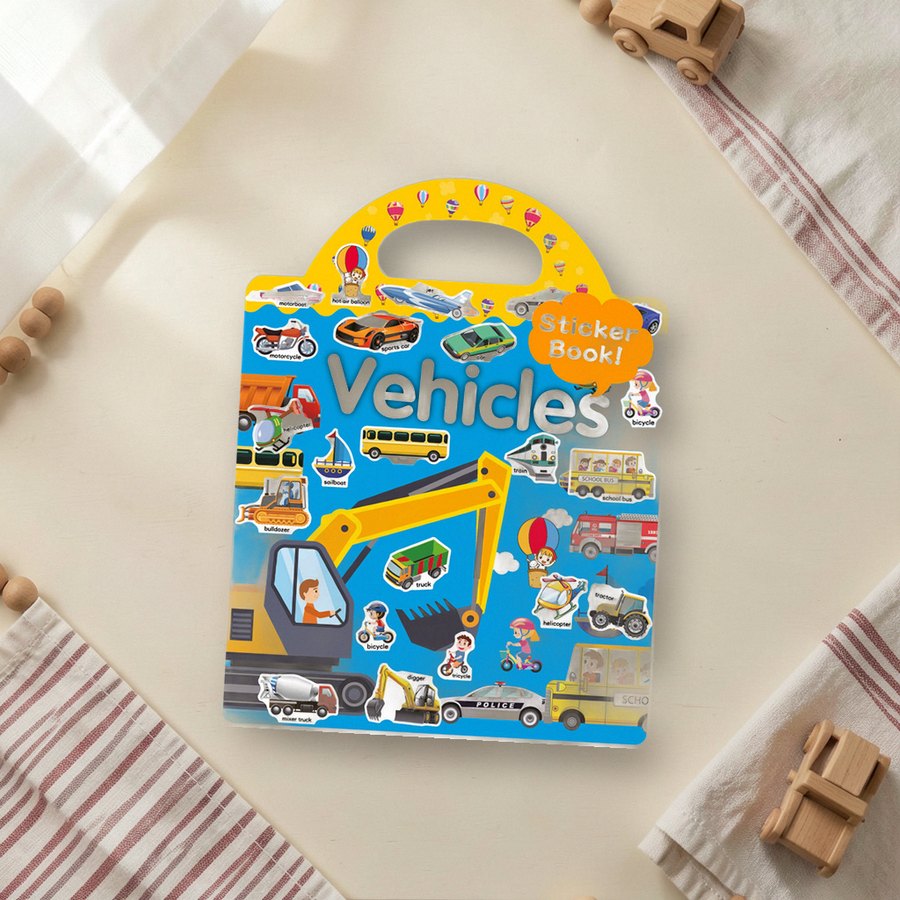 Reusable sticker bookView on Amazon
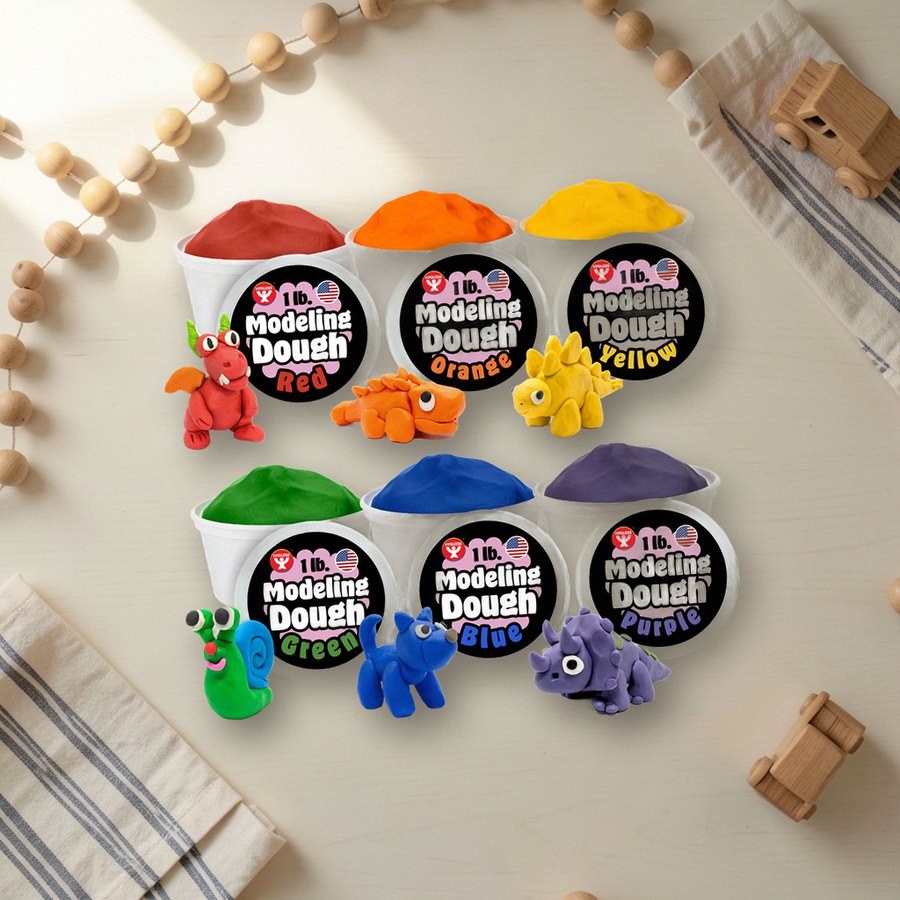 Modeling dough, 6 colorsView on Amazon
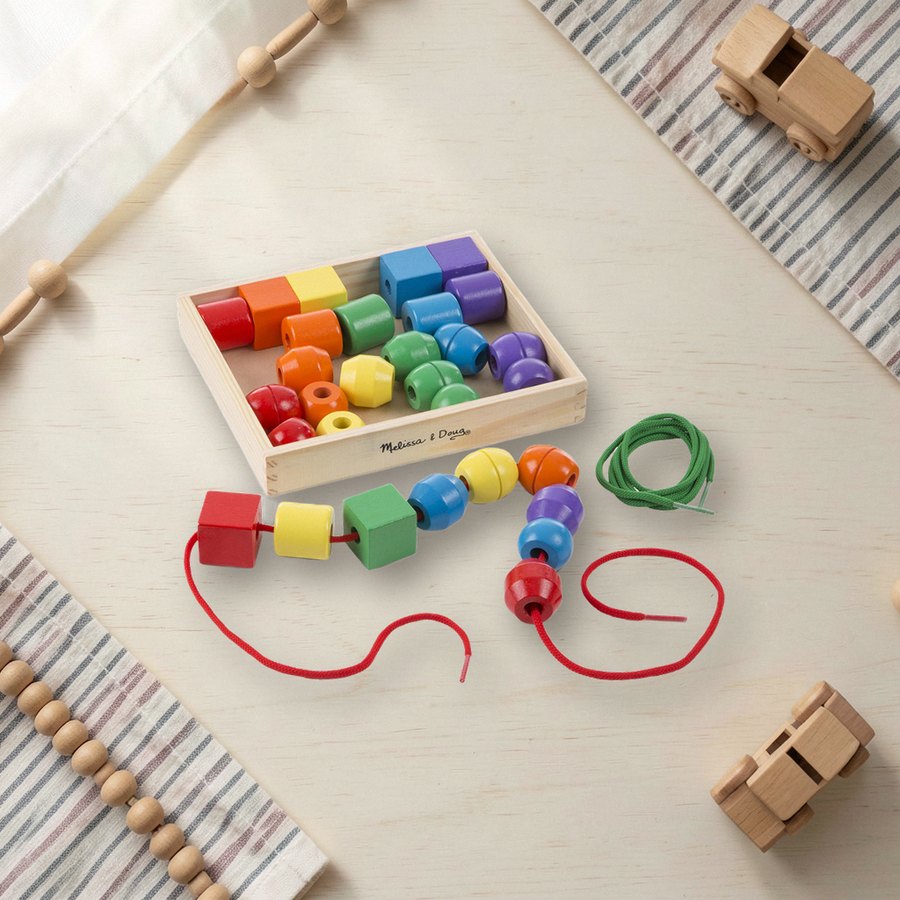 Wooden lacing beads (Melissa & Doug)View on Amazon
As an Amazon Associate, PrintableBloom earns from qualifying purchases.
Conclusion
Calm and quiet activities are easy to undervalue in a culture that celebrates busy, enriched, stimulating childhoods. But the ability to settle, to focus quietly, to enjoy one’s own company, to move gently from energy to rest — these are some of the most important skills a young child can develop. And they’re built in exactly these peaceful moments: the coloring page before nap, the playdough during the witching hour, the quiet half-hour of independent play while you sip your tea nearby.
These moments do double duty. They bring peace to your day — and they build real capacities in your child: self-regulation, focus, independence, and a deep, calm contentment that will serve them for life.
So the next time the energy in your home needs to come down a notch, reach for the quiet basket. Put out the crayons. Settle in nearby. And trust that these gentle, peaceful moments aren’t just getting you through the hard parts of the day — they’re quietly raising a calmer, more focused, more self-sufficient little person, one peaceful activity at a time.
Frequently Asked Questions
What are the best quiet activities for toddlers?
The best calm, quiet activities for toddlers include coloring with chunky crayons, playing with sensory bottles or calm-down jars, quiet sensory bins (dry rice or beans with scoops), playdough, looking at board books, sticker activities, and simple puzzles. These activities are soothing and low-stimulation while still building fine motor skills, focus, and self-regulation. The ideal quiet activity absorbs a child gently without overstimulating them.
How do calm activities help child development?
Calm activities build self-regulation — the ability to manage emotions, attention, and energy levels — which is a foundational skill for both emotional wellbeing and later academic focus. They also develop the capacity for independent, focused play, build concentration, and help children learn to transition from high energy to rest. Research links regular calm, low-stimulation play with stronger emotional resilience and better attention skills.
What can I do to calm an overstimulated toddler?
Reduce sensory input and offer a soothing, low-stimulation activity. Coloring, sensory bottles, quiet sensory bins, and playdough are particularly effective for bringing an overstimulated child back to calm. Dimming lights, lowering noise, and sitting quietly nearby also help. Many parents find that a consistent, reserved “calm-down” activity — always the same soothing option — works especially well because it becomes a familiar signal to settle.
How do I get my toddler to play quietly and independently?
Build independent quiet play gradually. Start with short stretches while you sit nearby, offering activities your child can do without help. Resist jumping in too quickly — give them space to engage on their own. Make quiet independent play a regular routine at the same point in the day so it becomes a comfortable habit. Over time, most children develop the ability to play happily alone for longer stretches, which benefits both them and you.
What are good quiet activities for the pre-dinner witching hour?
The cranky pre-dinner stretch responds well to calming, absorbing activities: playdough, sticker books, quiet sensory bins, coloring, and simple puzzles all work well. Setting up a “quiet time basket” that comes out at the same time each evening creates a soothing routine. Having your child play near you while you cook — settled with a calm activity — often dramatically reduces the meltdowns that define this difficult hour for many families.
Are quiet activities better than active play for toddlers?
Neither is better — children need both. Active play builds gross motor skills and releases energy, while calm, quiet activities build self-regulation, focus, and independent play skills. A healthy daily rhythm includes both: energetic play for burning energy and calm activities for settling, transitioning, and winding down. The key is offering calm activities at the right moments — before nap, during the witching hour, at bedtime, and when a child is overstimulated.
Related reading
- Fun Screen-Free Activities for Toddlers That Actually Work
- Daily Preschool Learning Routine for Busy Moms
- Best Rainy Day Learning Activities for Kids
- Simple Fine Motor Activities for Preschoolers That Build Real Skills